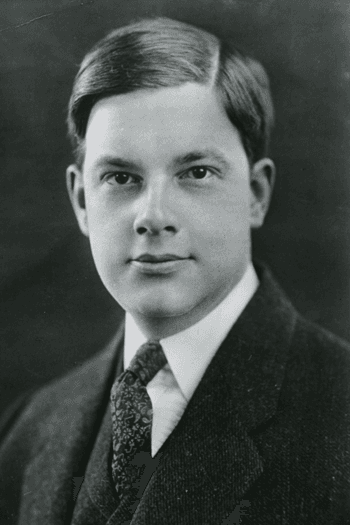
Joyce Kilmer
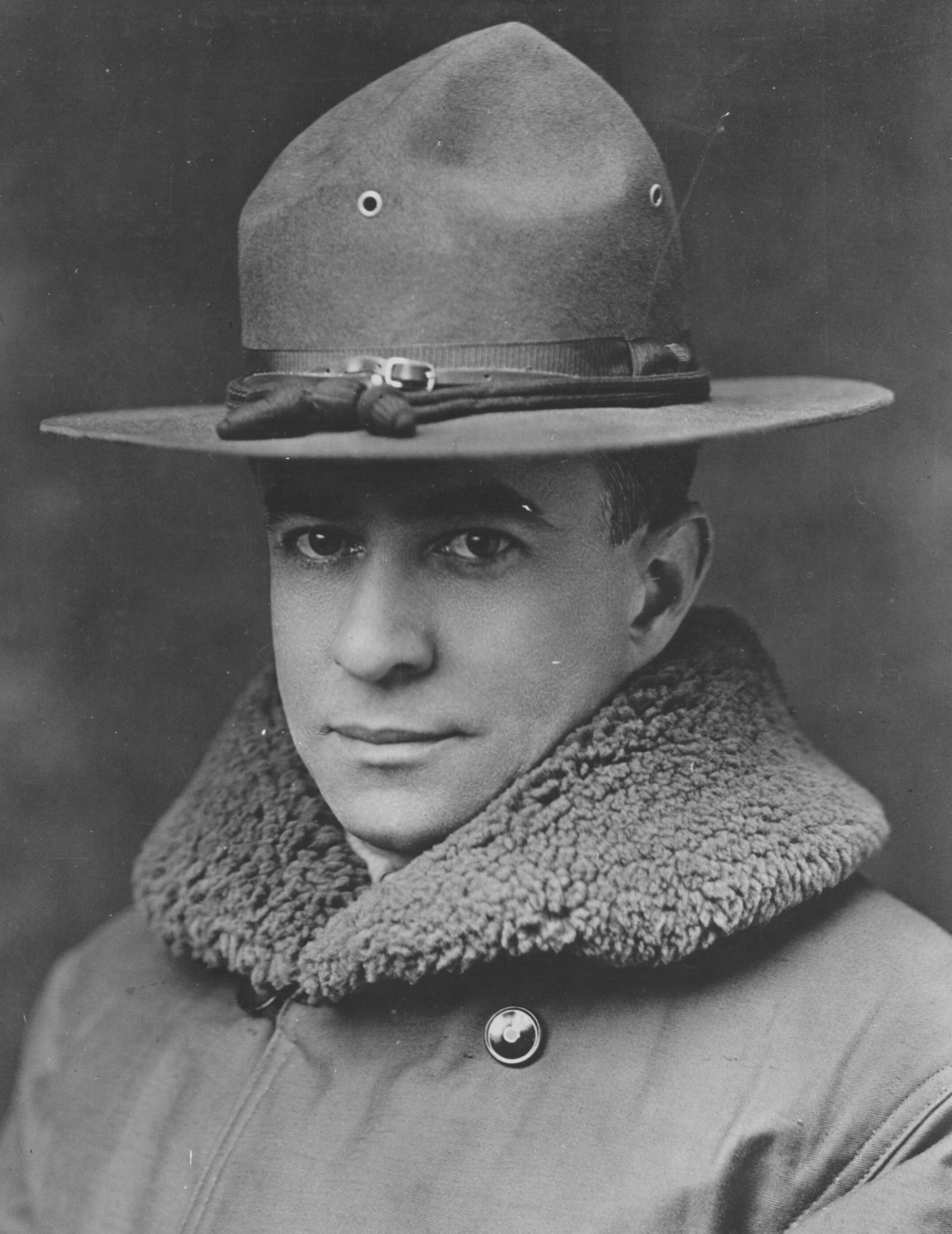
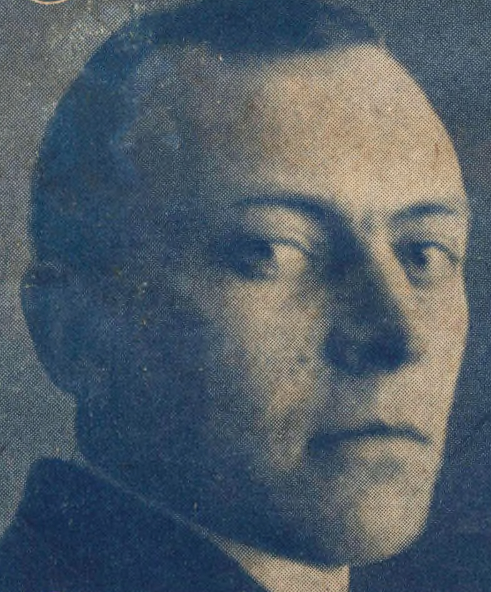
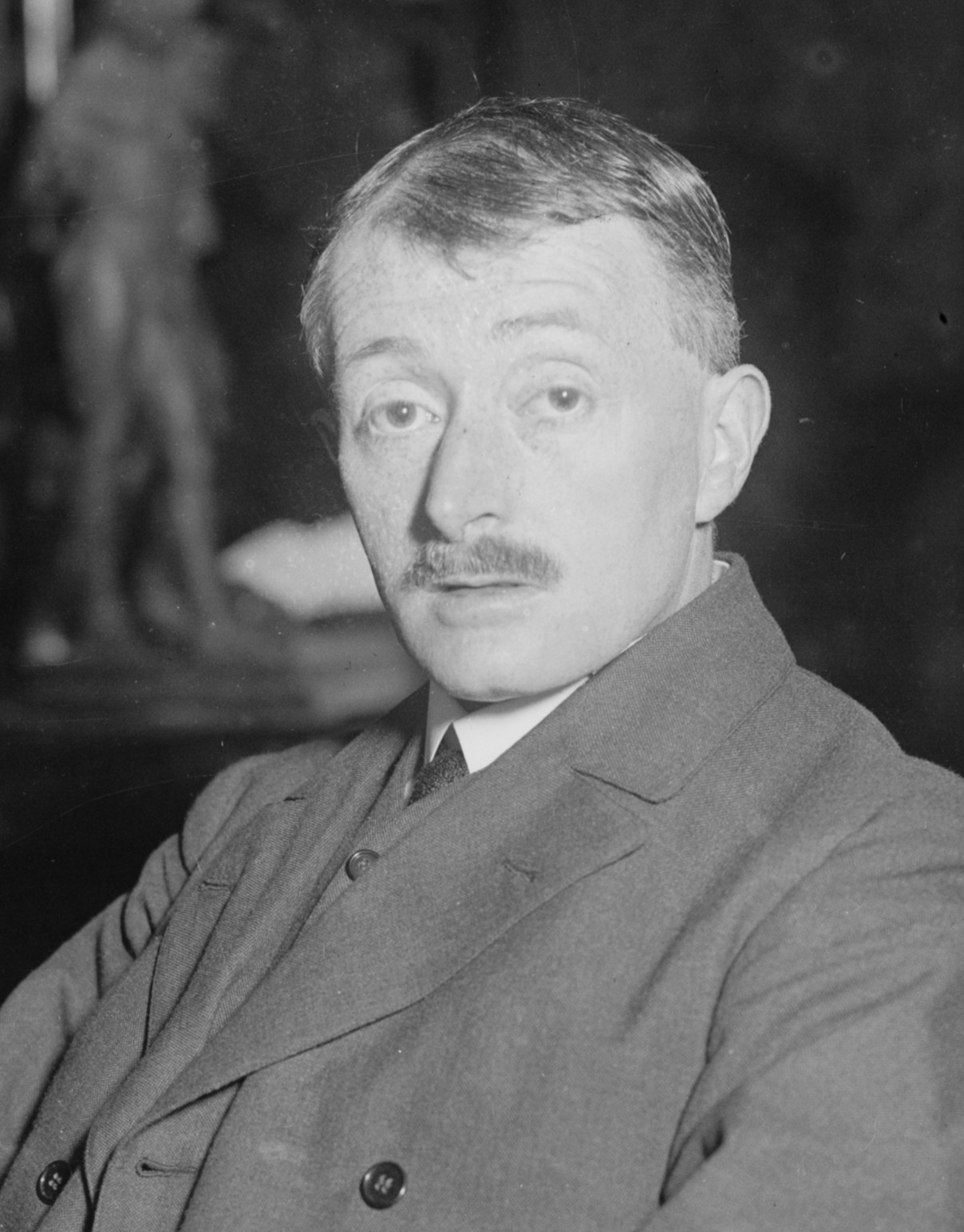
Alfred Joyce Kilmer was an American poet and writer best known for his beloved poem "Trees," published in 1914 as part of his collection Trees and Other Poems. Kilmer's poetry often celebrated the beauty of nature and reflected his deep Catholic faith, positioning him as a prominent literary figure of his time. He was a prolific writer, contributing not only poetry but also journalism, literary criticism, and lectures, earning recognition as the leading American Catholic poet of his generation. Critics frequently compared him to notable British writers such as G. K. Chesterton and Hilaire Belloc, highlighting his influence in literary circles. Kilmer's life was tragically cut short when he enlisted in the New York National Guard and was deployed to France during World War I. He served with the 69th Infantry Regiment, known as the "Fighting 69th," and was killed by a sniper's bullet during the Second Battle of the Marne in 1918 at the age of 31. Despite the simplicity and sentimentality often criticized in his work, Kilmer's poetry, particularly "Trees," endures in anthologies, showcasing his ability to capture the essence of nature and spirituality. His legacy, while overshadowed by contemporaries, remains significant in the context of early 20th-century American poetry, with his works continuing to resonate with readers seeking beauty in the ordinary.
Famous Quotes
View all 3 quotes“I think that I shall never see A poem lovely as a tree.”
“I think that I shall never see A poem lovely as a tree. A tree whose hungry mouth is pressed Against the earth's sweet flowing breast; A tree that looks at God all day And lifts her leafy arms to pray; A tree that may in summer wear A nest of robins in her hair; Upon whose bosom snow has lain; Who intimately lives with rain. Poems are made by fools like me, But only God can make a tree.”
“The fairy poet takes a sheet Of moonbeam, silver white; His ink is dew from daisies sweet, His pen a point of light.”
Books from the author
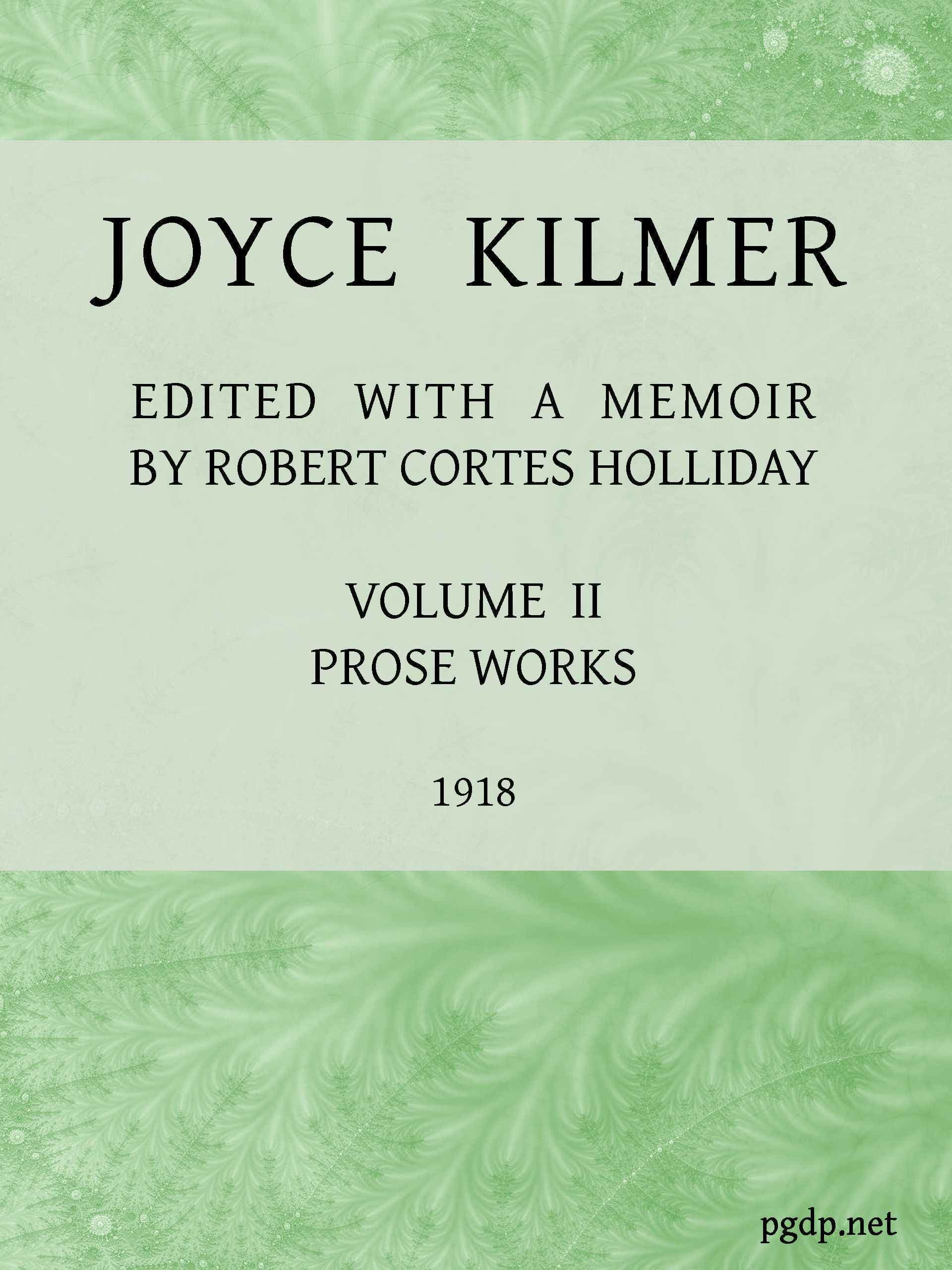

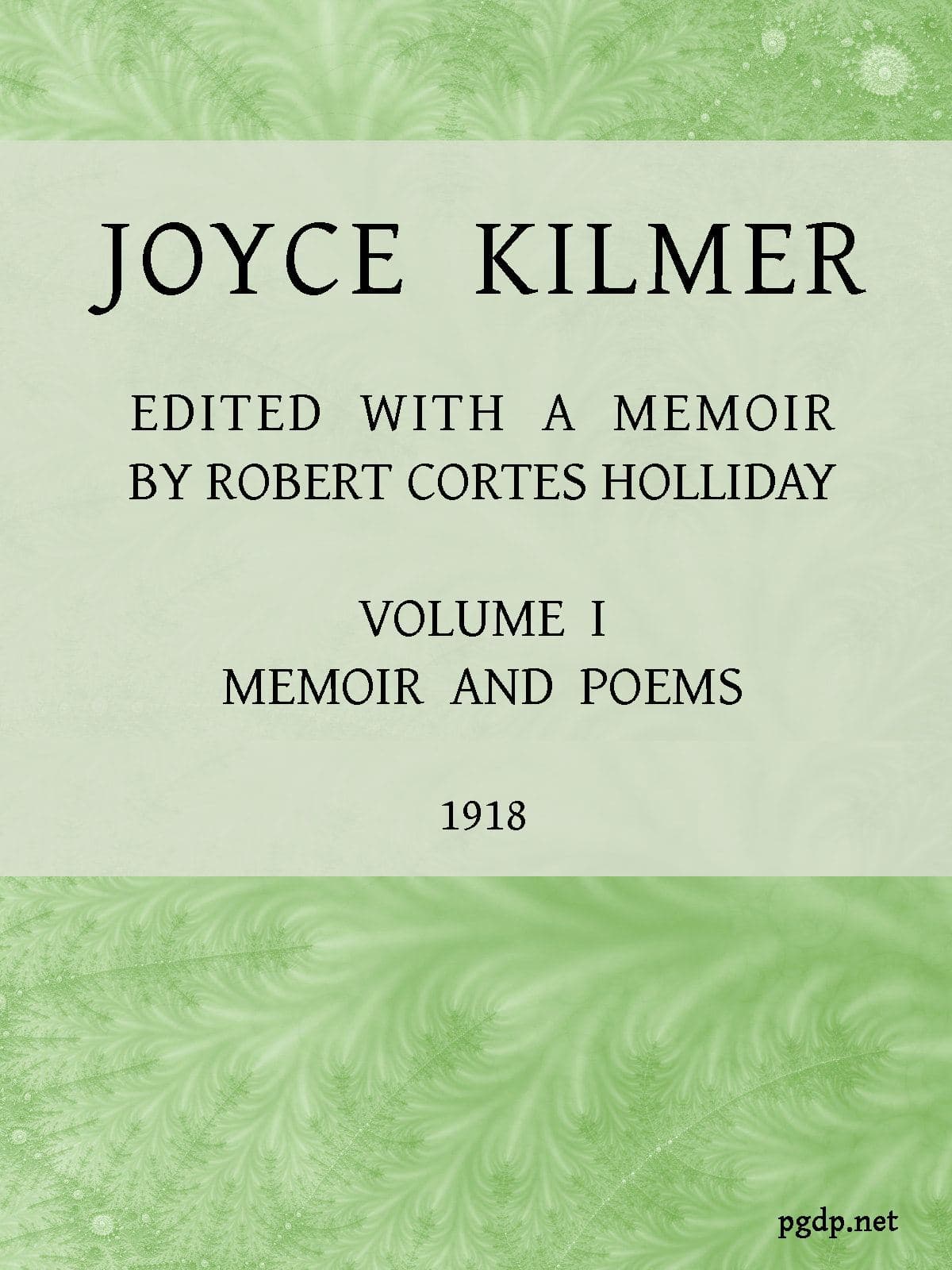

Link to this page
Add a free, dofollow link to Lex on your blog, forum, syllabus, or reading list.

<a href="https://lex-books.com/author/joyce-kilmer"><img src="https://lex-books.com/badges/read-on-lex.svg" alt="Joyce Kilmer on Lex" width="160" height="40"></a>[](https://lex-books.com/author/joyce-kilmer)[url=https://lex-books.com/author/joyce-kilmer][img]https://lex-books.com/badges/read-on-lex.svg[/img][/url]Joyce Kilmer on Lex: https://lex-books.com/author/joyce-kilmer