
Juhani Siljo
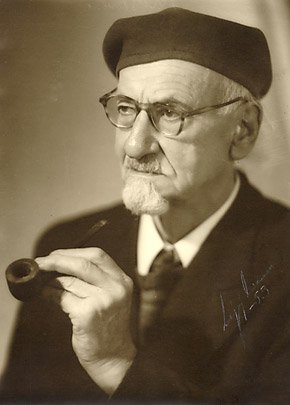
Juhani Siljo, born Johan Alarik Sjögren in Oulu, was a Finnish poet and translator whose brief life was marked by a passionate engagement with literature. After completing his secondary education in 1907, he enrolled at the University of Helsinki but chose to pursue writing over formal studies. Siljo's literary output included poetry and essays, and he was known for his translations of significant European authors such as Novalis, Friedrich Schiller, Goethe, Friedrich Nietzsche, and Charles Baudelaire. His work as an editor for Helsingin Sanomat and the periodical Valvoja further showcased his commitment to the literary culture of Finland during a transformative period. Despite his short life, which ended in 1918, Siljo's contributions to Finnish literature were notable for their depth and sensitivity. His poetry often reflected the complexities of human emotion and the philosophical inquiries of his time. Siljo's translations played a crucial role in introducing Finnish readers to the works of major European literary figures, thereby enriching the Finnish literary landscape. His legacy, though overshadowed by his early death, remains significant in the context of Finnish literature, as he bridged the gap between Finnish and European literary traditions.
Famous Quotes
View all 3 quotes“The nearer a man comes to the ideal he has created for himself in his feelings and imagination, the more painfully does he feel the imperfections in himself, even the smallest, which prevent him from attaining perfection.”
“My enemy, prosper in the world! You will fall to world fame and success more surely than if I set traps for you.”
“All matter is wonderful, because it can give birth to something even more wonderful.”
Books from the author






Link to this page
Add a free, dofollow link to Lex on your blog, forum, syllabus, or reading list.

<a href="https://lex-books.com/author/juhani-siljo"><img src="https://lex-books.com/badges/read-on-lex.svg" alt="Juhani Siljo on Lex" width="160" height="40"></a>[](https://lex-books.com/author/juhani-siljo)[url=https://lex-books.com/author/juhani-siljo][img]https://lex-books.com/badges/read-on-lex.svg[/img][/url]Juhani Siljo on Lex: https://lex-books.com/author/juhani-siljo