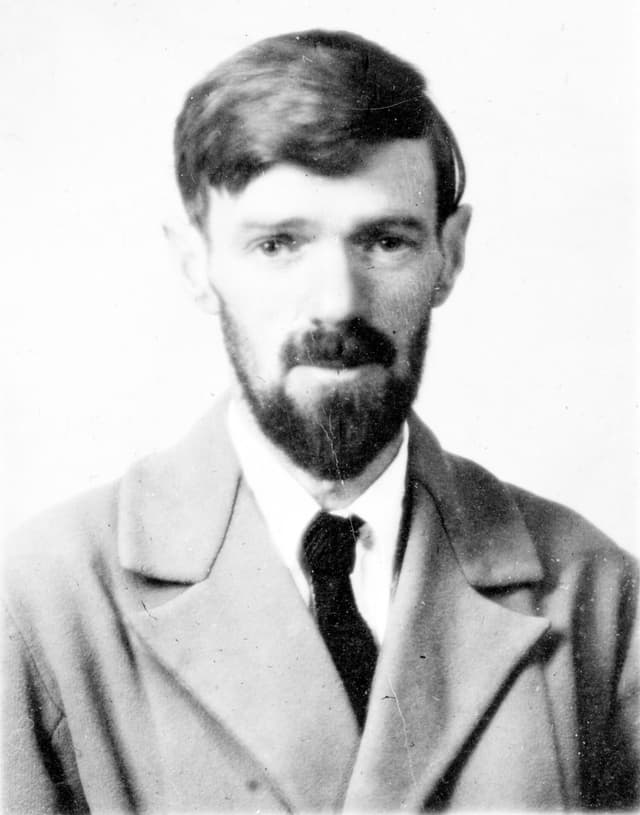
D. H. Lawrence
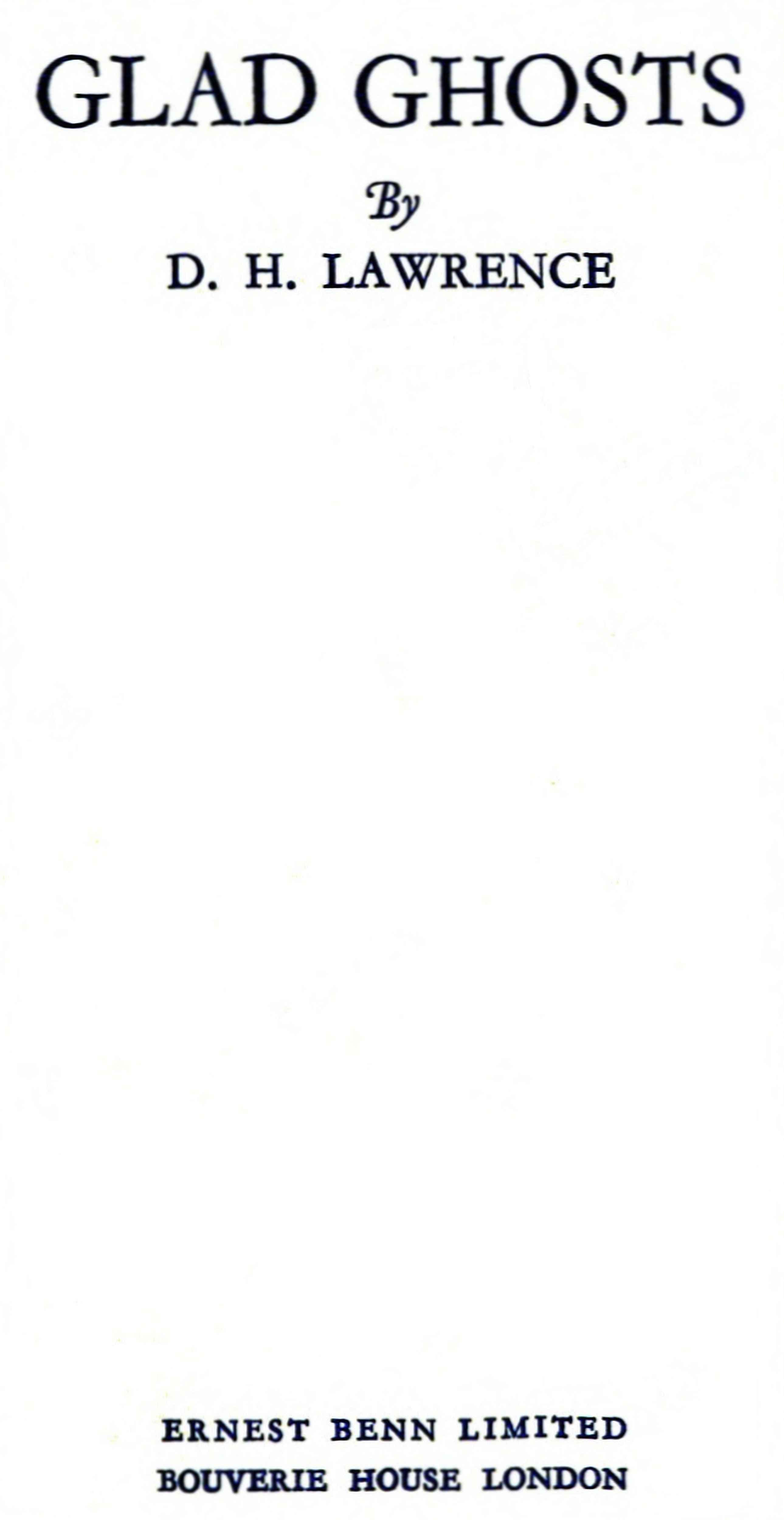
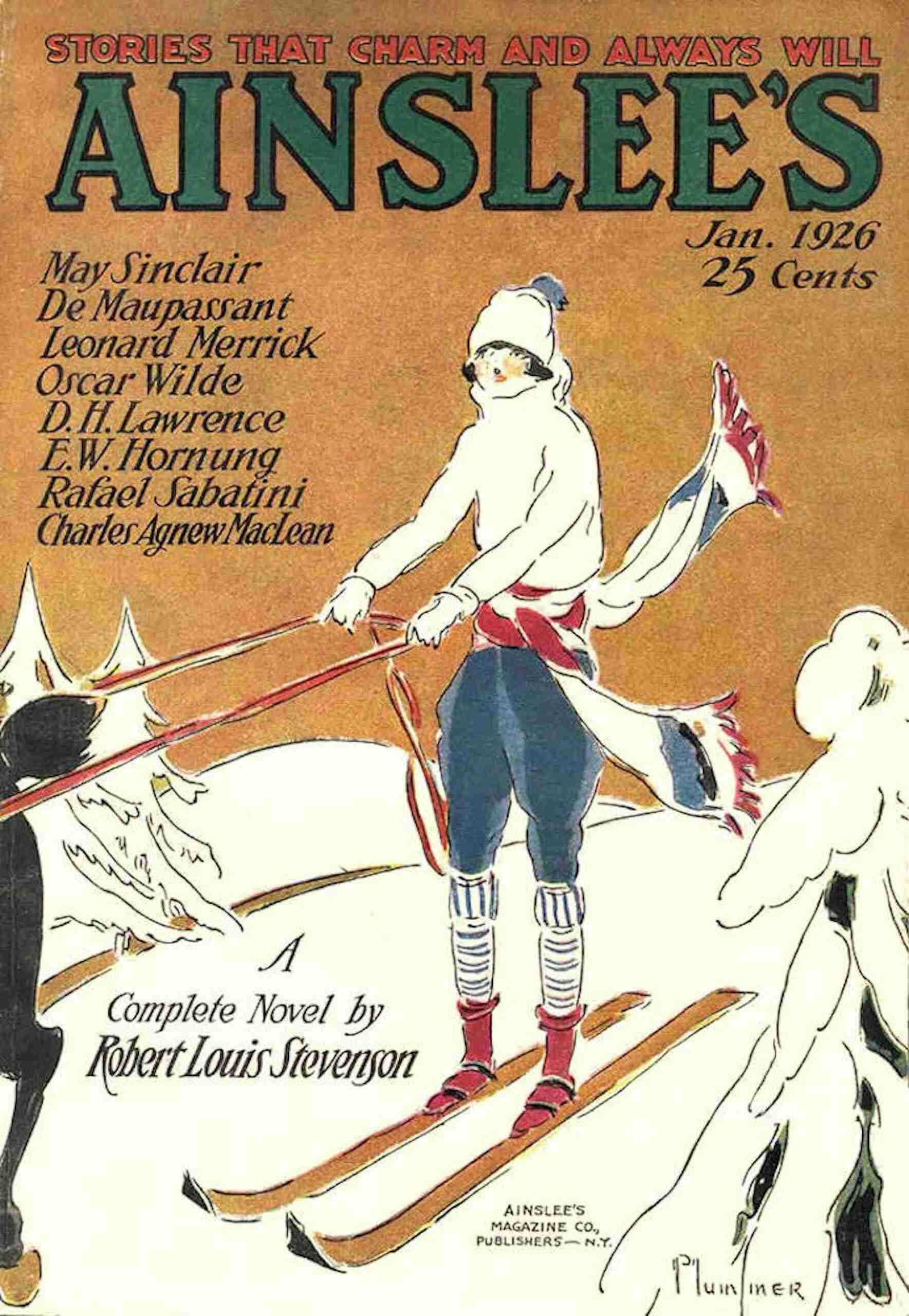
David Herbert Lawrence was an influential English writer whose diverse body of work encompassed novels, poetry, plays, and essays. Born in the industrial heartland of England, Lawrence's early experiences shaped his literary voice, which often grappled with themes of modernity, social alienation, and the impact of industrialization on human relationships. His modernist approach was characterized by a deep exploration of sexuality, instinct, and the human psyche, making him a pivotal figure in early 20th-century literature. Among his most notable works are 'Sons and Lovers' (1913), 'The Rainbow' (1915), 'Women in Love' (1920), and 'Lady Chatterley's Lover' (1928). These novels not only garnered critical acclaim but also sparked significant controversy due to their candid depictions of romance and sexuality, leading to censorship trials that highlighted the societal tensions of the time. Lawrence's literary legacy endures, as he challenged conventional norms and pushed the boundaries of expression, influencing generations of writers and thinkers who followed him.
Famous Quotes
View all 7 quotes“Human love, human trust, are always perilous, because they break down. The greater the love, the greater the trust, and the greater the peril, the greater the disaster. Because to place absolute trust on another human being is in itself a disaster, both ways, since each human being is a ship that must sail its own course, even if it go in company with another ship.... And yet, love is the greatest thing between human beings.”
“The world is supposed to be full of possibilities, but they narrow down to pretty few in most personal experience. There's lots of good fish in the sea... maybe... but the vast masses seem to be mackerel or herring, and if you're not mackerel or herring yourself, you are likely to find very few good fish in the sea.”
“And all the time she felt the reflection of his hopelessness in her. She couldn't quite, quite love in hoplessness. And he, being hopeless, couldn't ever love at all.”
Books from the author

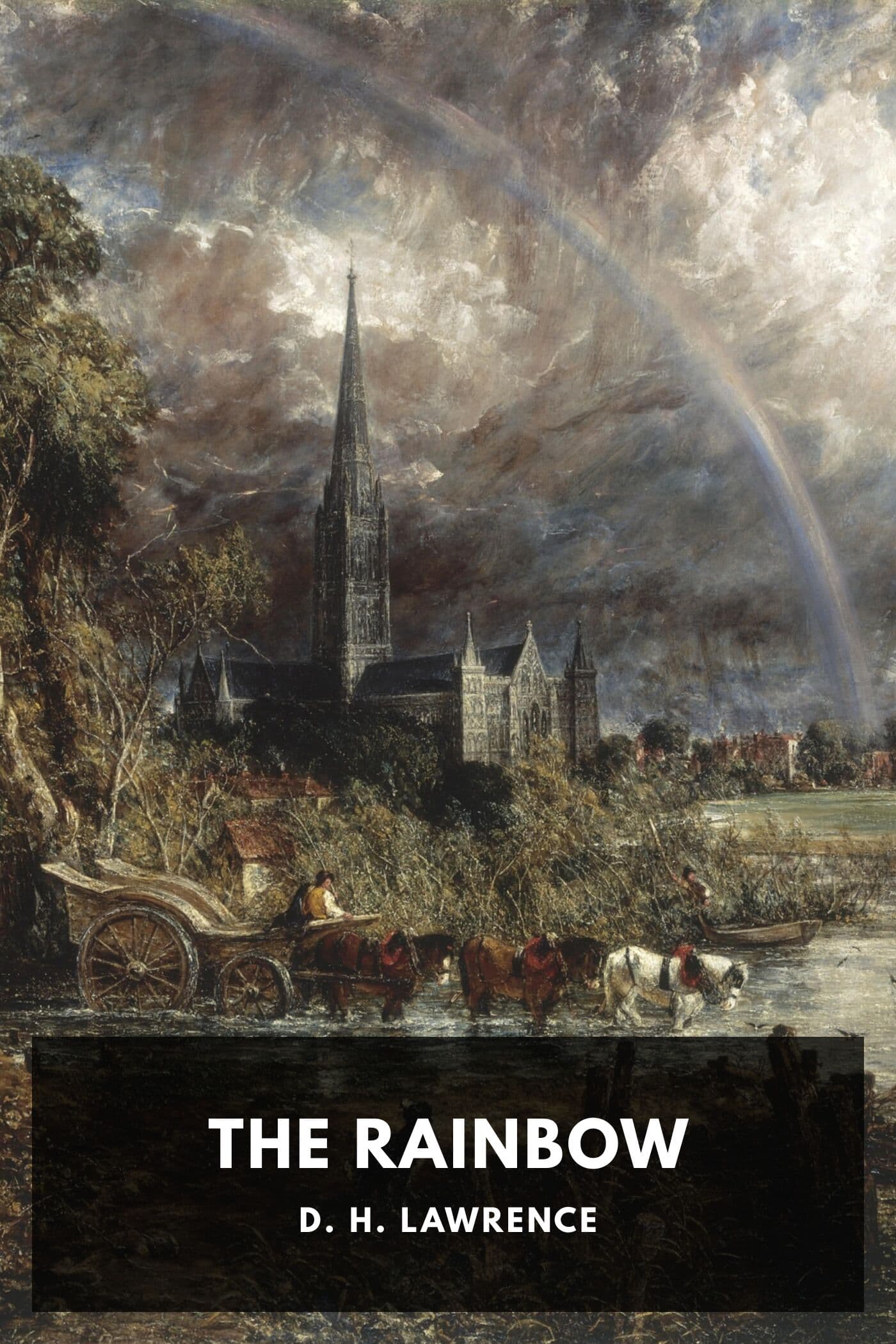
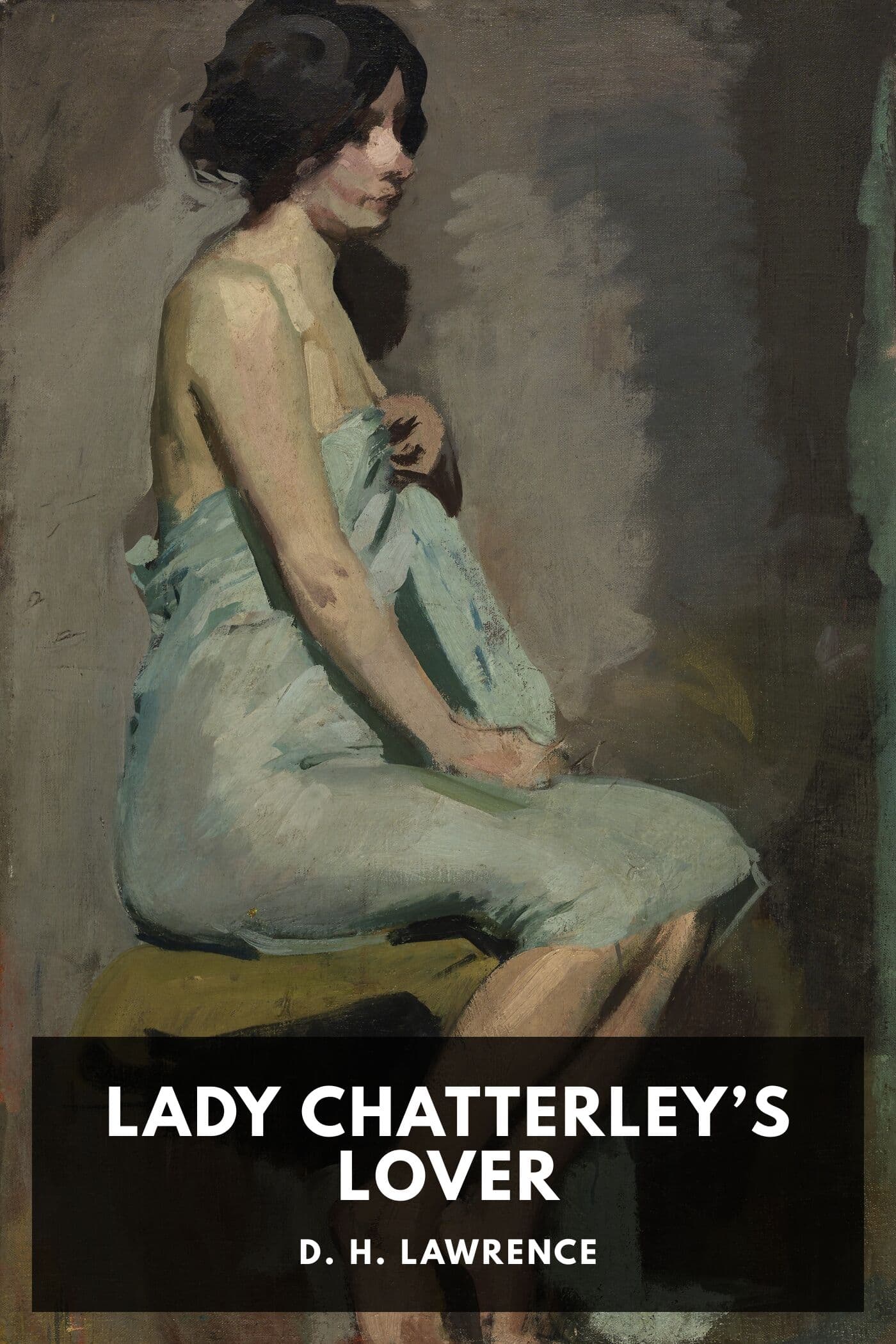

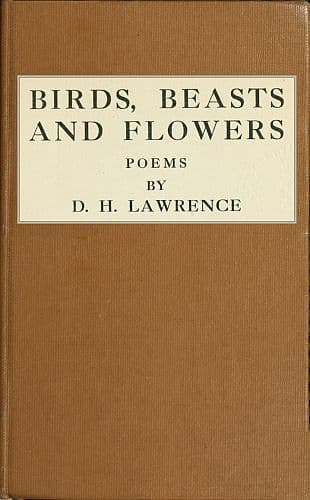
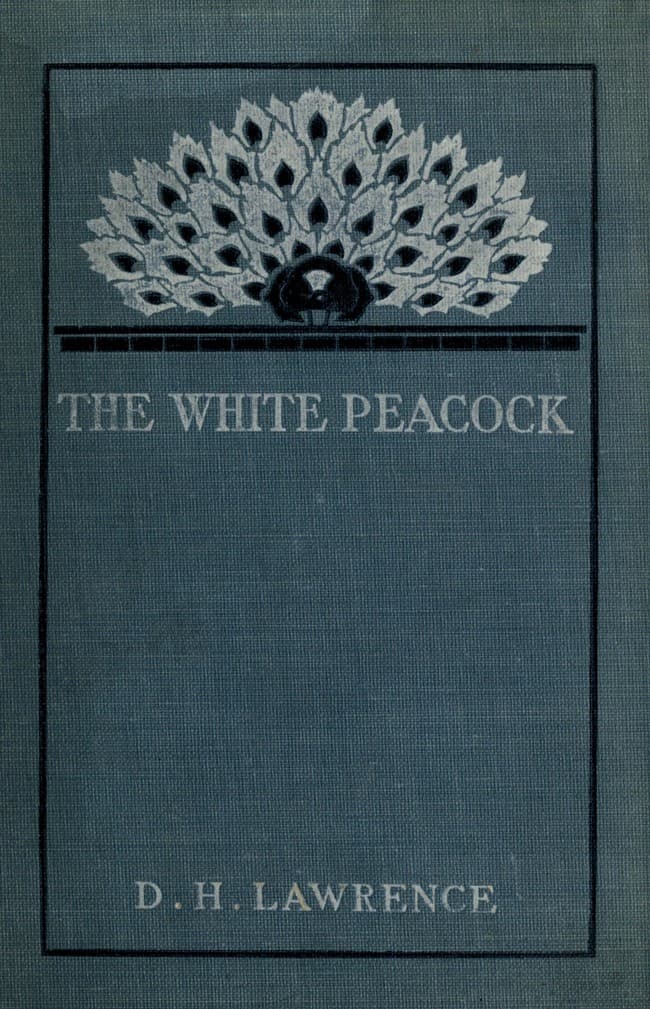

Link to this page
Add a free, dofollow link to Lex on your blog, forum, syllabus, or reading list.

<a href="https://lex-books.com/author/d-h-lawrence"><img src="https://lex-books.com/badges/read-on-lex.svg" alt="D. H. Lawrence on Lex" width="160" height="40"></a>[](https://lex-books.com/author/d-h-lawrence)[url=https://lex-books.com/author/d-h-lawrence][img]https://lex-books.com/badges/read-on-lex.svg[/img][/url]D. H. Lawrence on Lex: https://lex-books.com/author/d-h-lawrence