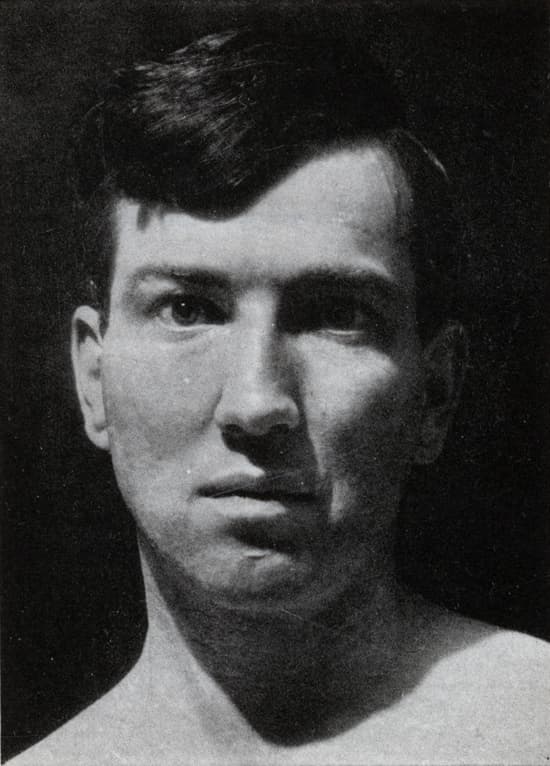
Robert Graves
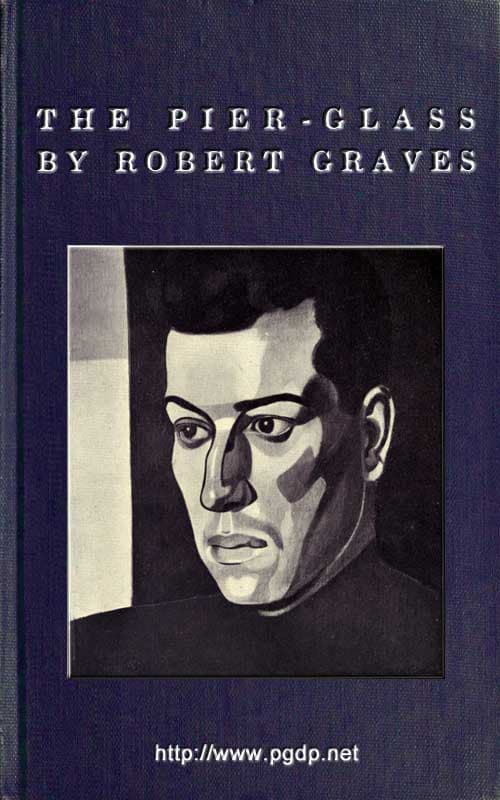
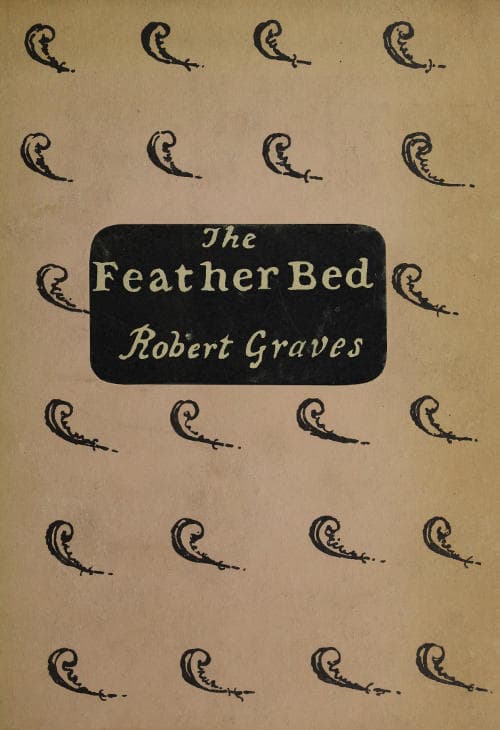
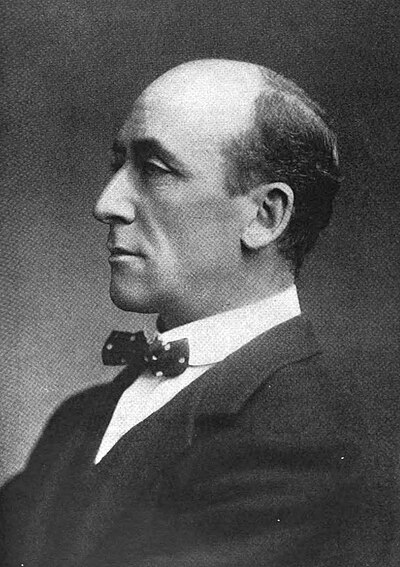
Robert Graves was an influential English poet, novelist, and critic, known for his profound contributions to literature and mythology. Born into a literary family, he was the son of Irish poet Alfred Perceval Graves, which deeply influenced his own work. Graves produced over 140 works throughout his lifetime, with notable pieces including his memoir 'Good-Bye to All That,' which candidly recounts his experiences in World War I, and 'The White Goddess,' a speculative exploration of poetic inspiration that has sparked extensive discussion. His poetry and translations of Greek myths showcased his innovative approach to storytelling and analysis, solidifying his reputation as a literary figure of significance. In addition to his poetry, Graves gained acclaim for his historical novels, particularly 'I, Claudius' and its sequel 'Claudius the God,' both of which earned him the James Tait Black Memorial Prize in 1934. His ability to weave historical narratives with rich character development captivated readers and influenced the genre of historical fiction. Graves was also a skilled translator, with his versions of classical texts like 'The Twelve Caesars' and 'The Golden Ass' praised for their clarity and engaging style. His legacy endures through his diverse body of work, which continues to be studied and appreciated for its depth and insight into human experience and mythology.
Famous Quotes
View all 3 quotes“To be a poet is a condition rather than a profession.”
“There's no money in poetry, but there's no poetry in money, either.”
“When the immense drugged universe explodes In a cascade of unendurable colour And leaves us gasping naked, This is no more than the ectasy of chaos: Hold fast, with both hands, to that royal love Which alone, as we know certainly, restores Fragmentation into true being. Ecstasy of Chaos”
Books from the author
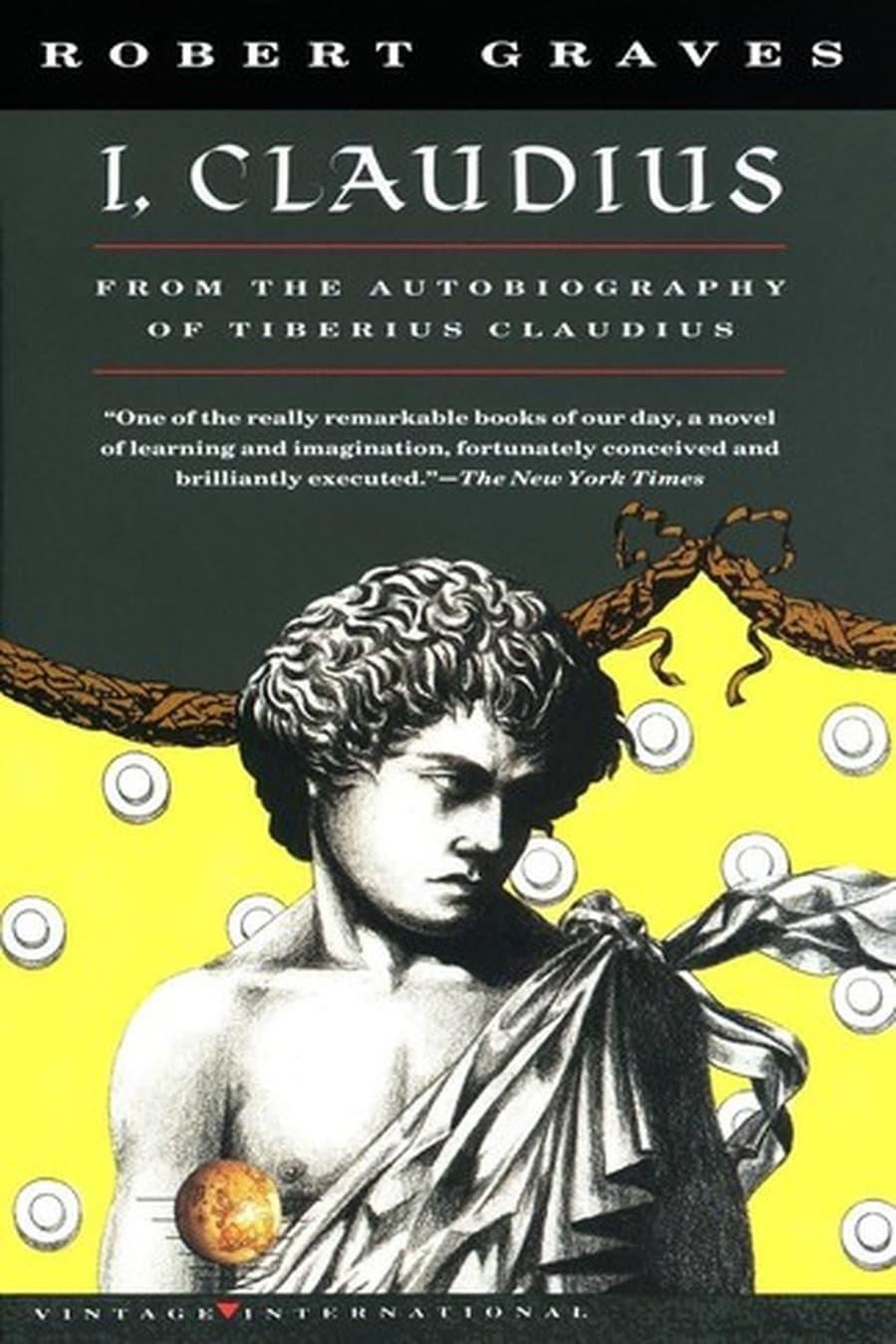

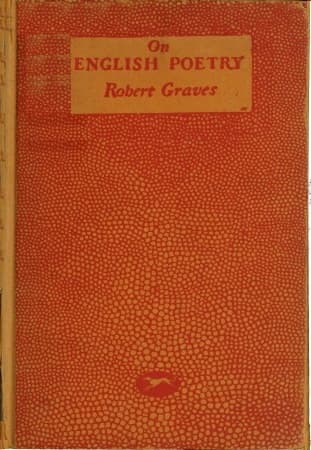
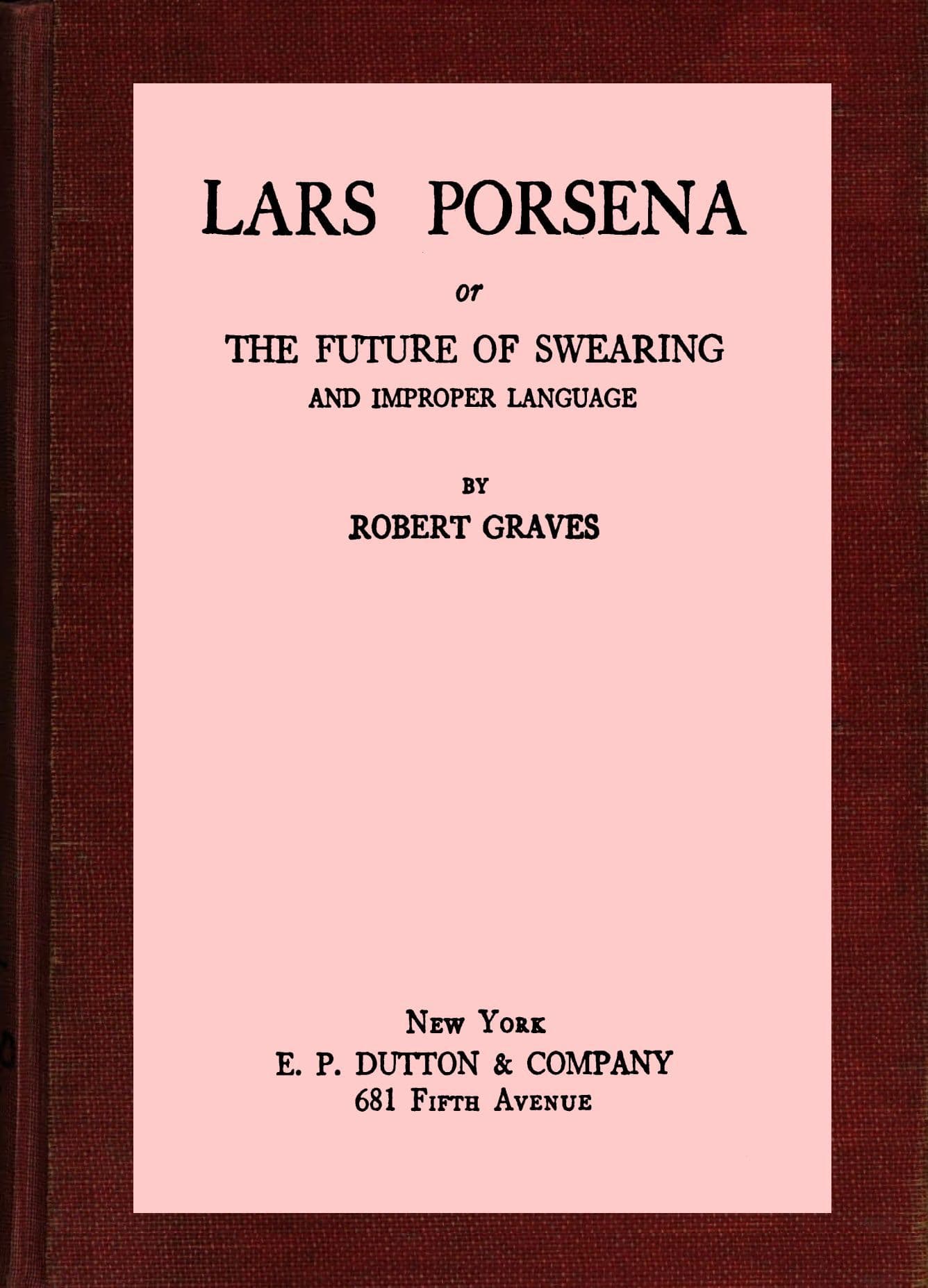




Link to this page
Add a free, dofollow link to Lex on your blog, forum, syllabus, or reading list.

<a href="https://lex-books.com/author/robert-graves"><img src="https://lex-books.com/badges/read-on-lex.svg" alt="Robert Graves on Lex" width="160" height="40"></a>[](https://lex-books.com/author/robert-graves)[url=https://lex-books.com/author/robert-graves][img]https://lex-books.com/badges/read-on-lex.svg[/img][/url]Robert Graves on Lex: https://lex-books.com/author/robert-graves