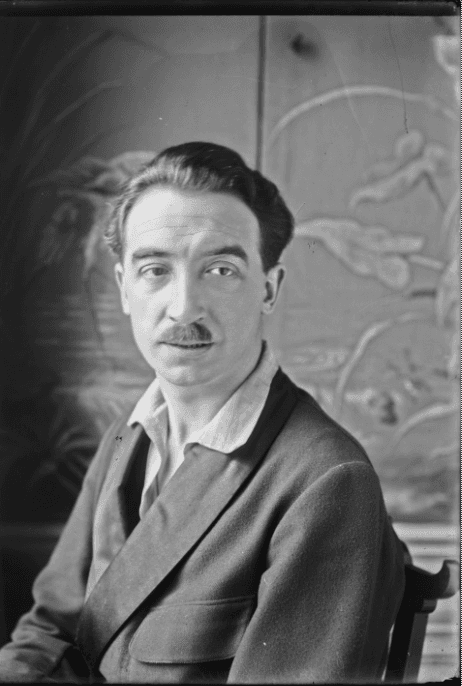
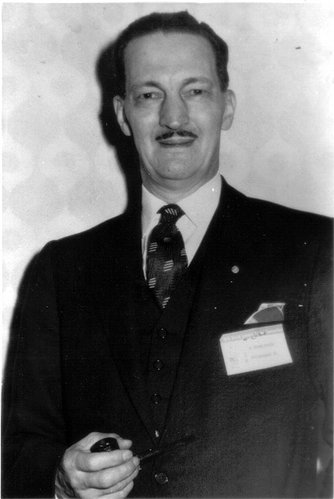
Thierry Sandre
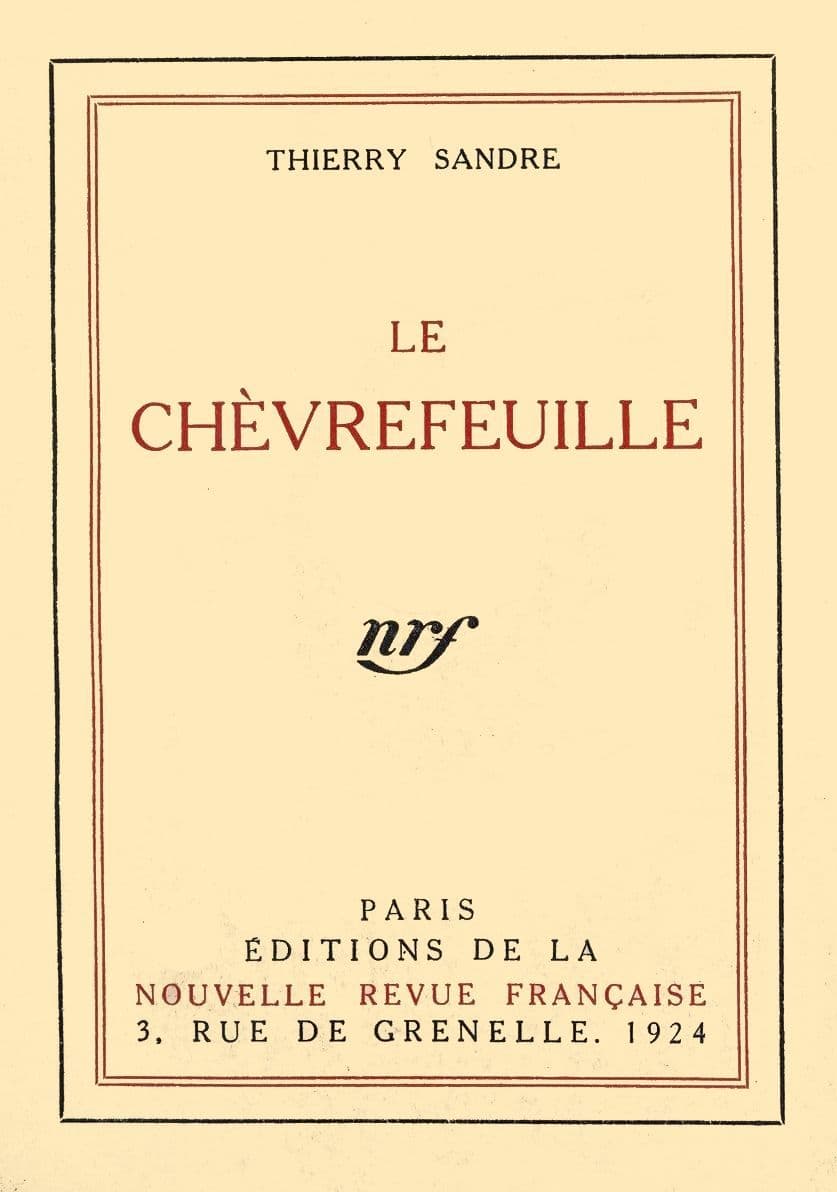
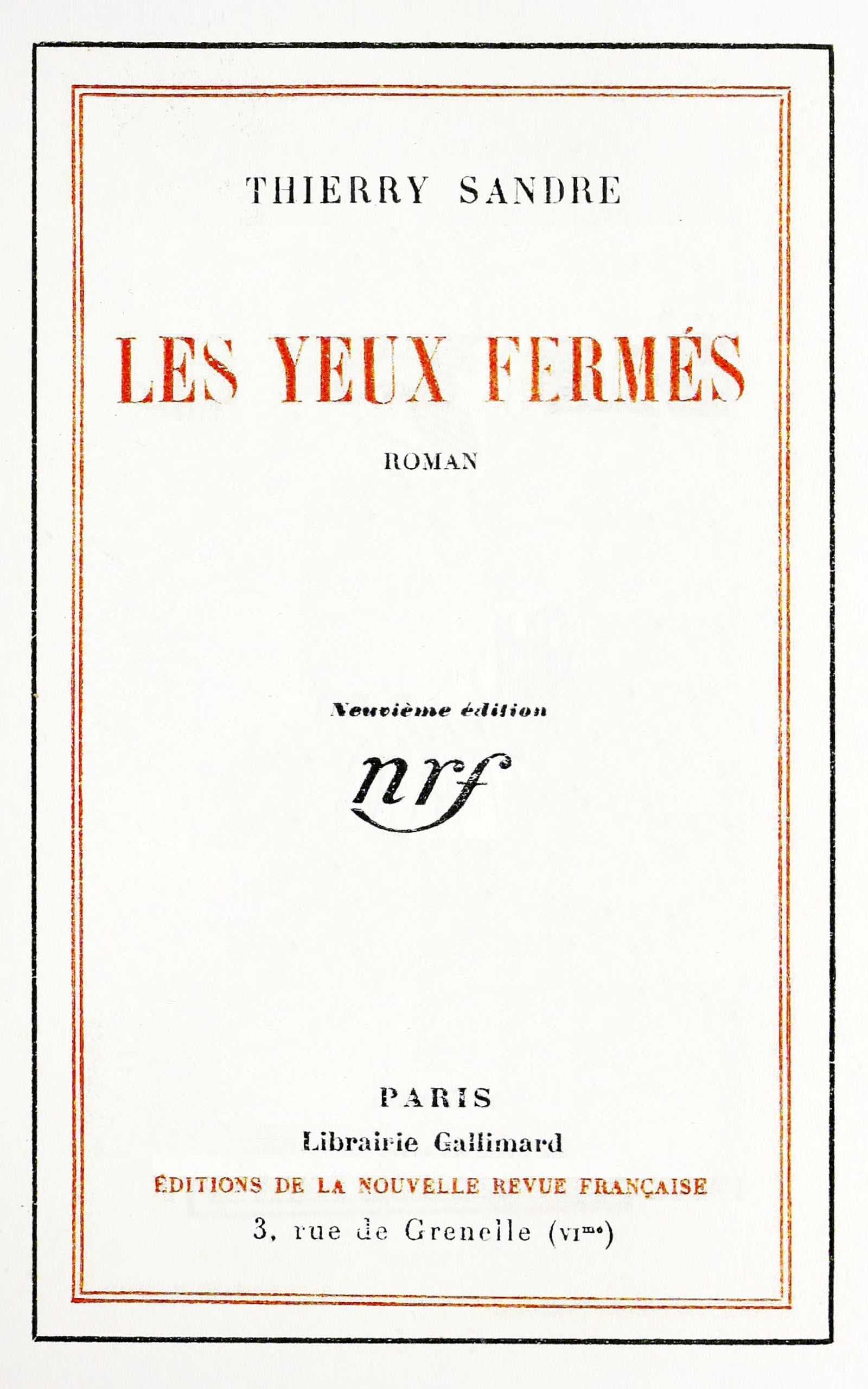
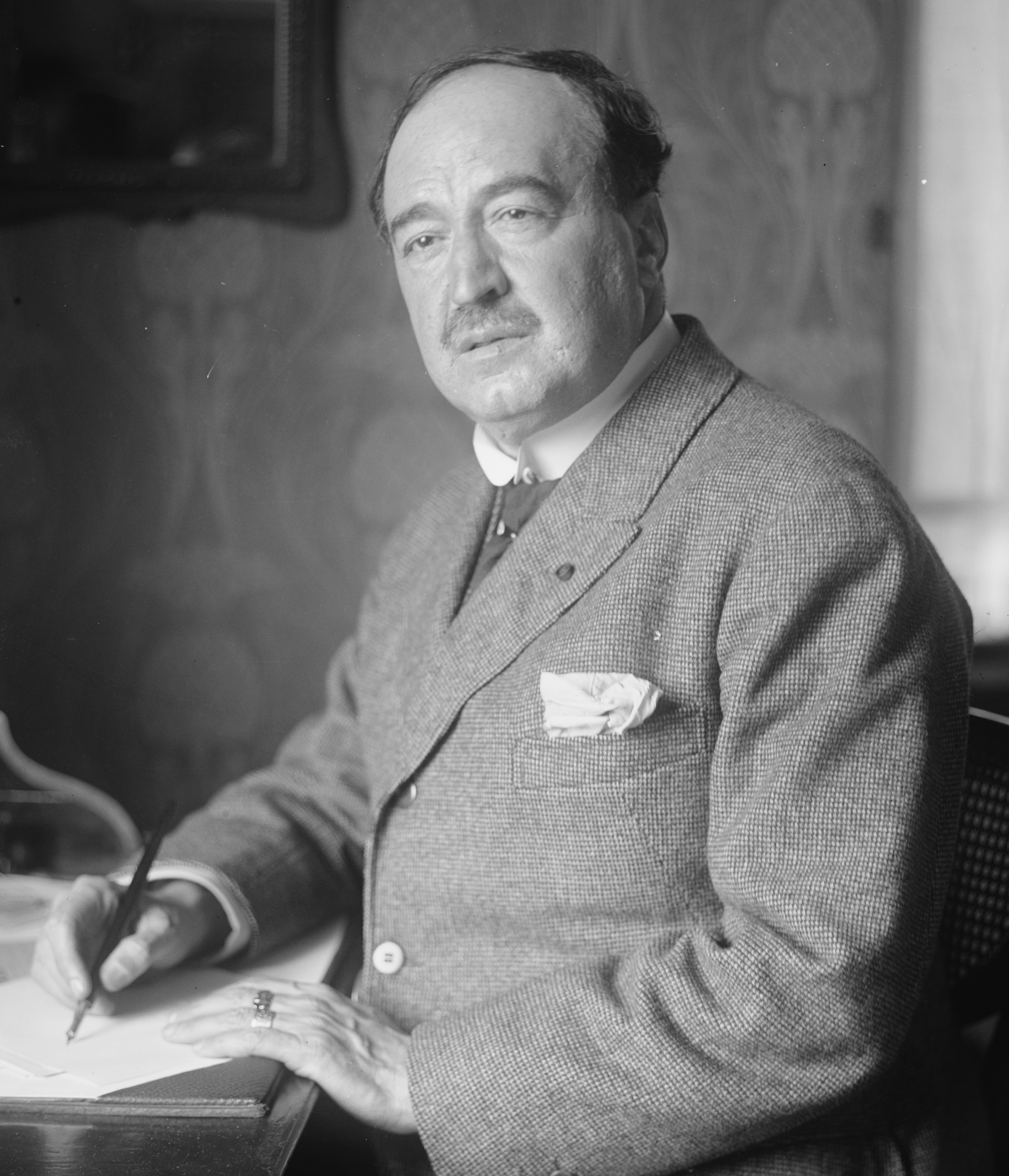
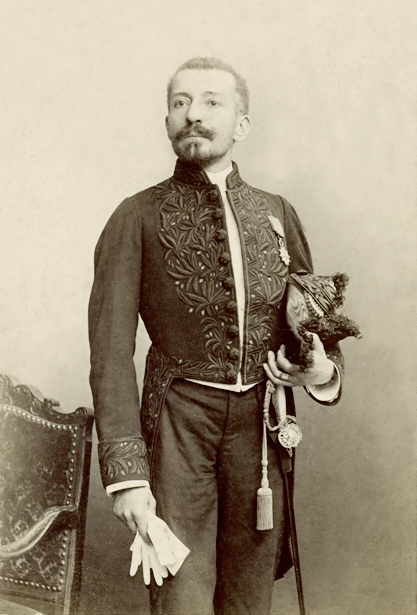
Thierry Sandre, born Charles Moulié, was a notable French writer, poet, and essayist who made significant contributions to literature in the early 20th century. He gained prominence with his novel 'Le Chèvrefeuille,' which earned him the prestigious Prix Goncourt in 1924. Sandre was particularly known for his expertise in 16th-century French literature and often wrote under the pseudonym Jean Dumoulin. His literary career was marked by his role as a translator and adapter of classical texts from Greek, Latin, and Arabic, showcasing his deep engagement with historical literature. His life was profoundly affected by the tumult of the two World Wars. Before World War I, he served as the secretary to Pierre Louÿs, and during the war, he was captured and spent time in a German prison camp. After the war, he became a founding member of the Association of War Writers and contributed to an anthology celebrating deceased war writers. Despite his literary achievements, Sandre faced controversy in the 1940s due to his association with the Ordre Nouveau and the publication of two books that led to his inclusion on a list of banned writers post-war. However, he managed to rehabilitate his reputation and continued to publish, leaving a complex legacy that reflects both his literary talent and the turbulent historical context in which he lived.
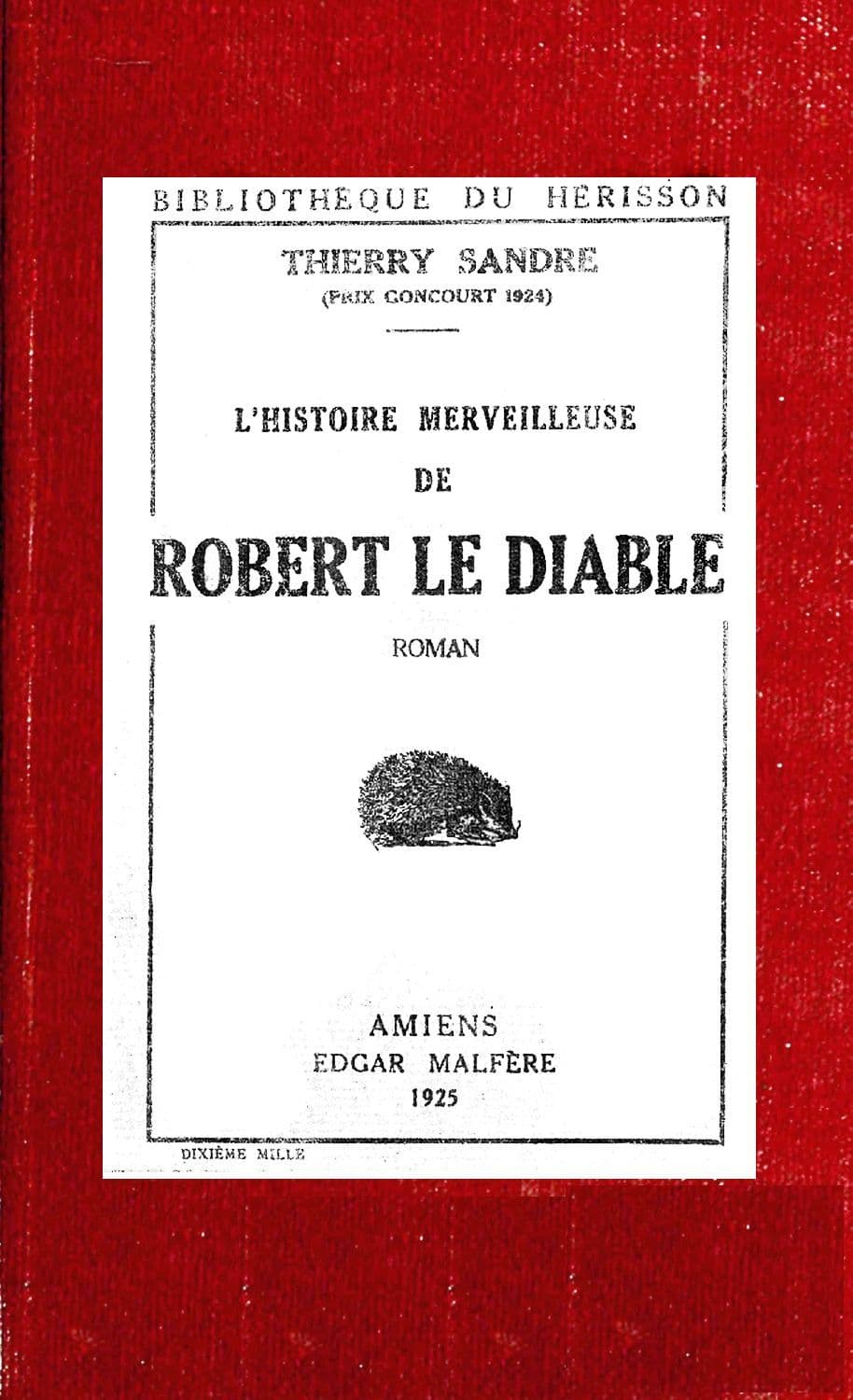
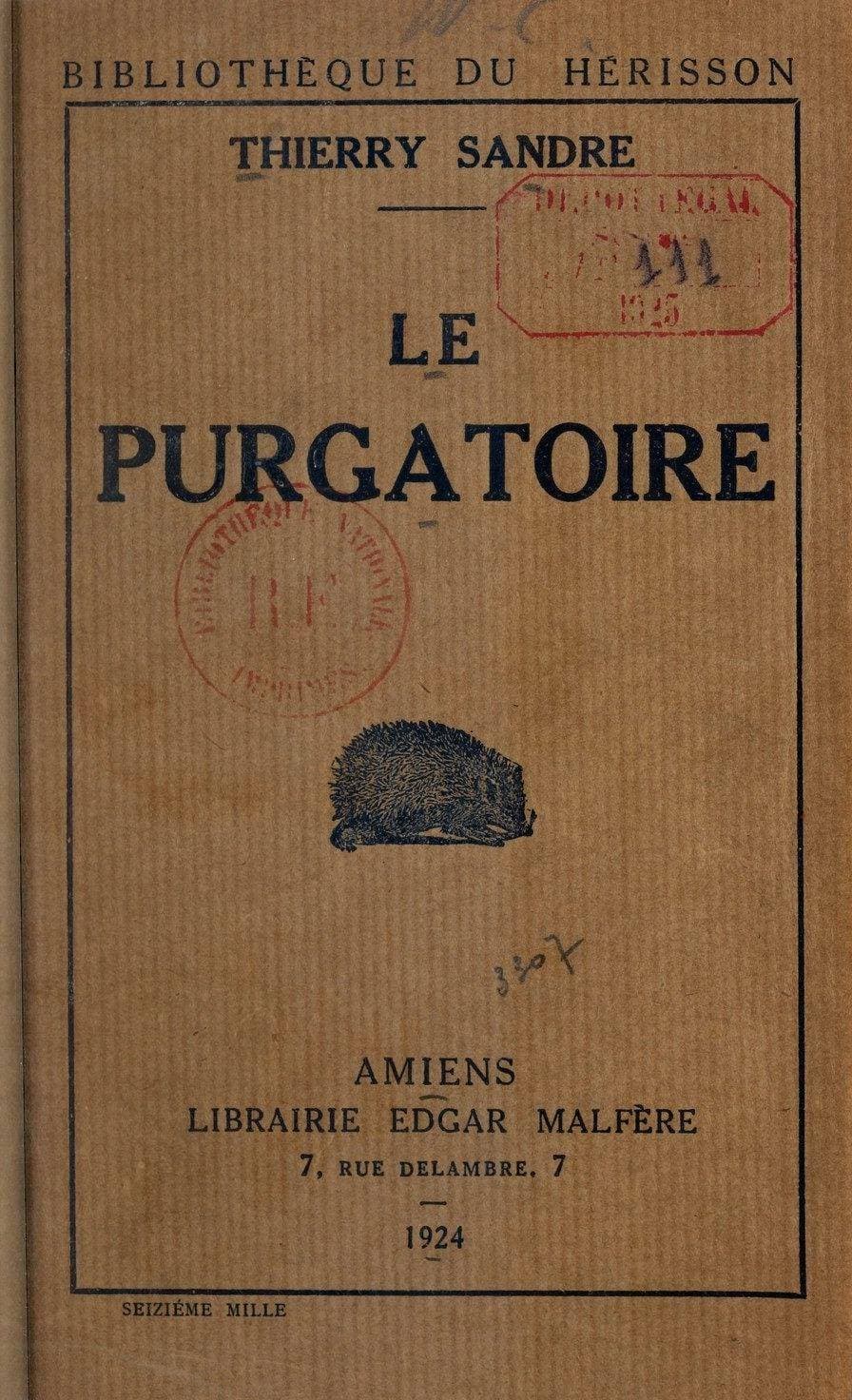
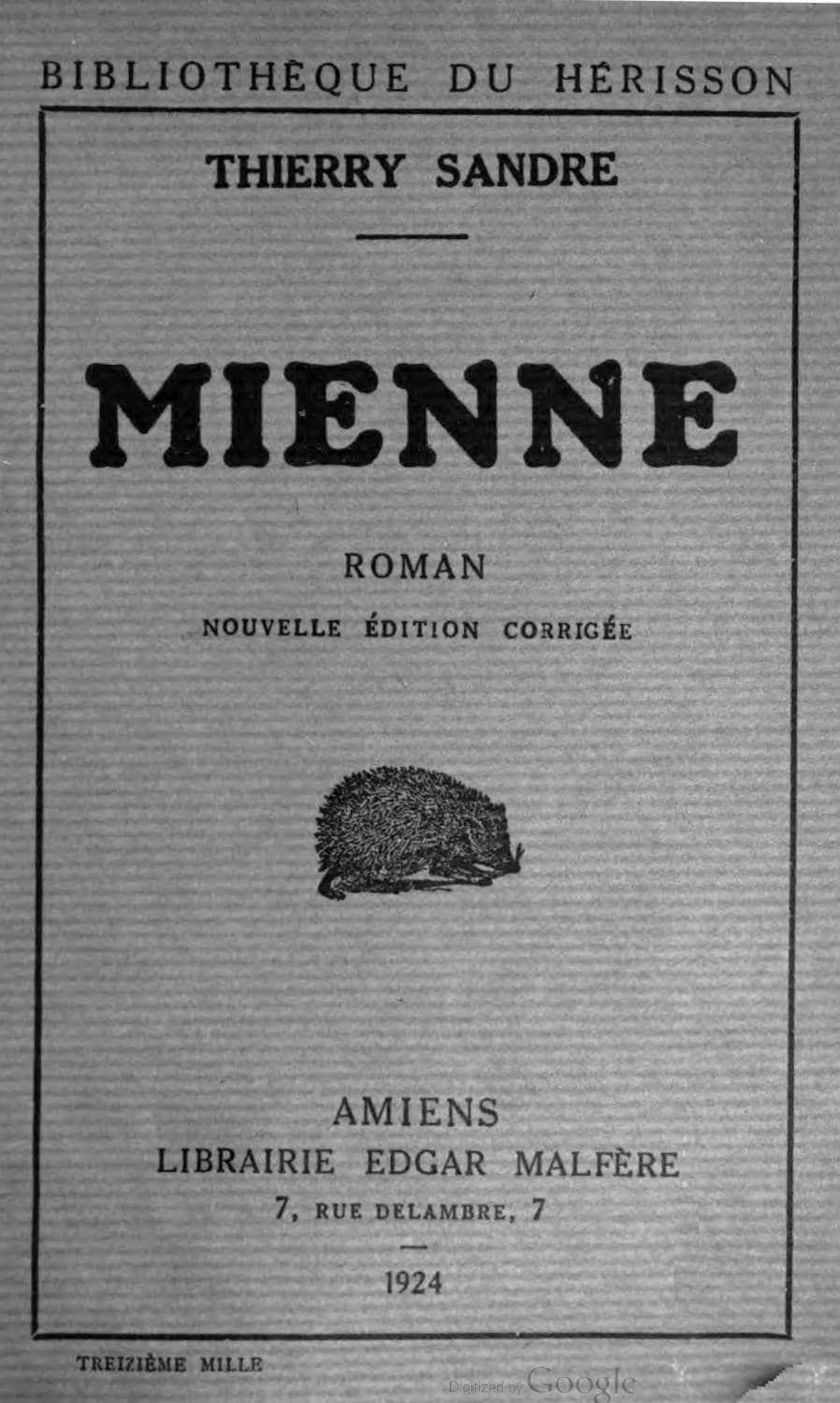
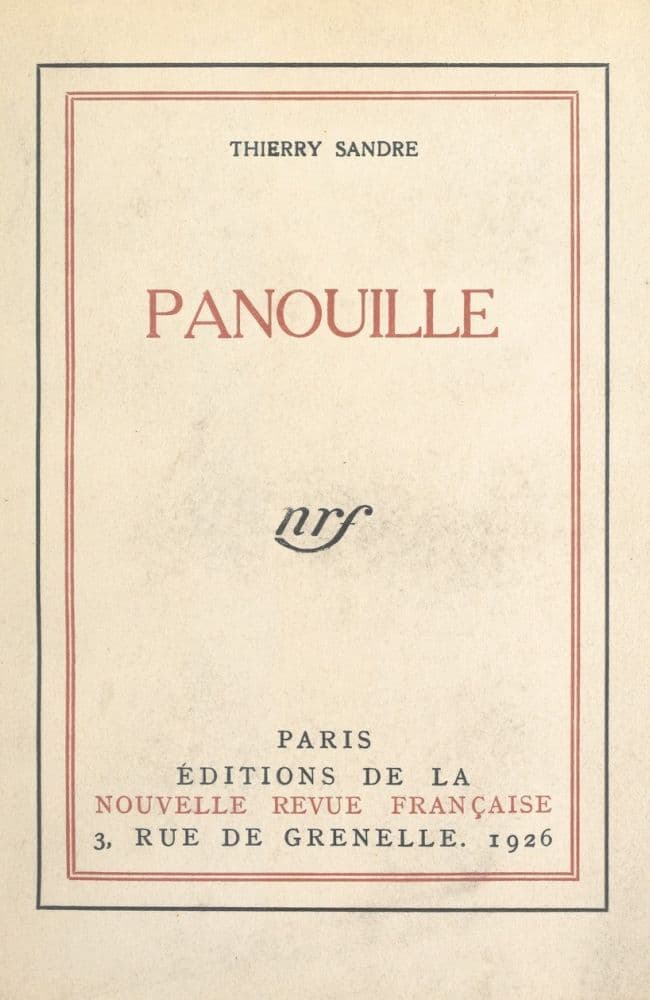
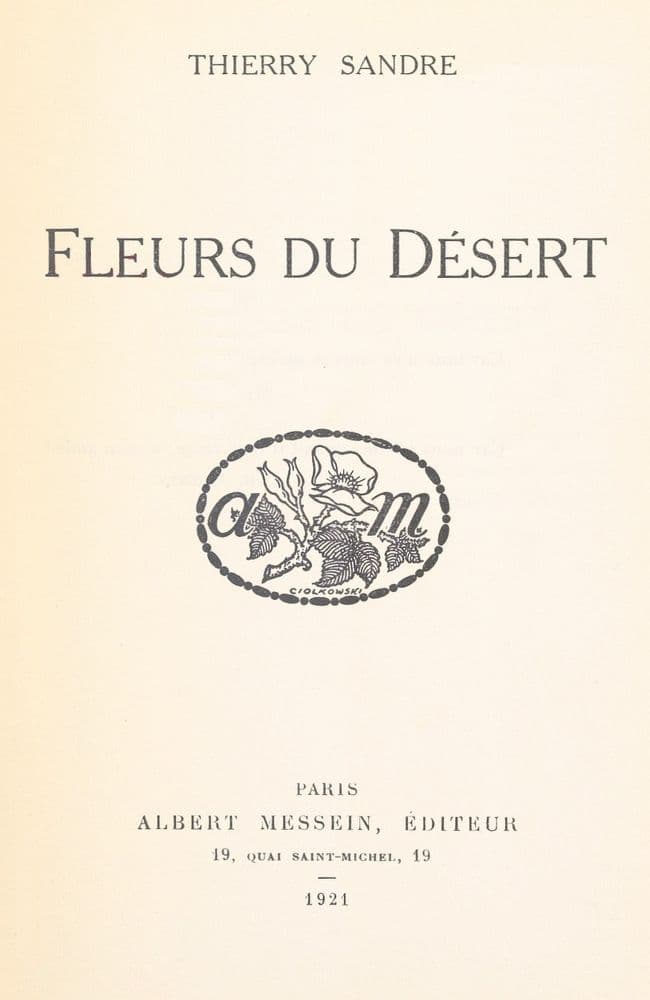
Books from the author


Link to this page
Add a free, dofollow link to Lex on your blog, forum, syllabus, or reading list.

<a href="https://lex-books.com/author/thierry-sandre"><img src="https://lex-books.com/badges/read-on-lex.svg" alt="Thierry Sandre on Lex" width="160" height="40"></a>[](https://lex-books.com/author/thierry-sandre)[url=https://lex-books.com/author/thierry-sandre][img]https://lex-books.com/badges/read-on-lex.svg[/img][/url]Thierry Sandre on Lex: https://lex-books.com/author/thierry-sandre