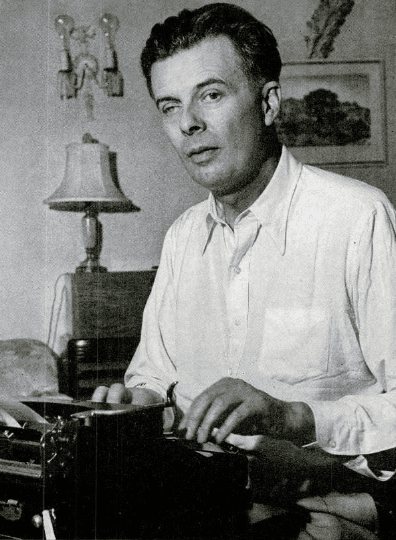
Aldous Huxley
Aldous Huxley was an influential English writer and philosopher, best known for his profound explorations of society, technology, and the human condition. Born into a prominent family, he graduated from Balliol College, Oxford, where he began his literary career with poetry and short stories. Huxley gained recognition for his novels, particularly the satirical 'Brave New World,' published in 1932, which offered a chilling vision of a technologically advanced society stripped of individuality and freedom. His later works, such as 'Island' (1962), presented contrasting ideas of utopia, showcasing his evolving philosophical perspectives. Throughout his life, Huxley was a prolific author, producing nearly 50 books, including essays, travel writing, and screenplays. He became increasingly interested in mysticism and the intersection of Eastern and Western philosophies, themes he explored in works like 'The Perennial Philosophy' (1945) and 'The Doors of Perception' (1954), which documented his experiences with psychedelics. Huxley was nominated for the Nobel Prize in Literature nine times and was recognized as a leading intellectual of his era, leaving a lasting legacy that continues to influence discussions on ethics, society, and spirituality.
Famous Quotes
View all 3 quotes“Facts do not cease to exist because they are ignored.”
“Words can be like X-rays if you use them properly – they’ll go through anything. You read and you’re pierced.”
“But I don't want comfort. I want God, I want poetry, I want real danger, I want freedom, I want goodness. I want sin.”
Books from the author

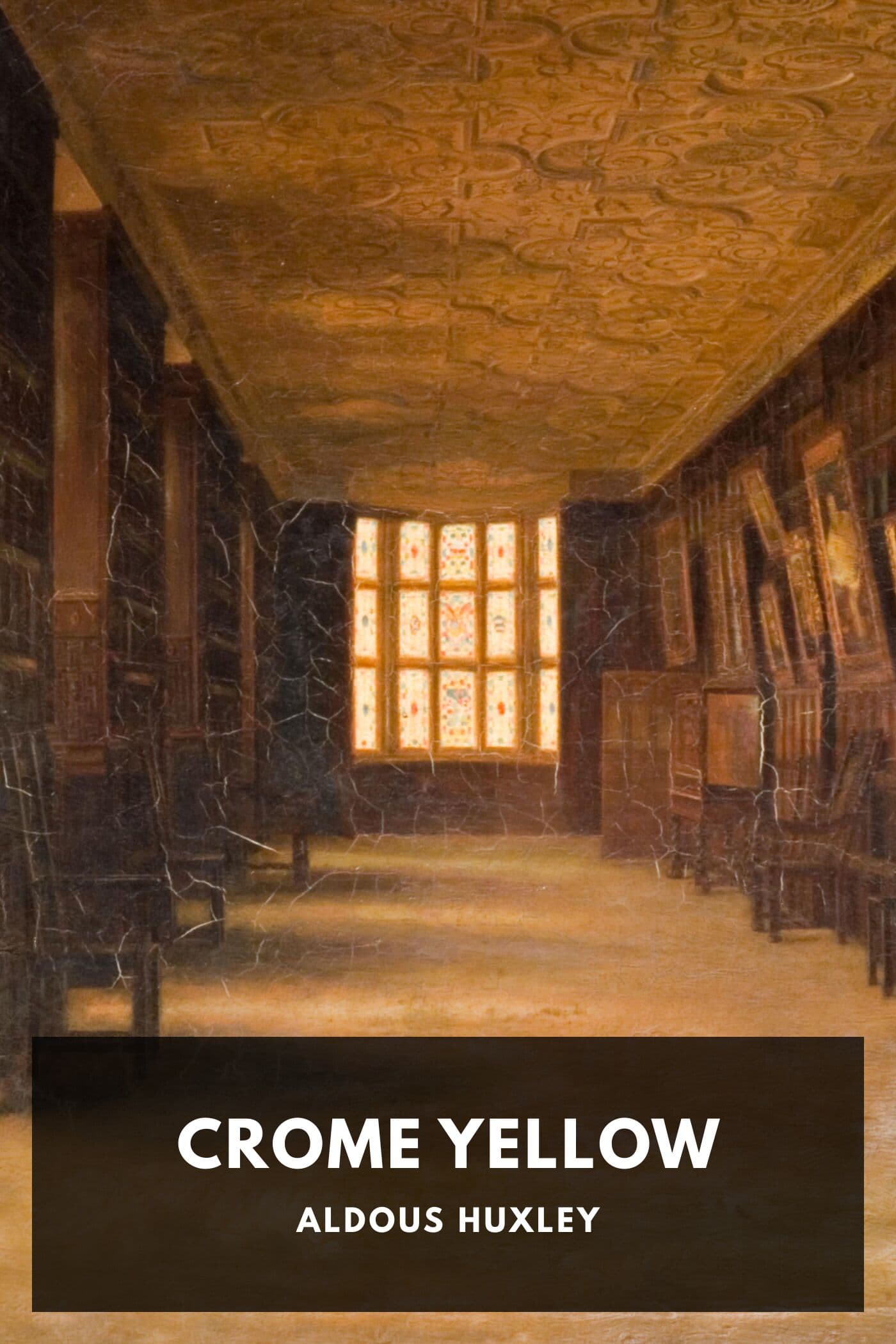
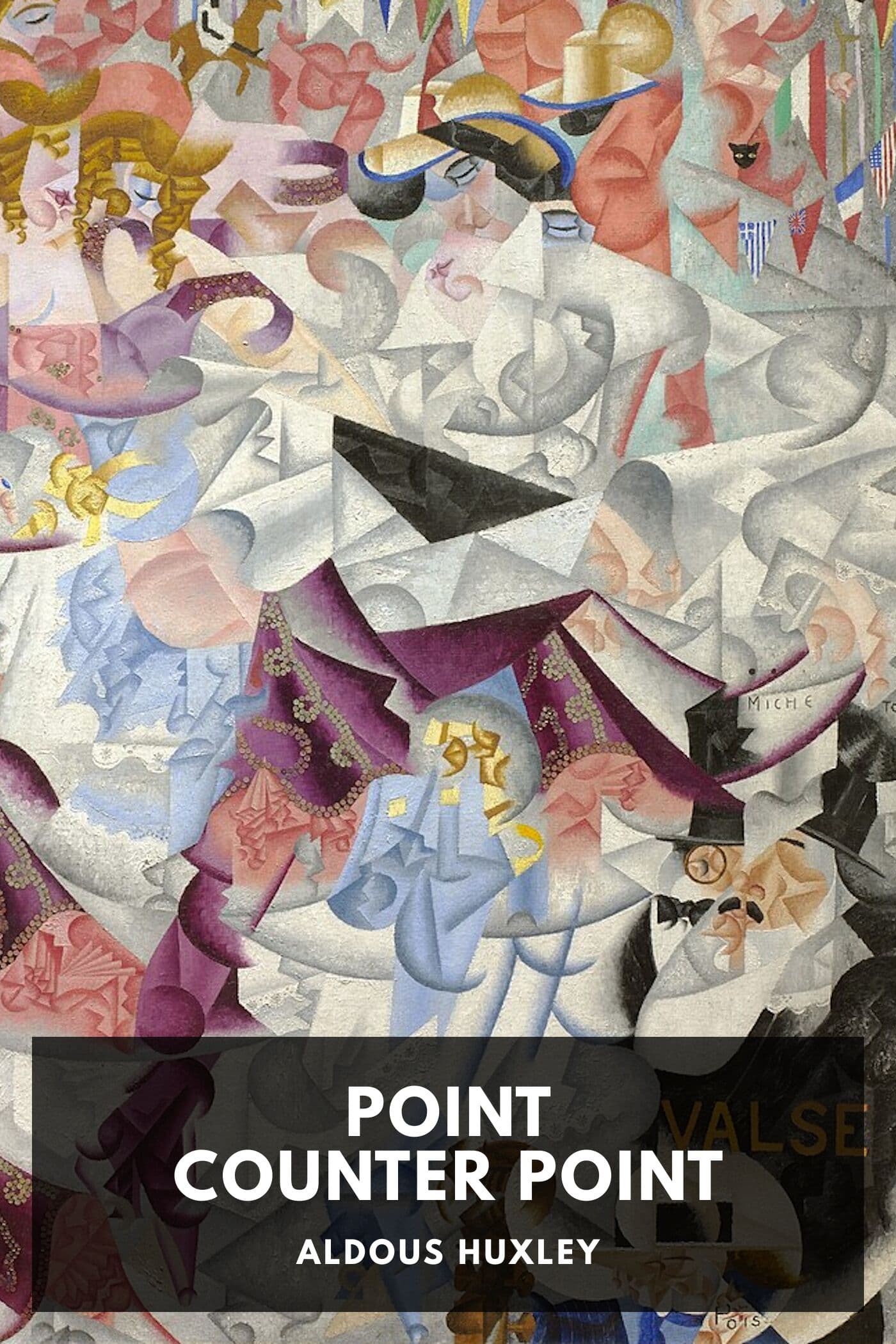









Link to this page
Add a free, dofollow link to Lex on your blog, forum, syllabus, or reading list.

<a href="https://lex-books.com/author/aldous-huxley"><img src="https://lex-books.com/badges/read-on-lex.svg" alt="Aldous Huxley on Lex" width="160" height="40"></a>[](https://lex-books.com/author/aldous-huxley)[url=https://lex-books.com/author/aldous-huxley][img]https://lex-books.com/badges/read-on-lex.svg[/img][/url]Aldous Huxley on Lex: https://lex-books.com/author/aldous-huxley