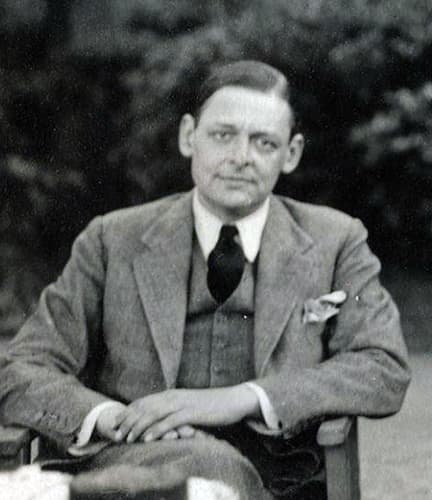
T. S. Eliot
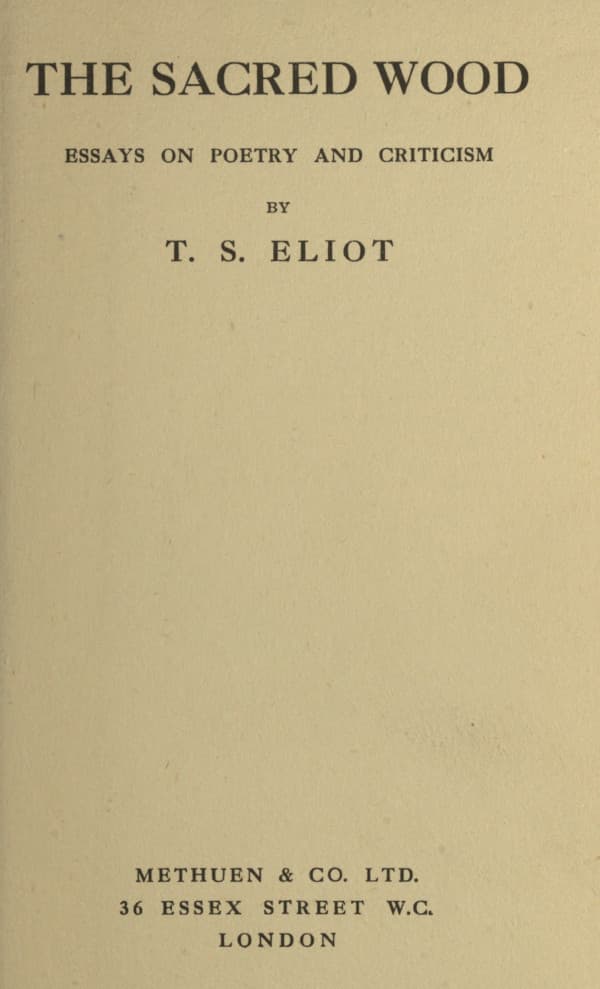
T. S. Eliot was a pivotal figure in modernist literature, known for his innovative use of language and form. Born in St. Louis, Missouri, he later moved to England, where he became a British citizen in 1927. Eliot's early work, including 'Prufrock and Other Observations,' introduced a new style of poetry characterized by its fragmentation and stream-of-consciousness technique. His most famous poem, 'The Waste Land,' published in 1922, is often regarded as one of the most important works of 20th-century literature, capturing the disillusionment of the post-World War I era through its rich tapestry of allusions and voices. In addition to his poetry, Eliot was a significant critic and essayist, contributing to the understanding of poetry and its role in society through works like 'The Sacred Wood: Essays on Poetry and Criticism' and 'Homage to John Dryden: Three Essays on Poetry of the Seventeenth Century.' He explored themes of tradition, culture, and the nature of art, influencing countless writers and thinkers. Eliot's legacy endures not only through his own works but also through his impact on the modernist movement and his role in shaping contemporary poetry and criticism.
Books from the author


Link to this page
Add a free, dofollow link to Lex on your blog, forum, syllabus, or reading list.

<a href="https://lex-books.com/author/t-s-eliot"><img src="https://lex-books.com/badges/read-on-lex.svg" alt="T. S. Eliot on Lex" width="160" height="40"></a>[](https://lex-books.com/author/t-s-eliot)[url=https://lex-books.com/author/t-s-eliot][img]https://lex-books.com/badges/read-on-lex.svg[/img][/url]T. S. Eliot on Lex: https://lex-books.com/author/t-s-eliot