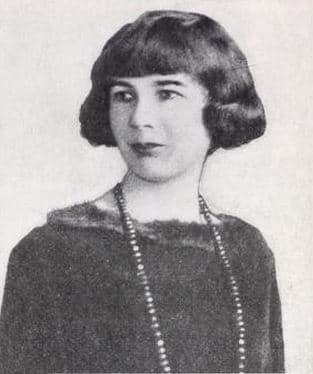
Sheila Kaye-Smith
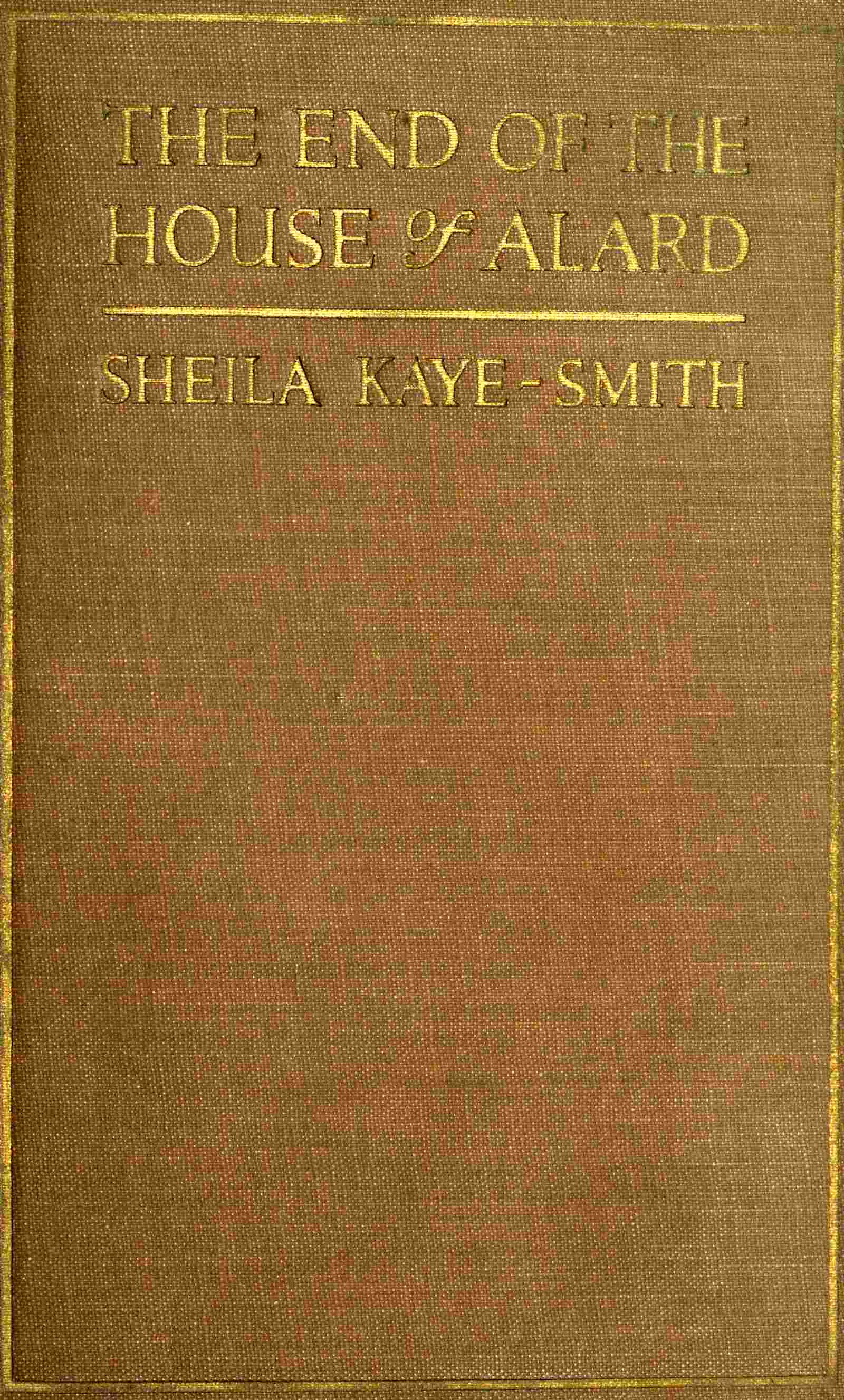
Sheila Kaye-Smith was an English novelist celebrated for her vivid portrayals of rural life in the borderlands of Sussex and Kent. Her literary career flourished in the early 20th century, with her breakthrough novel, The End of the House of Alard, published in 1923, becoming a best-seller and establishing her prominence in the literary world. Kaye-Smith's works often reflected the regional tradition, capturing the essence of English landscapes and the complexities of human relationships within them. Notable among her earlier works is Joanna Godden, published in 1921, which garnered renewed interest when it was adapted into the film The Loves of Joanna Godden in 1947, albeit with a different ending than the original novel. Throughout her career, Kaye-Smith produced a substantial body of work that resonated with readers both in England and abroad. Her novels, including Susan Spray, showcased her ability to weave intricate narratives that explored themes of love, loss, and the passage of time. By the 1980s, her influence was revived as her works were reissued by Virago Press, ensuring that her contributions to English literature continued to be recognized. Kaye-Smith's legacy lies in her ability to capture the spirit of her surroundings and the human experience, making her a significant figure in the regional literature of her time.
Books from the author


Link to this page
Add a free, dofollow link to Lex on your blog, forum, syllabus, or reading list.

<a href="https://lex-books.com/author/sheila-kaye-smith"><img src="https://lex-books.com/badges/read-on-lex.svg" alt="Sheila Kaye-Smith on Lex" width="160" height="40"></a>[](https://lex-books.com/author/sheila-kaye-smith)[url=https://lex-books.com/author/sheila-kaye-smith][img]https://lex-books.com/badges/read-on-lex.svg[/img][/url]Sheila Kaye-Smith on Lex: https://lex-books.com/author/sheila-kaye-smith