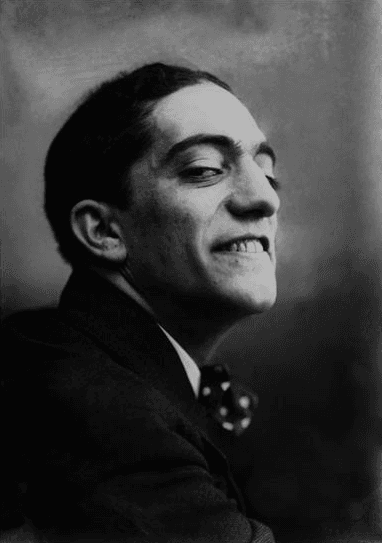
José de Almada Negreiros
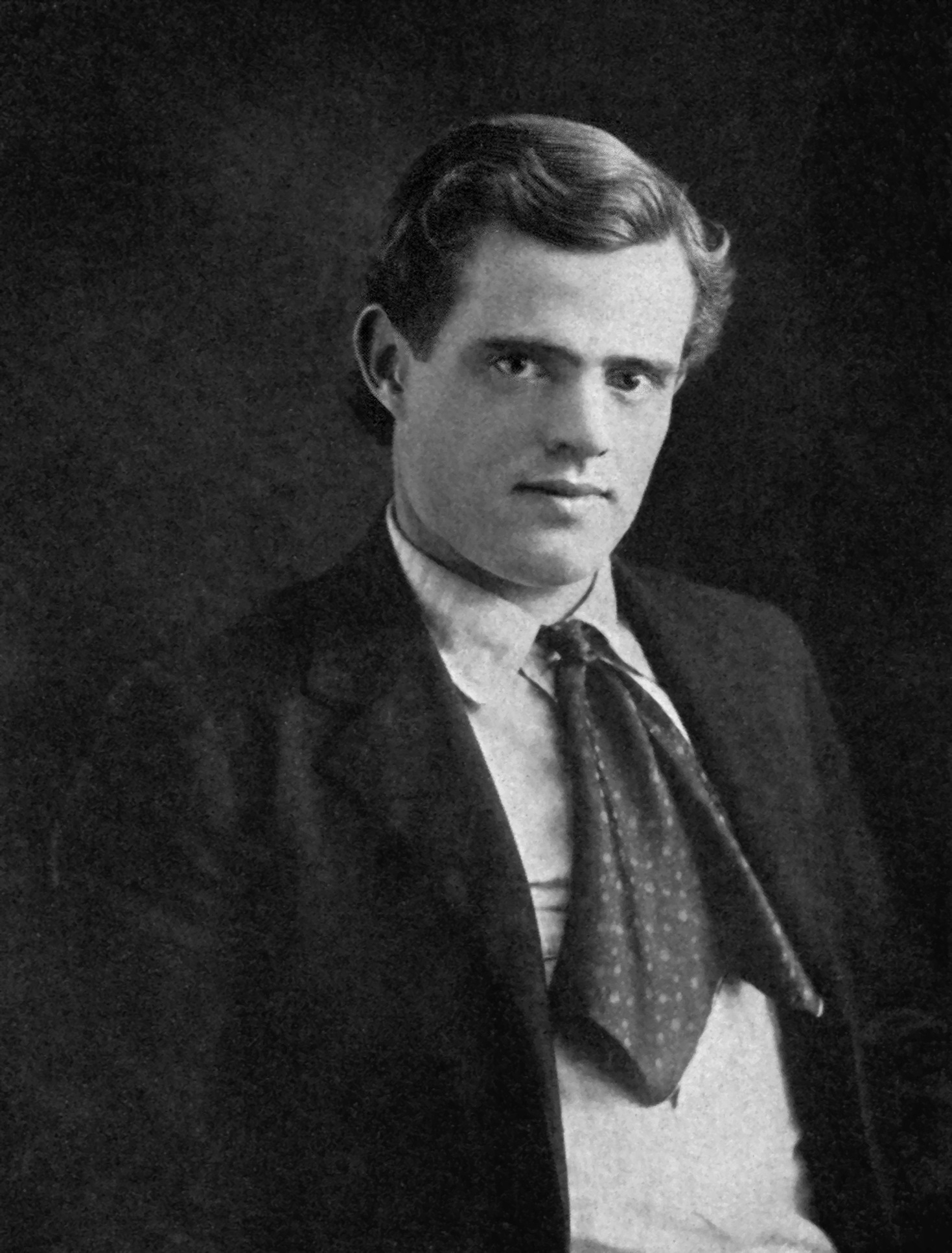
José de Almada Negreiros was a pivotal figure in Portuguese literature and art, known for his multifaceted contributions as a poet, novelist, and visual artist. Born in 1893, he emerged as a leading voice of the modernist movement in Portugal, particularly through his involvement with the literary magazine 'Orpheu,' which was instrumental in introducing avant-garde ideas to the Portuguese cultural landscape. His works often reflected a blend of Futurism and other modernist influences, showcasing his innovative approach to both form and content. Notable pieces such as 'Manifesto Anti-Dantas' and 'A Invenção Do Dia Claro' exemplify his bold stylistic choices and thematic explorations of identity, society, and the human experience. Almada Negreiros's literary output extended beyond poetry to include novels like 'A Engomadeira' and 'K4 O Quadrado Azul,' where he employed a distinctive narrative voice that often challenged societal norms. His works were characterized by a keen awareness of the socio-political climate of his time, and he frequently engaged with contemporary issues through a lens of irony and critique. In addition to his literary endeavors, he was also an accomplished visual artist, contributing to the broader modernist movement in Portugal. His legacy endures as a cornerstone of 20th-century Portuguese literature, influencing generations of writers and artists who followed, and his works continue to be celebrated for their originality and depth.
Famous Quotes
View all 18 quotes“Quando eu nasci, as frases que hão-de salvar a humanidade já estavam todas escritas, só faltava uma coisa - salvar a humanidade.””
“O povo completo será aquele que tiver reunido no seu máximo todas as qualidades e todos os defeitos.Coragem, portugueses, só vos faltam as qualidades!»””
“Até hoje fui sempre futuro.””
Books from the author


Link to this page
Add a free, dofollow link to Lex on your blog, forum, syllabus, or reading list.

<a href="https://lex-books.com/author/josé-de-almada-negreiros"><img src="https://lex-books.com/badges/read-on-lex.svg" alt="José de Almada Negreiros on Lex" width="160" height="40"></a>[](https://lex-books.com/author/josé-de-almada-negreiros)[url=https://lex-books.com/author/josé-de-almada-negreiros][img]https://lex-books.com/badges/read-on-lex.svg[/img][/url]José de Almada Negreiros on Lex: https://lex-books.com/author/josé-de-almada-negreiros