Lex

Browse

GenresShelvesPremiumBlog

Company

AboutJobsPartnersSell on LexAffiliates

Audio

Lex StudioVoicesFirst chapter freeAudiobook pricingAudiobook samplesAudiobook guidesAudio blog

Resources

DocsInvite FriendsFAQ

Legal

Terms of ServicePrivacy Policygeneral@lex-books.com+1 951-551-2243WhatsApp (international)

© 2026 LexBooks, Inc. All rights reserved.

Epiphanius Wilson

Famous Quotes

View all 3 quotes

“The man that may be regarded as perfect now is the one who, seeing some advantage to himself, is mindful of righteousness; who, seeing danger, risks his life; and who, if bound by some covenant of long standing, never forgets its conditions as life goes on.”

“It is no light thing," said he, "to endure poverty uncomplainingly; and a difficult thing to bear wealth without becoming arrogant.”

“One of the most remarkable of these hymns is that addressed to the Unknown God. The poet says: "In the beginning there arose the Golden Child. As soon as he was born he alone was the lord of all that is. He established the earth and this heaven." The hymn consists of ten stanzas, in which the Deity is celebrated as the maker of the snowy mountains, the sea and the distant river, who made fast the awful heaven, He who alone is God above all gods, before whom heaven and earth stand trembling in their mind. Each stanza concludes with the refrain, "Who is the God to whom we shall offer sacrifice?" We have in this hymn a most sublime conception of the Supreme Being, and while there are many Vedic hymns whose tone is pantheistic and seems to imply that the wild forces of nature are Gods who rule the world, this hymn to the Unknown God is as purely monotheistic as a psalm of David, and shows a spirit of religious awe as profound as any we find in the Hebrew Scriptures.”

Books from the author

Babylonianand AssyrianLiterature

1901

Epiphanius Wilson

Introductionto theDramas ofBalzac

Epiphanius Wilson

More authors like this

right arrow
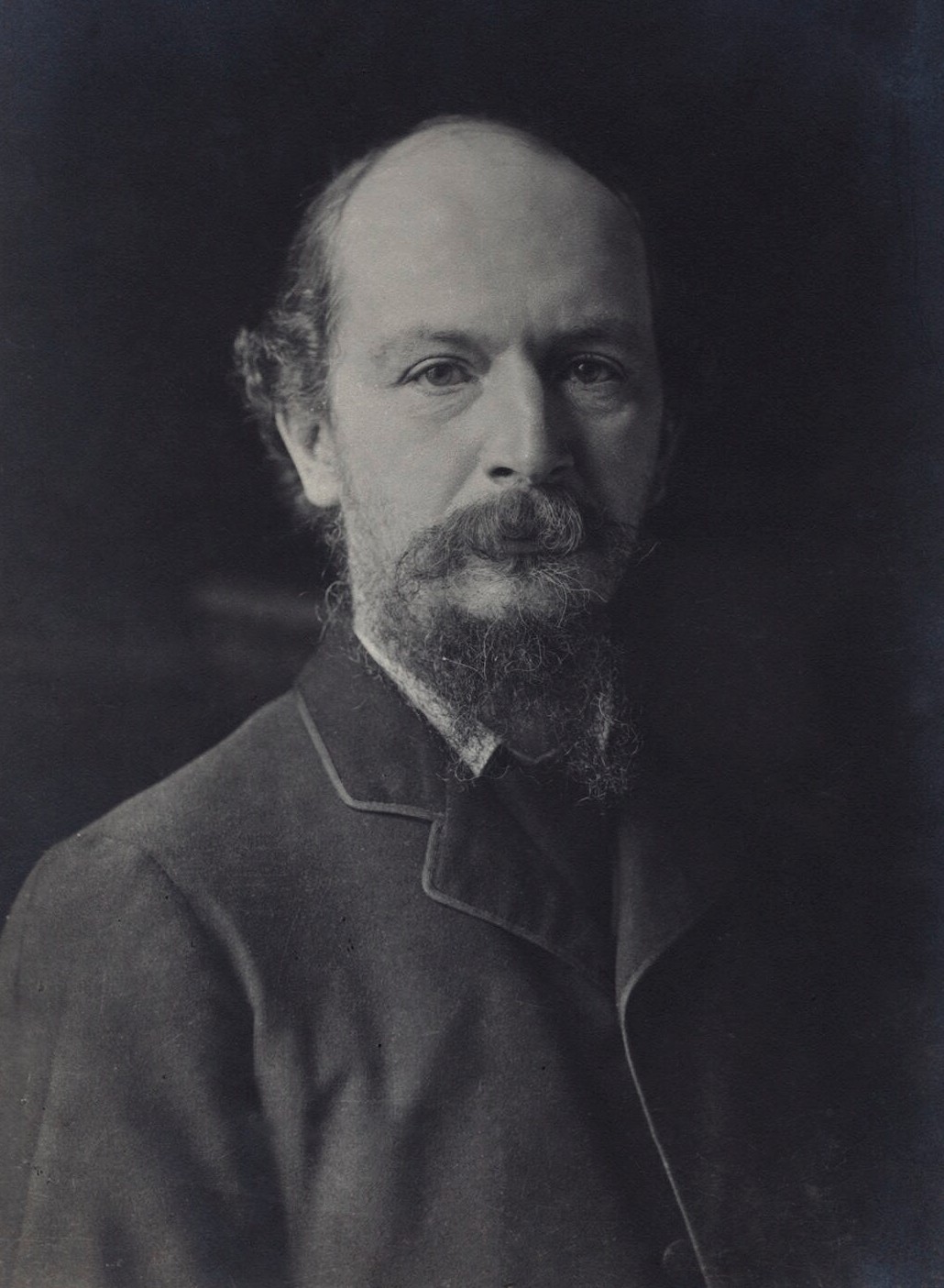
Algernon Charles Swinburne
1837-1909
Robert Browning
Robert Browning
1812-1889
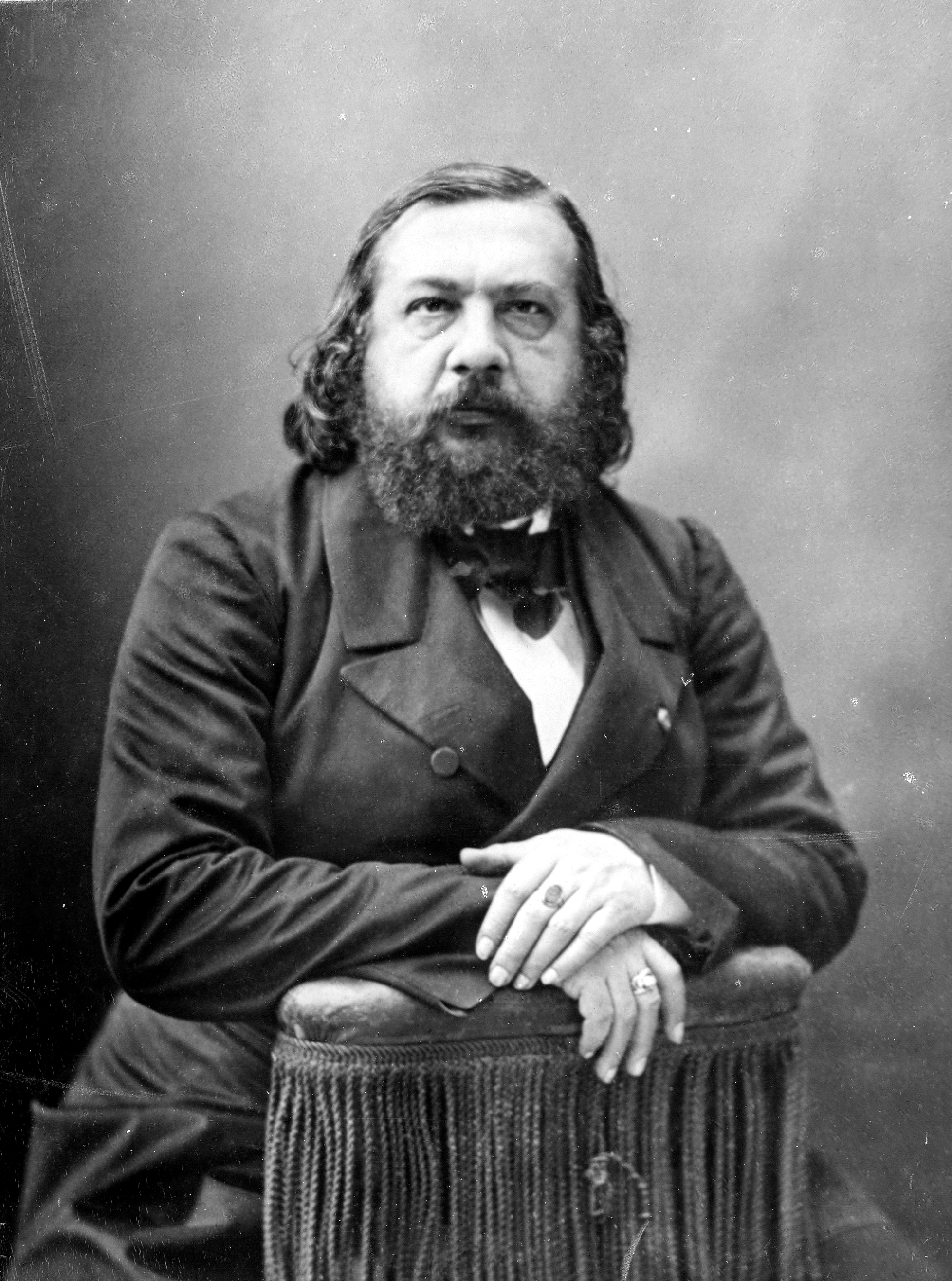
Théophile Gautier
Théophile Gautier
1811-1872
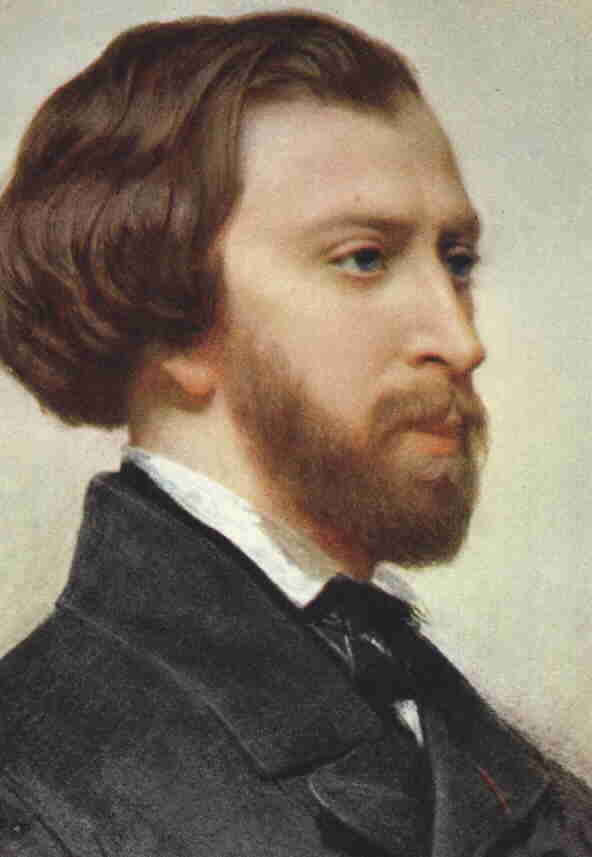
Alfred de Musset
Alfred de Musset
1810-1857
Alfred Tennyson, Baron Tennyson
1809-1892
Johan Ludvig Runeberg
1804-1877
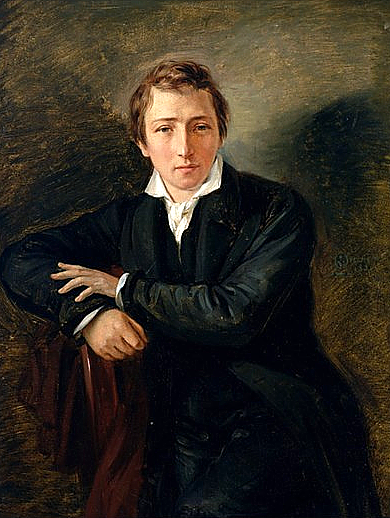
Heinrich Heine
Heinrich Heine
1797-1856
George Saintsbury
George Saintsbury
1845-1933
Judith Gautier
Judith Gautier
1845-1917
Walter Crane
Walter Crane
1845-1915
Anatole France
Anatole France
1844-1924
Antero de Quental
Antero de Quental
1842-1891
François Coppée
François Coppée
1842-1908
Georges Ohnet
Georges Ohnet
1848-1918
Jean Aicard
Jean Aicard
1848-1921
James Whitcomb Riley
1849-1916

Link to this page

Add a free, dofollow link to Lex on your blog, forum, syllabus, or reading list.

Epiphanius Wilson on Lex
HTML
<a href="https://lex-books.com/author/epiphanius-wilson"><img src="https://lex-books.com/badges/read-on-lex.svg" alt="Epiphanius Wilson on Lex" width="160" height="40"></a>
Markdown
[![Epiphanius Wilson on Lex](https://lex-books.com/badges/read-on-lex.svg)](https://lex-books.com/author/epiphanius-wilson)
BBCode
[url=https://lex-books.com/author/epiphanius-wilson][img]https://lex-books.com/badges/read-on-lex.svg[/img][/url]
Plain link
Epiphanius Wilson on Lex: https://lex-books.com/author/epiphanius-wilson