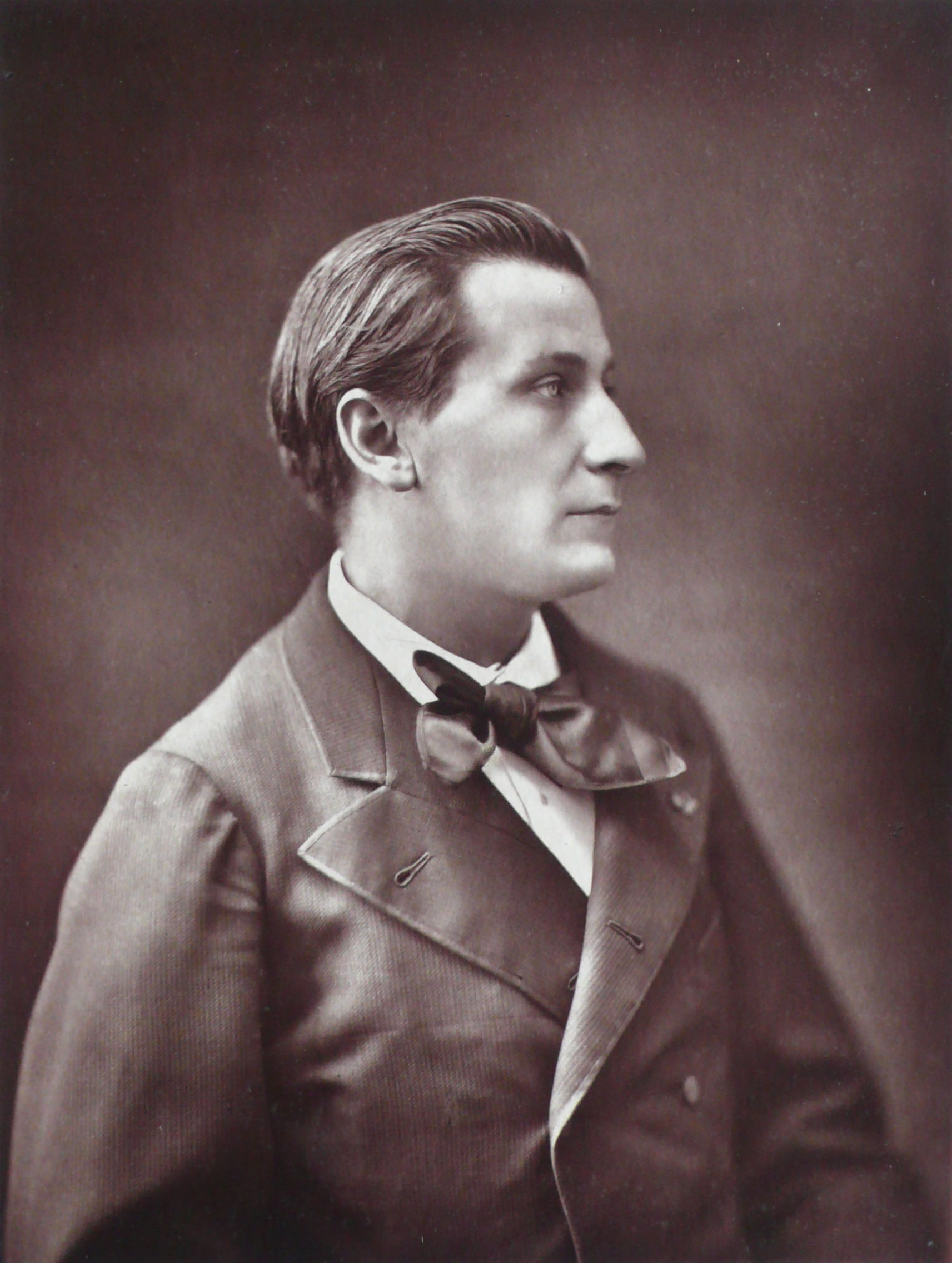
François Coppée
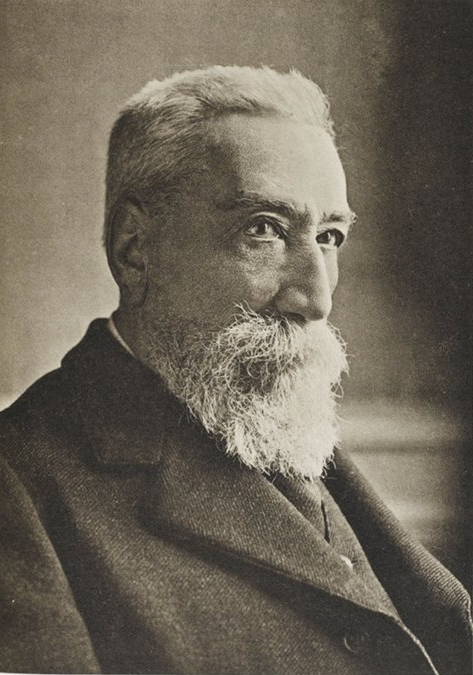
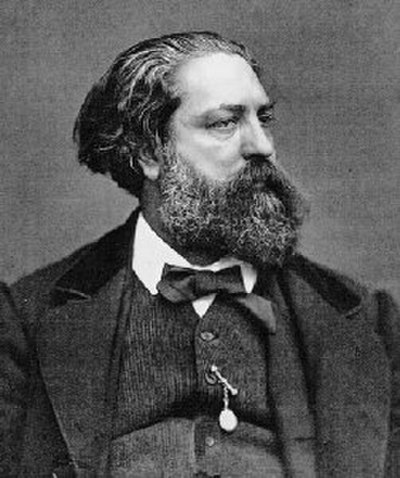
François Coppée was a French poet, novelist, and playwright, known for his poignant explorations of human emotion and social issues. Born in Paris, he began his literary career in the mid-19th century, gaining recognition for his lyrical poetry that often reflected themes of love, loss, and the struggles of the working class. His notable works include 'Le Pater' and 'La Grève des forgerons,' the latter of which is a powerful drama that highlights the plight of laborers and the complexities of class conflict in industrial society. Coppée's literary significance lies in his ability to blend romanticism with realism, making him a pivotal figure in the transition between these two movements. His works were characterized by their emotional depth and social consciousness, earning him a place among the prominent literary figures of his time. In addition to his poetry and plays, he also wrote novels such as 'L'Exil' and 'La Débâcle,' which further showcased his narrative skill and commitment to addressing contemporary social issues. Coppée's legacy endures as a voice for the marginalized and a chronicler of the human experience, influencing later generations of writers and poets in France and beyond.
Famous Quotes
View all 3 quotes“Je serai poéte et toi poésie””
“بعض الناس يحتقرون المذنب ويزدرونه .. لا ﻷنهم أطهار أبرياء كما يزعمون .. بل ليوهموا الناس أنهم غير مذنبين ".””
“I’ll be a poet, and you’ll be poetry.””
Books from the author


Link to this page
Add a free, dofollow link to Lex on your blog, forum, syllabus, or reading list.

<a href="https://lex-books.com/author/françois-coppée"><img src="https://lex-books.com/badges/read-on-lex.svg" alt="François Coppée on Lex" width="160" height="40"></a>[](https://lex-books.com/author/françois-coppée)[url=https://lex-books.com/author/françois-coppée][img]https://lex-books.com/badges/read-on-lex.svg[/img][/url]François Coppée on Lex: https://lex-books.com/author/françois-coppée