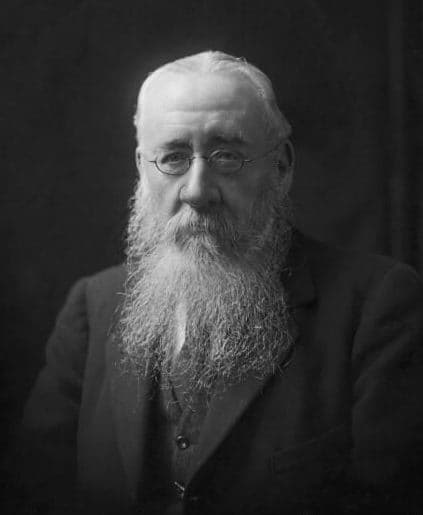
George Saintsbury
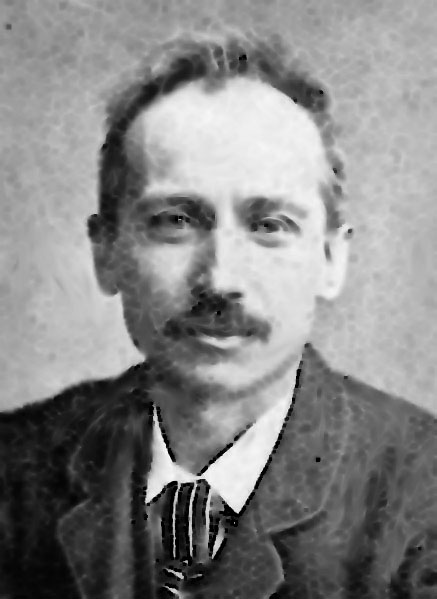
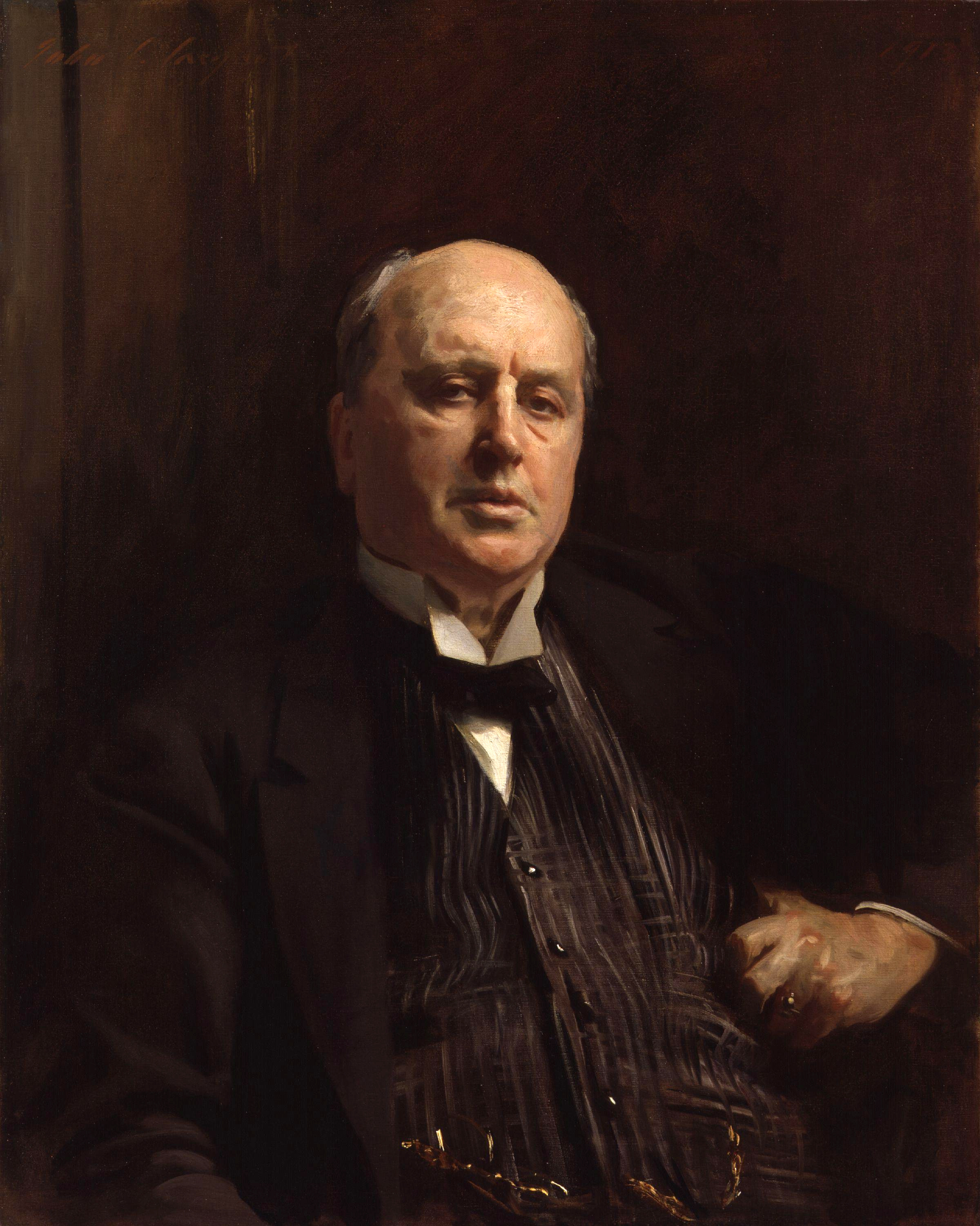
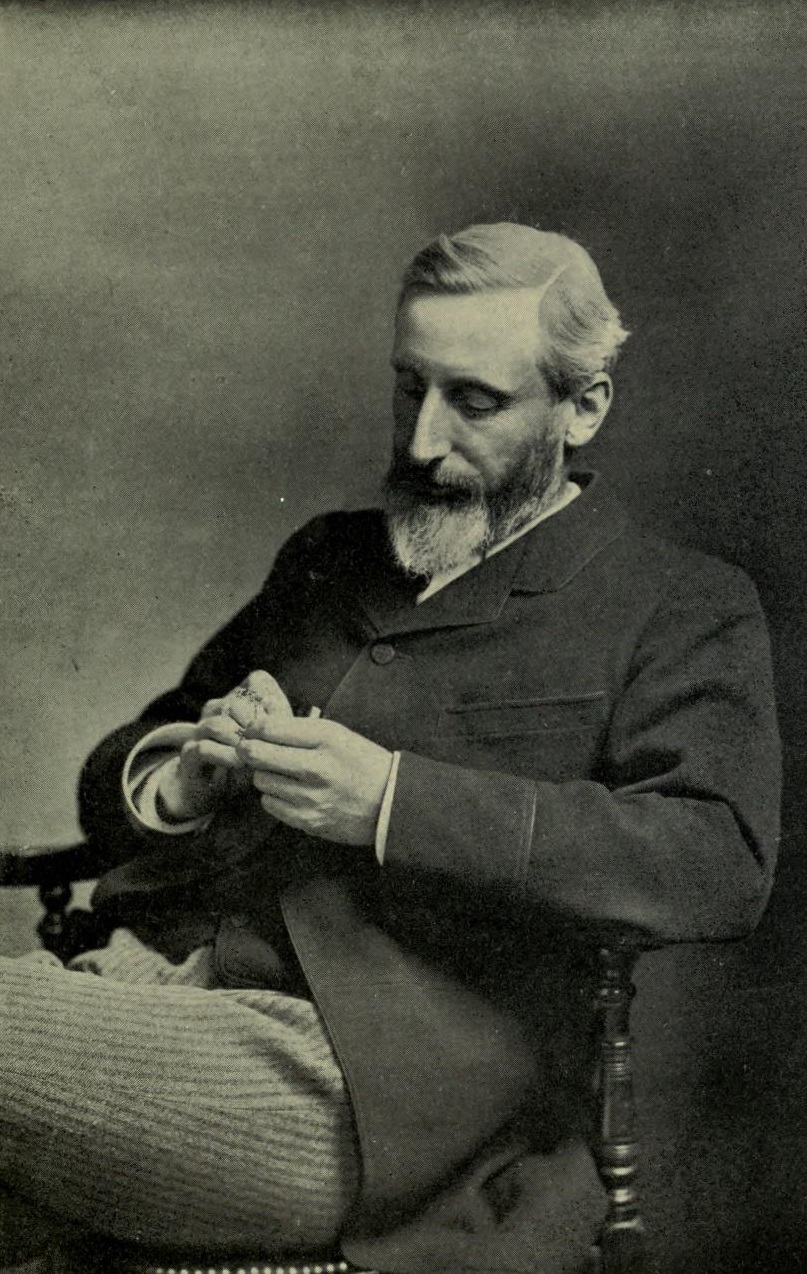
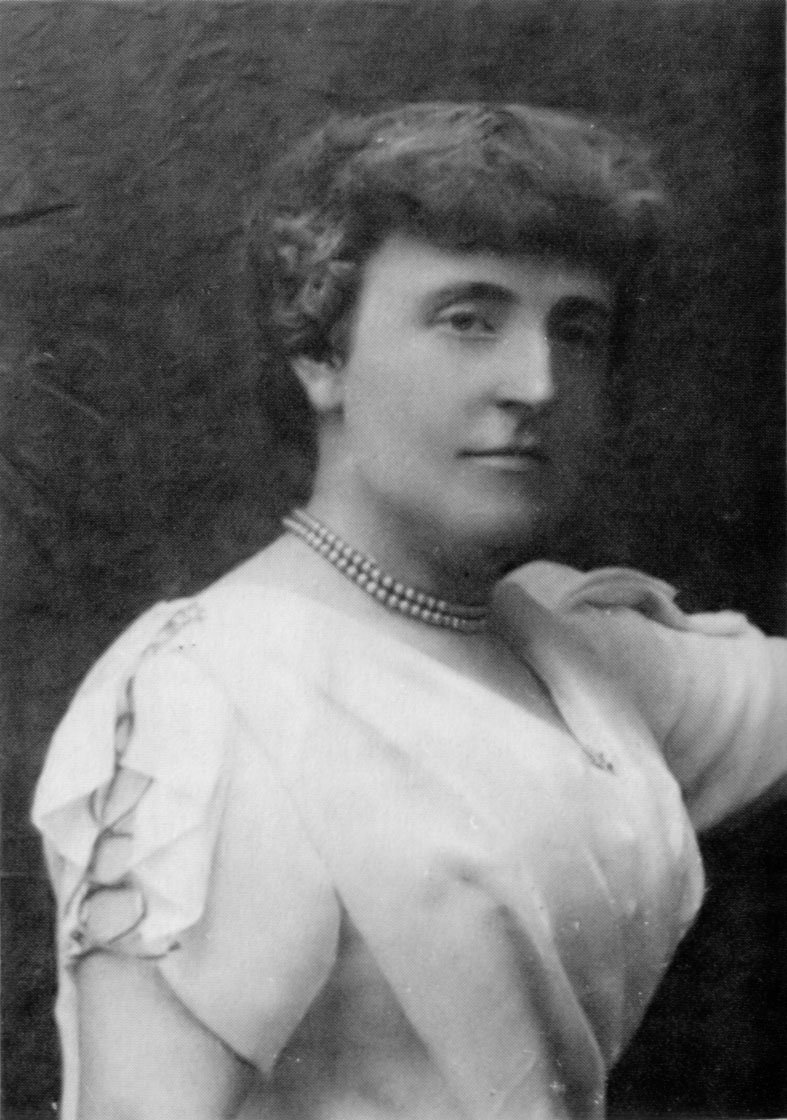
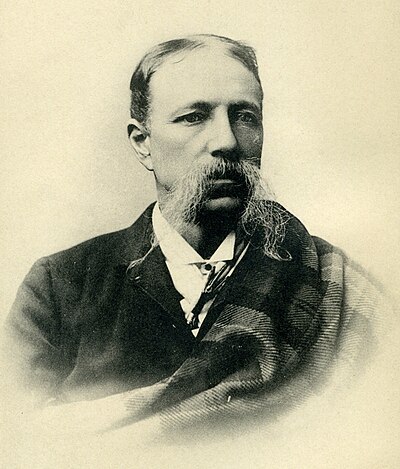
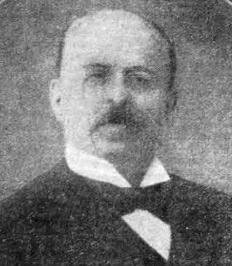
George Saintsbury was an influential English critic and literary historian, renowned for his extensive contributions to literary criticism during the late-19th and early-20th centuries. He served as a professor of English literature at the University of Edinburgh, where he shaped the study of English literature and introduced innovative approaches to literary analysis. His notable works include 'A History of English Literature,' which provided a comprehensive overview of English literary development, and 'The English Novel,' where he examined the evolution of the novel as a form. Saintsbury's writing was characterized by its clarity and depth, making complex literary concepts accessible to a broader audience. In addition to his literary pursuits, Saintsbury was a passionate wine connoisseur, authoring 'Notes on a Cellar-Book,' which combined his love for literature and wine. His dual interests reflected a broader cultural engagement that distinguished him from his contemporaries. Saintsbury's critical insights and historical perspectives significantly influenced the field of literary studies, earning him a lasting legacy as a key figure in the development of modern literary criticism. His work not only documented the evolution of literature but also contributed to the appreciation of literary art in the academic sphere.
Famous Quotes
View all 3 quotes“Nothing is more curious than the almost savage hostility that humor excites in those who lack it.”
“Nothing is more curious than the almost savage hostility that humour excites in those who lack it.”
“Never judge a critic by your agreement with his likes and dislikes.”
Books from the author









Link to this page
Add a free, dofollow link to Lex on your blog, forum, syllabus, or reading list.

<a href="https://lex-books.com/author/george-saintsbury"><img src="https://lex-books.com/badges/read-on-lex.svg" alt="George Saintsbury on Lex" width="160" height="40"></a>[](https://lex-books.com/author/george-saintsbury)[url=https://lex-books.com/author/george-saintsbury][img]https://lex-books.com/badges/read-on-lex.svg[/img][/url]George Saintsbury on Lex: https://lex-books.com/author/george-saintsbury