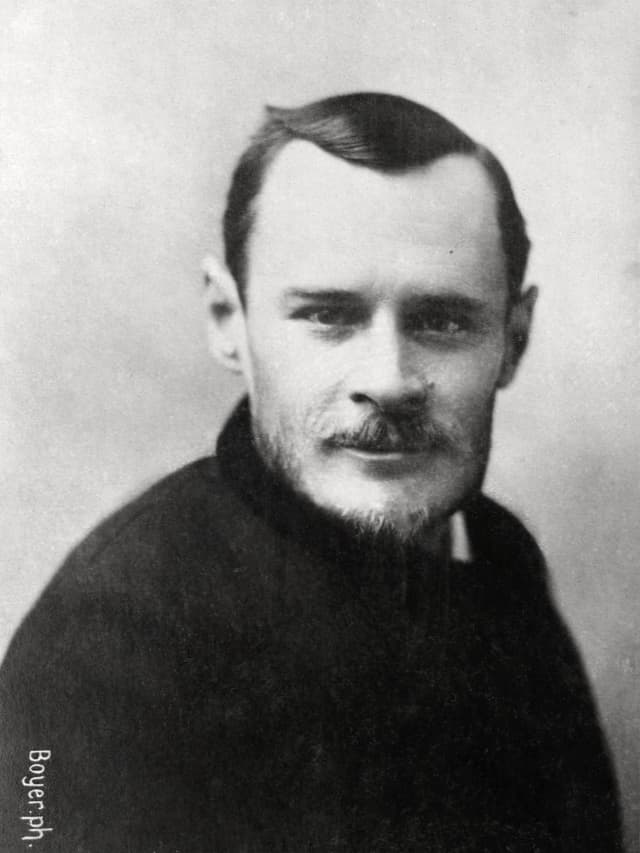
Georges Ohnet
Georges Ohnet was a French novelist known for his contributions to the literary landscape of the late 19th and early 20th centuries. Born in Paris, he became a prominent figure in the literary scene, particularly recognized for his works that often explored themes of love, ambition, and social dynamics. Ohnet's novels, such as "La Grande Marquise" and "Le Maître de Forges," showcased his ability to weave intricate narratives that reflected the complexities of human relationships and societal expectations. His writing style was characterized by a blend of realism and romanticism, which resonated with readers of his time. Ohnet's significance lies not only in his storytelling but also in his role as a chronicler of the evolving French society during a period marked by industrialization and changing social mores. His works often highlighted the struggles of individuals against the backdrop of societal norms, making him a precursor to later literary movements that would delve deeper into psychological and social issues. Despite being overshadowed by contemporaries, Ohnet's influence on the genre of the novel and his exploration of character-driven narratives have left a lasting legacy in French literature.
Famous Quotes
View all 2 quotes“Thousands of stars were twinkling in the sky, and the eyes of Micheline and Pierre were lifted toward the dark blue heavens seeking vaguely for the star which presided over their destiny. She, to know whether her life would be the long poem of love of which she dreamed;”
“If Pierre had spoken like that before going away, who knows? Micheline's feelings might have been quickened. No doubt she would have loved him. It would have come naturally. But Pierre had kept the secret of his passion for the young girl to himself. It was only despair, and the thought of losing her, that made him give vent to his feelings now.”
Books from the author



Link to this page
Add a free, dofollow link to Lex on your blog, forum, syllabus, or reading list.

<a href="https://lex-books.com/author/georges-ohnet"><img src="https://lex-books.com/badges/read-on-lex.svg" alt="Georges Ohnet on Lex" width="160" height="40"></a>[](https://lex-books.com/author/georges-ohnet)[url=https://lex-books.com/author/georges-ohnet][img]https://lex-books.com/badges/read-on-lex.svg[/img][/url]Georges Ohnet on Lex: https://lex-books.com/author/georges-ohnet