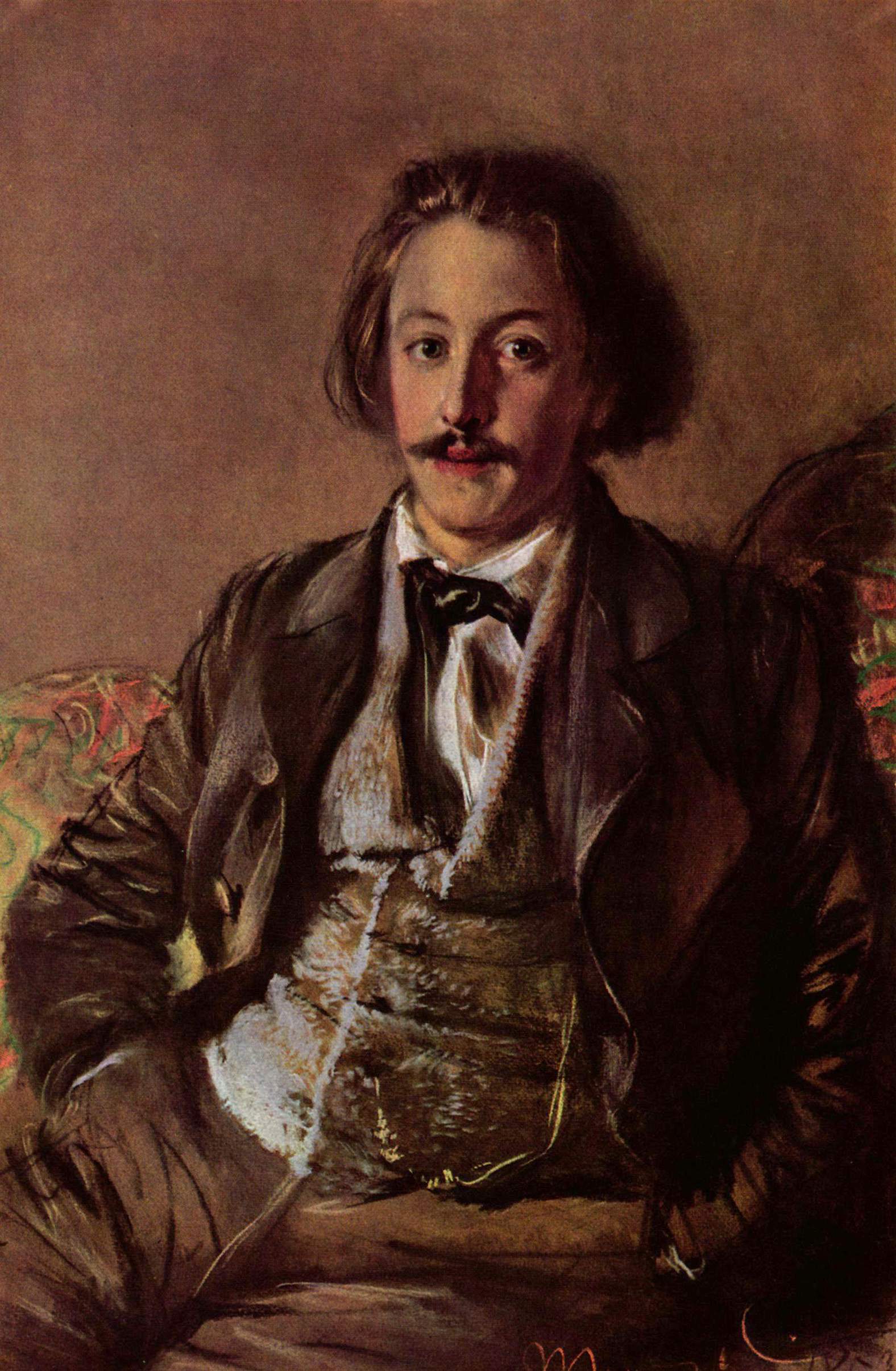
Emmanouel D. Rhoides
Emmanouel D. Rhoides was a prominent Greek writer, journalist, and translator, recognized as a pivotal figure in 19th century Modern Greek literature. Born in the mid-1830s, he made significant contributions to the literary landscape of Greece through a diverse body of work that included novels, short stories, essays, and translations. His most acclaimed work, 'The Papess Joanne,' explores themes of gender and power, presenting a controversial narrative that captivated audiences and earned him international acclaim across Europe. This novel not only showcased Rhoides' narrative skill but also sparked discussions about the role of women in history and society, marking him as a forward-thinking author of his time. Rhoides' literary significance extends beyond his most famous work; he played a crucial role in shaping modern Greek literature and was instrumental in the cultural dialogue of his era. His writings often reflected the complexities of Greek identity and the socio-political landscape of the 19th century. Through his journalism and translations, he contributed to the dissemination of ideas and literature, further cementing his legacy as a key figure in the evolution of Greek literature. Rhoides' influence continues to be felt, as his works remain a vital part of the study of Greek literary history.
Books from the author













Link to this page
Add a free, dofollow link to Lex on your blog, forum, syllabus, or reading list.

<a href="https://lex-books.com/author/emmanouel-d-rhoides"><img src="https://lex-books.com/badges/read-on-lex.svg" alt="Emmanouel D. Rhoides on Lex" width="160" height="40"></a>[](https://lex-books.com/author/emmanouel-d-rhoides)[url=https://lex-books.com/author/emmanouel-d-rhoides][img]https://lex-books.com/badges/read-on-lex.svg[/img][/url]Emmanouel D. Rhoides on Lex: https://lex-books.com/author/emmanouel-d-rhoides