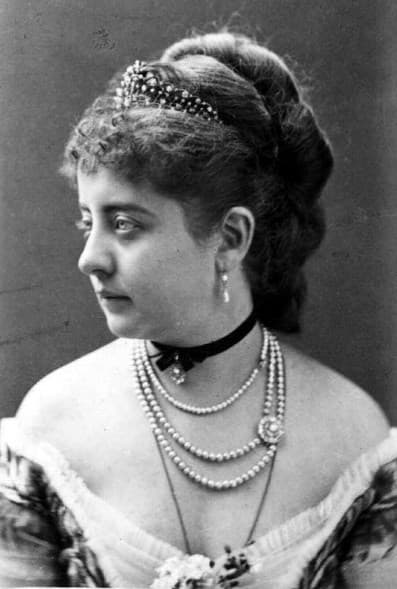
Ouida
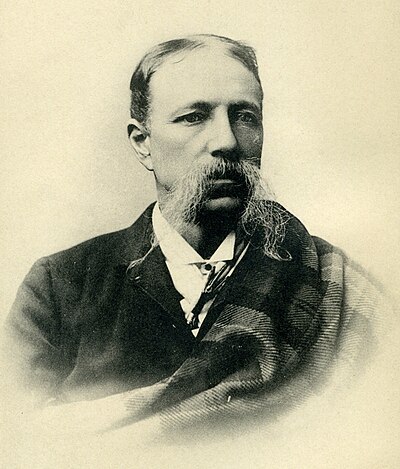
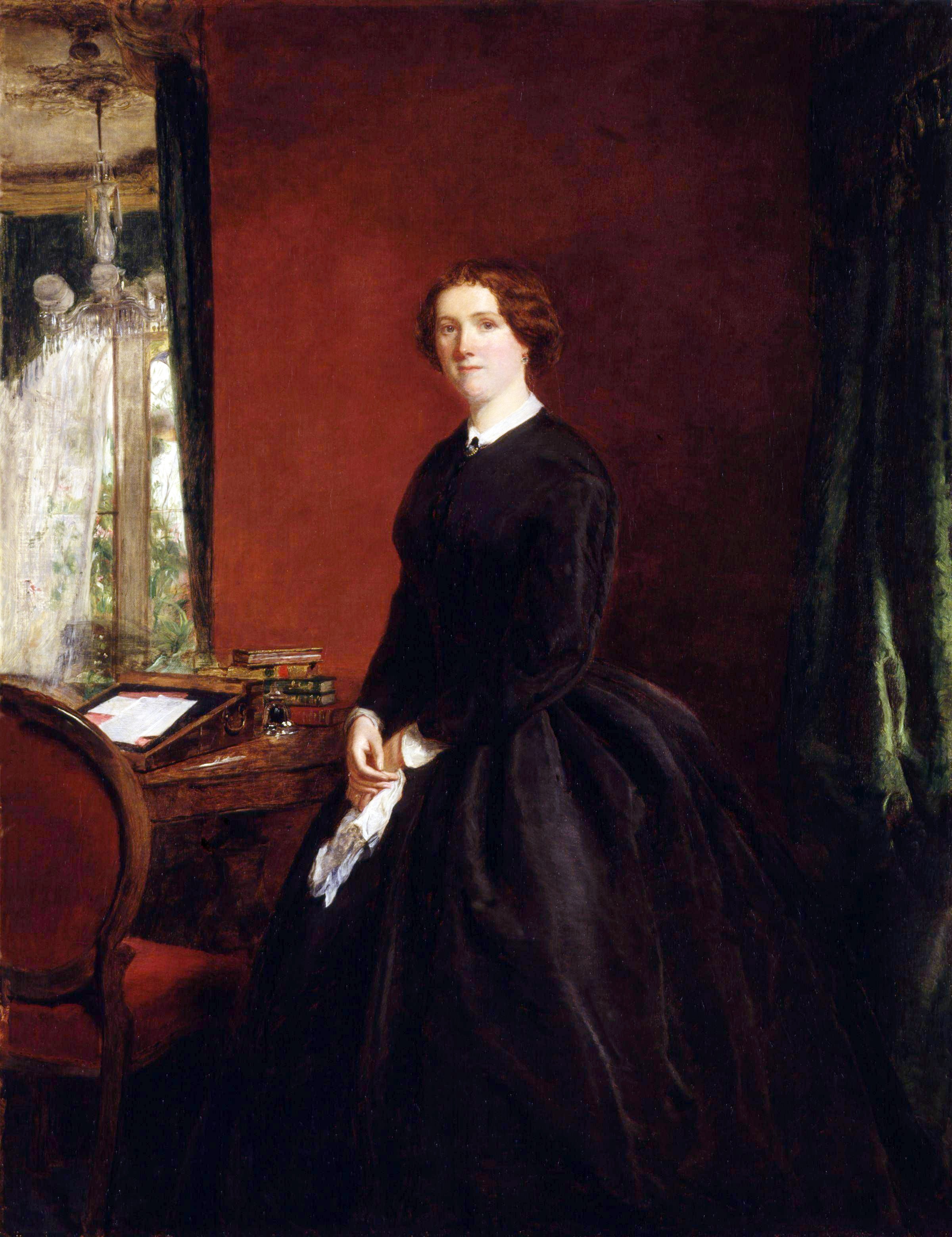
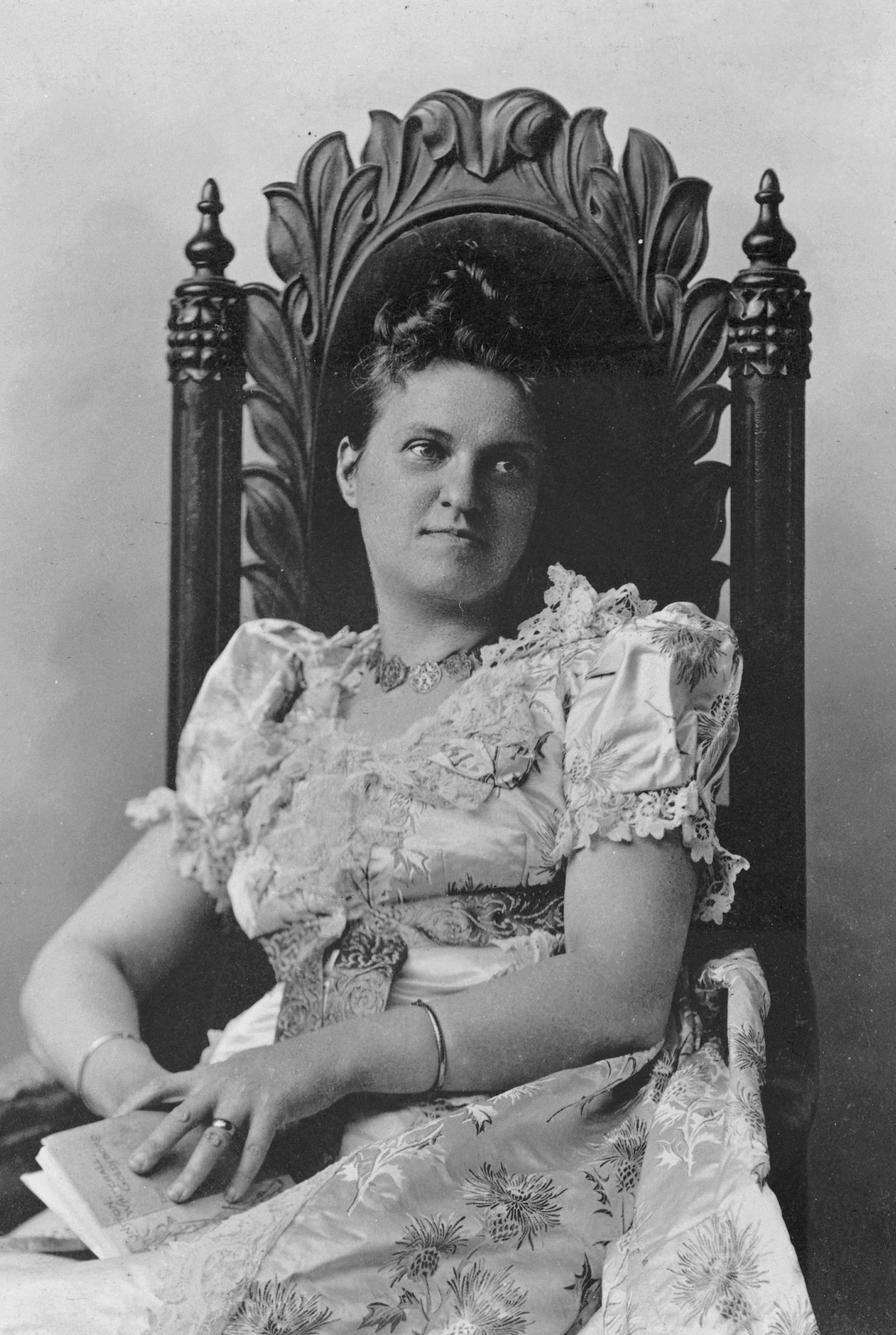
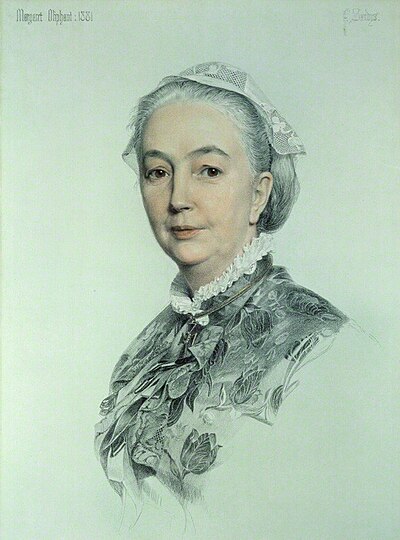
Ouida, the pen name of Maria Louise Ramé, was a prominent English novelist known for her vivid storytelling and strong female characters. Born in 1839 in Bury St. Edmunds, she began her literary career at a young age, quickly gaining popularity for her novels that often explored themes of love, society, and the struggles of women in the Victorian era. Her most notable works include 'Under Two Flags,' 'Puck,' and 'A Dog of Flanders,' which showcased her ability to blend romance with social commentary and her deep affection for animals, particularly dogs. Ouida's writing style was characterized by its lush prose and emotional depth, making her a favorite among readers of her time. However, she was also a controversial figure, often criticized for her extravagant lifestyle and her views on social issues, including her advocacy for animal rights. Despite the mixed reception of her work, Ouida's influence on the genre of romantic fiction and her role in shaping the portrayal of strong female protagonists cannot be understated. Her legacy endures, as her novels continue to be read and appreciated for their rich narrative and insight into the human condition.
Famous Quotes
View all 3 quotes“Intensely selfish people are always very decided as to what they wish. They do not waste their energies in considering the good of others.”
“I do not wish to be a coward like the father of mankind and throw the blame upon a woman.”
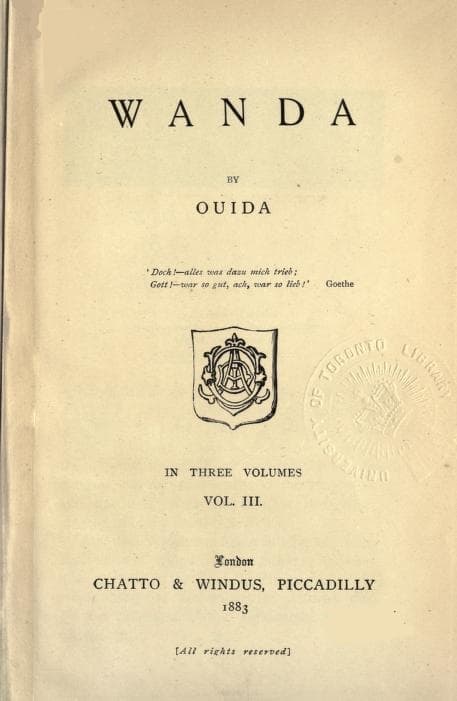
“Woman's fatal weakness is to desire sympathy and comprehension. --"Wanda”
Books from the author

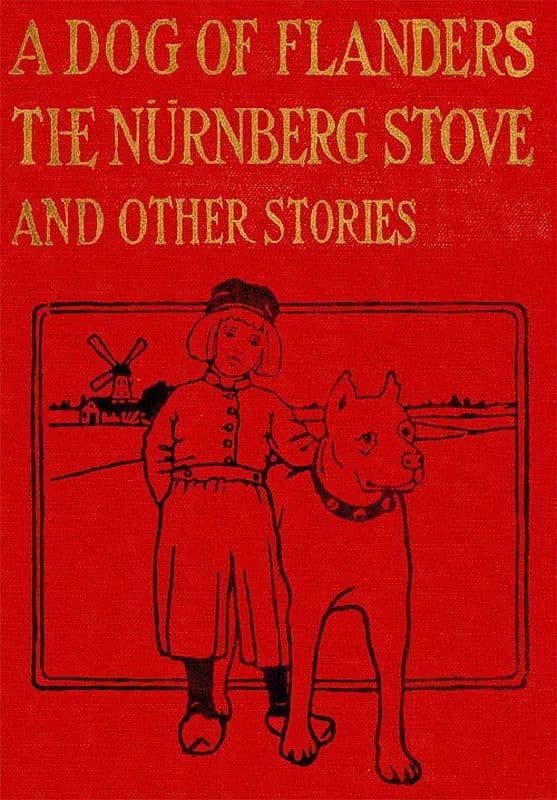





Link to this page
Add a free, dofollow link to Lex on your blog, forum, syllabus, or reading list.

<a href="https://lex-books.com/author/ouida"><img src="https://lex-books.com/badges/read-on-lex.svg" alt="Ouida on Lex" width="160" height="40"></a>[](https://lex-books.com/author/ouida)[url=https://lex-books.com/author/ouida][img]https://lex-books.com/badges/read-on-lex.svg[/img][/url]Ouida on Lex: https://lex-books.com/author/ouida