
Jonas Lie
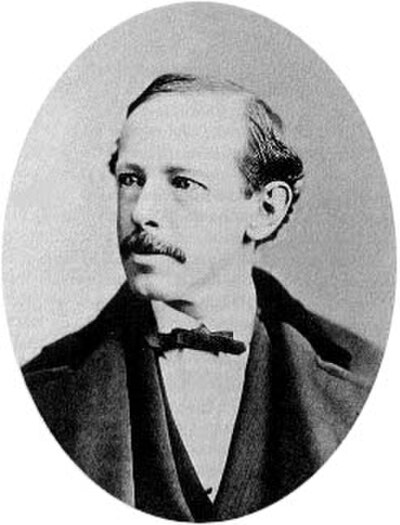
Jonas Lie was a prominent Norwegian novelist, poet, and playwright, recognized as one of the leading figures in 19th-century Norwegian literature alongside contemporaries such as Henrik Ibsen and Bjørnstjerne Bjørnson. Born in a coastal town, Lie's upbringing in Norway's picturesque landscapes deeply influenced his writing, which often explored themes of nature, identity, and the human condition. His literary career began in the 1860s, and he gained acclaim for his vivid storytelling and rich character development, particularly in works like 'The Family at Gilje' and 'The Last of the Vikings.' Lie's significance lies not only in his contributions to the novel form but also in his ability to capture the essence of Norwegian life and culture during a time of great social change. His works often reflected the struggles and aspirations of the Norwegian people, making him a key figure in the national literary movement. Through his innovative narrative techniques and exploration of psychological depth, Lie paved the way for future generations of writers. His legacy endures as a foundational voice in Norwegian literature, celebrated for both his artistic achievements and his role in shaping the literary landscape of his time.
Famous Quotes
View all 1 quotes“Men, - men, - jo mer han så i det, jo klarere gikk det opp for ham, at det, når alt kom til alt, dog var der, - i kjærligheten - og merkelig nok ikke i hans embedskarriere eller stolte opposisjon, - at han hadde levd sitt egentlige innerste, dypeste liv gjennom sorg og glede.”
Books from the author






Link to this page
Add a free, dofollow link to Lex on your blog, forum, syllabus, or reading list.

<a href="https://lex-books.com/author/jonas-lie"><img src="https://lex-books.com/badges/read-on-lex.svg" alt="Jonas Lie on Lex" width="160" height="40"></a>[](https://lex-books.com/author/jonas-lie)[url=https://lex-books.com/author/jonas-lie][img]https://lex-books.com/badges/read-on-lex.svg[/img][/url]Jonas Lie on Lex: https://lex-books.com/author/jonas-lie