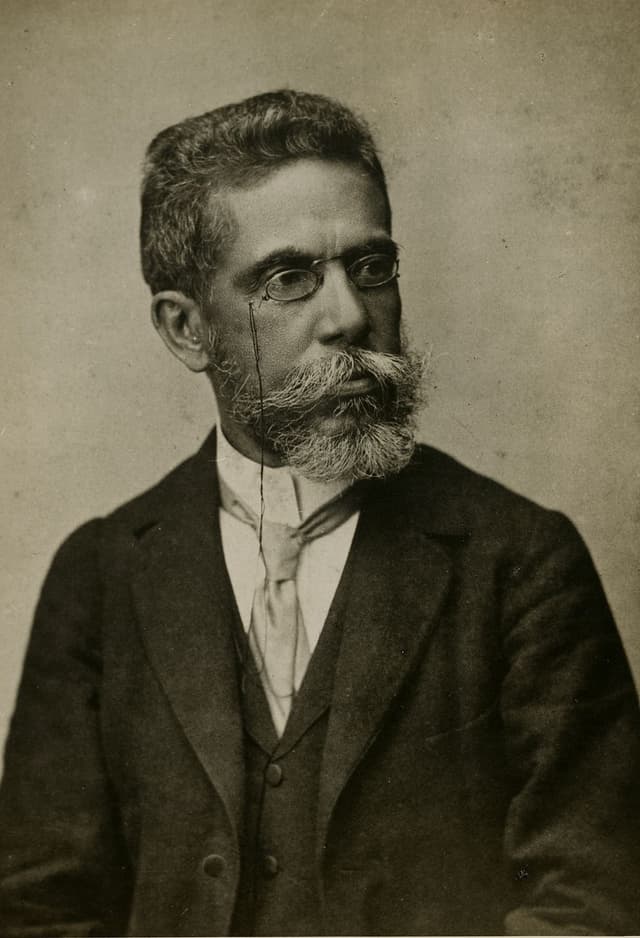
Machado de Assis
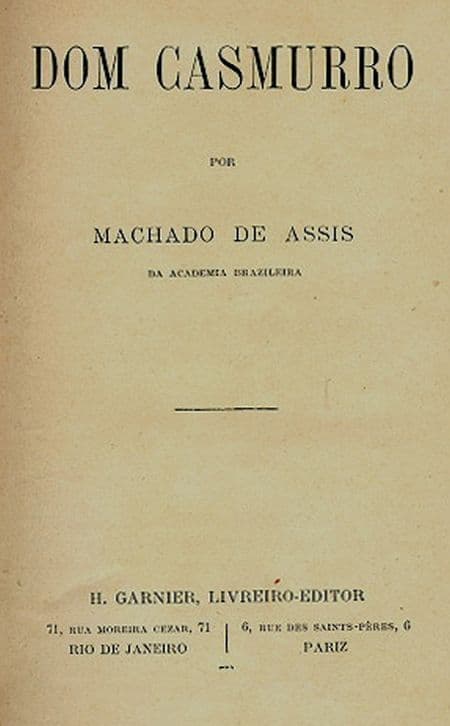
Machado de Assis was a Brazilian novelist, poet, playwright, and literary critic, widely regarded as one of the most important writers in Brazilian literature and a pioneer of modernist literature in the Portuguese language. Born in Rio de Janeiro to a poor family of mixed-race descent, he overcame significant social barriers to become a prominent figure in Brazilian intellectual life. His early works were influenced by Romanticism, but he later embraced a more realist and psychological approach, which is evident in his most celebrated novels, such as 'Dom Casmurro' and 'Memórias Póstumas de Brás Cubas'. These works are notable for their innovative narrative techniques, including unreliable narration and a deep exploration of the human psyche, which set them apart from the literature of his time. De Assis's literary significance extends beyond his stylistic innovations; he also tackled complex themes such as identity, social inequality, and the intricacies of human relationships. His unique perspective as a mulatto in a racially stratified society informed much of his work, allowing him to critique the social norms of 19th-century Brazil. His legacy endures not only through his influential writings but also through his role as a founding member of the Brazilian Academy of Letters, where he served as its first president. Machado de Assis's contributions to literature have inspired generations of writers and continue to resonate in discussions of race, class, and narrative form in literature today.
Famous Quotes
View all 3 quotes“To him the stars seemed like so many musical notes affixed to the sky, just waiting for somebody to unfasten them.”
“He felt that there is a loose balance of good and evil, and that the art of living consists in getting the greatest good out of the greatest evil.”
“Marcela amou-me durante quinze meses e onze contos de réis”
Books from the author



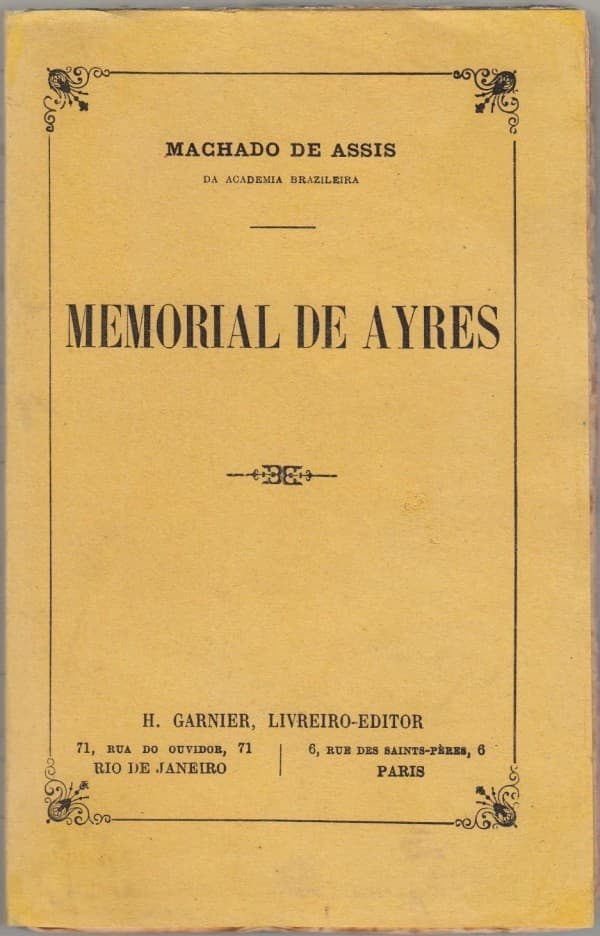
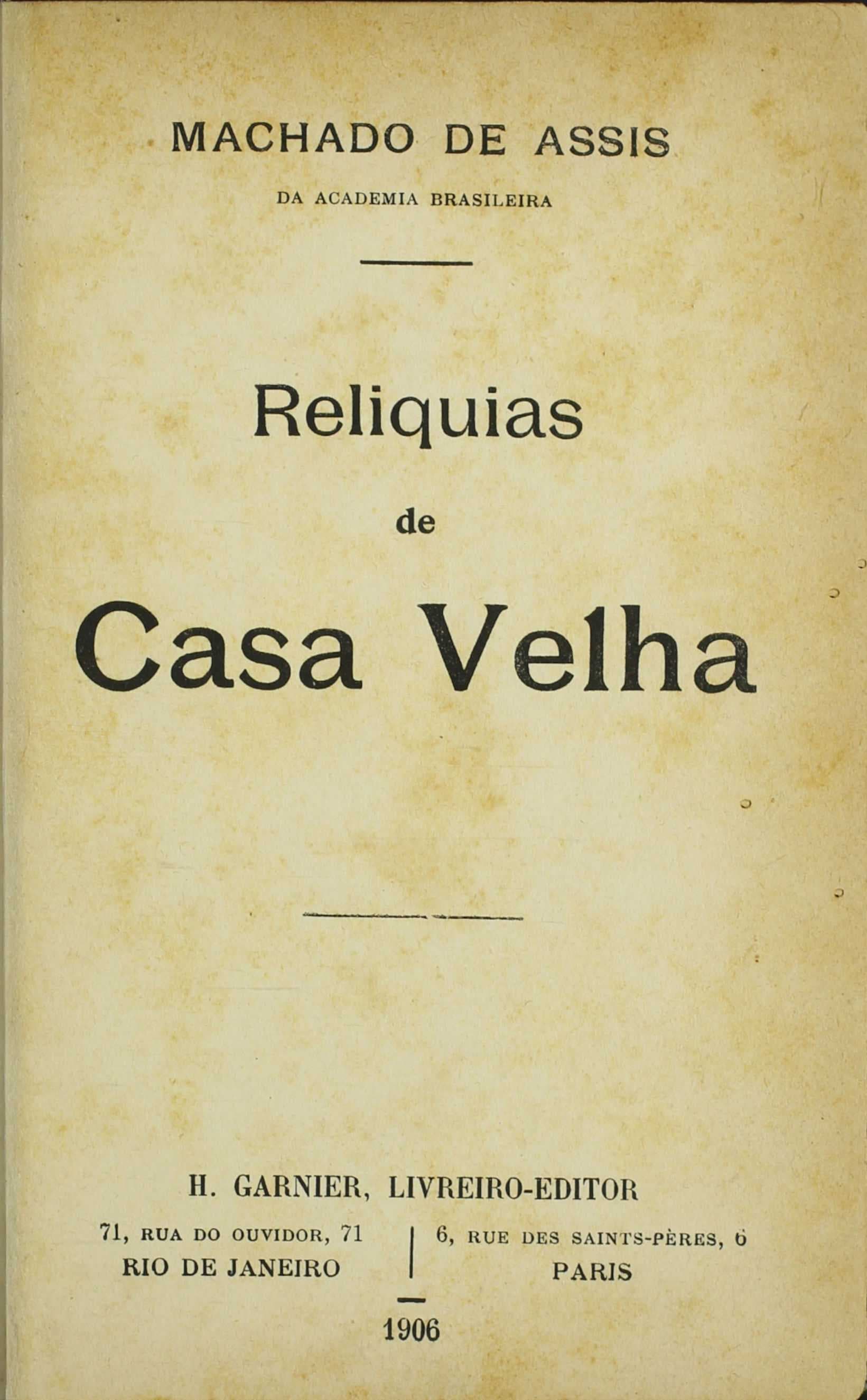
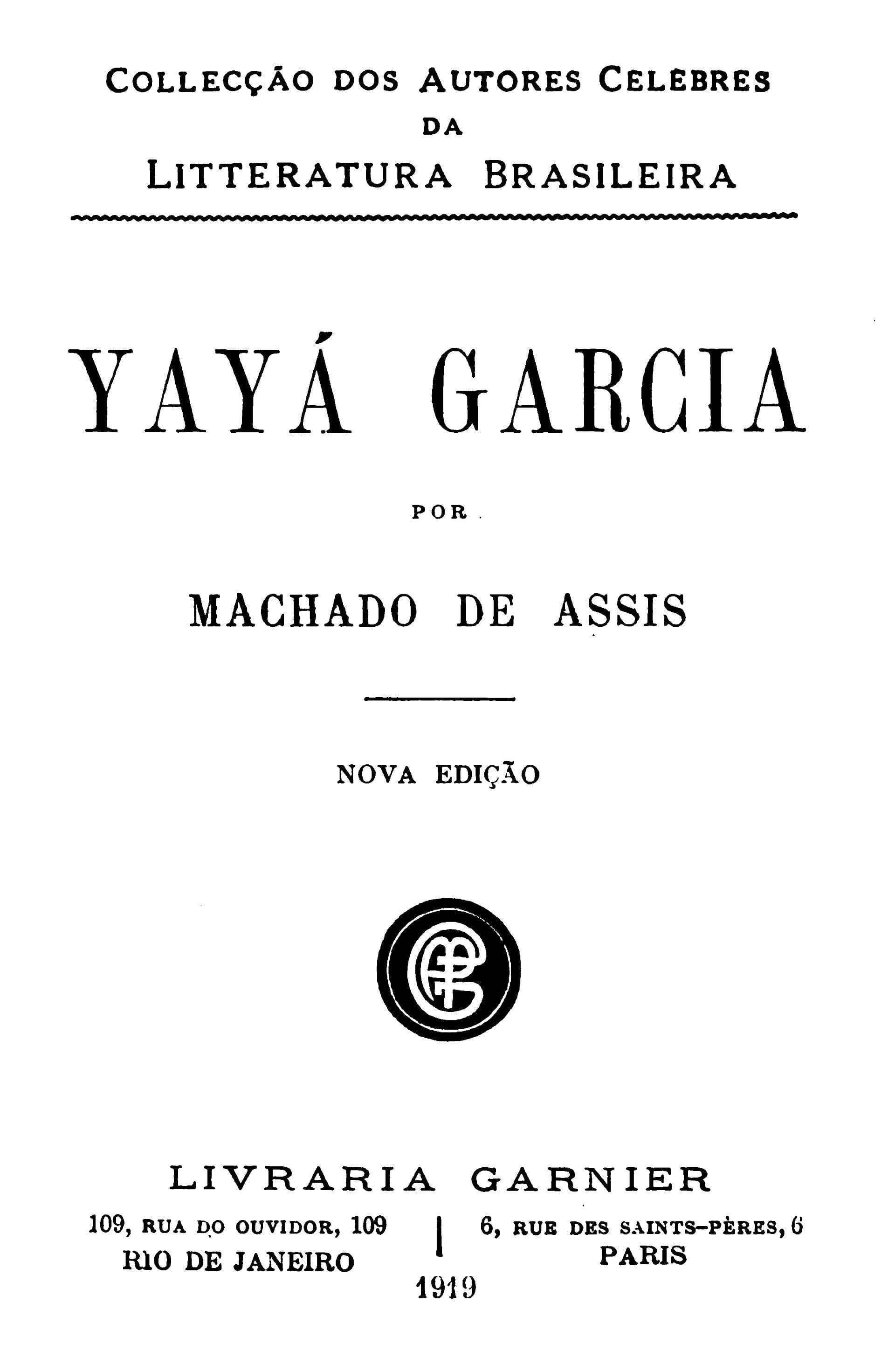




Link to this page
Add a free, dofollow link to Lex on your blog, forum, syllabus, or reading list.

<a href="https://lex-books.com/author/machado-de-assis"><img src="https://lex-books.com/badges/read-on-lex.svg" alt="Machado de Assis on Lex" width="160" height="40"></a>[](https://lex-books.com/author/machado-de-assis)[url=https://lex-books.com/author/machado-de-assis][img]https://lex-books.com/badges/read-on-lex.svg[/img][/url]Machado de Assis on Lex: https://lex-books.com/author/machado-de-assis