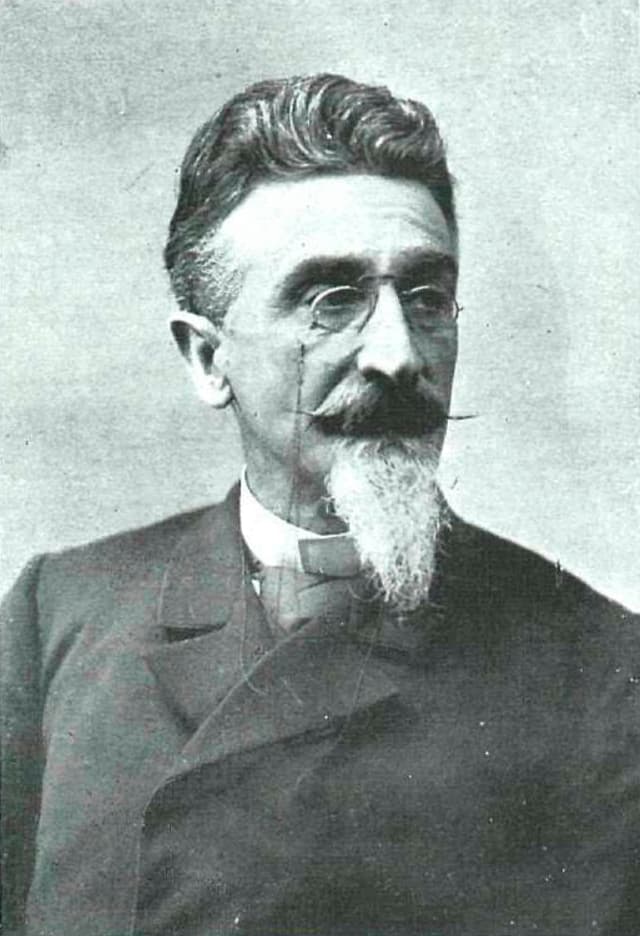
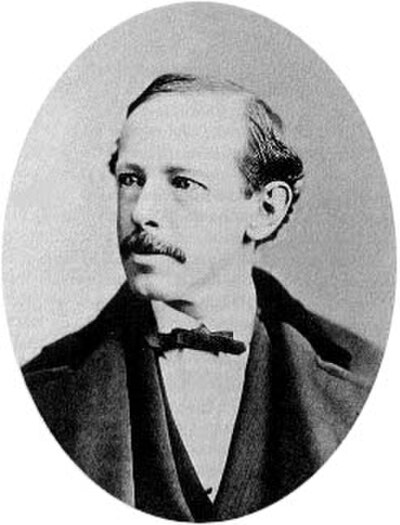
José María de Pereda
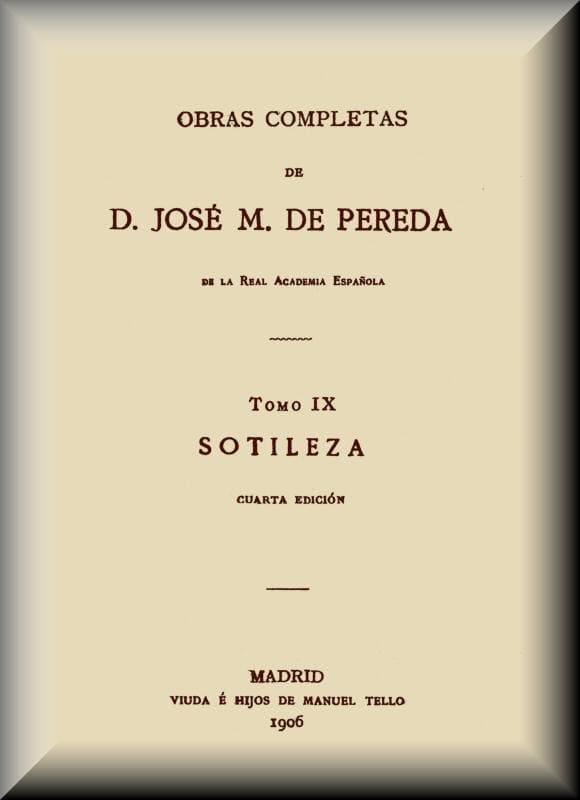
José María de Pereda was a prominent Spanish novelist and a key figure in the literary movement known as the 'costumbrismo,' which focused on the depiction of everyday life and regional customs. Born in the coastal region of Cantabria, Pereda's deep connection to his homeland profoundly influenced his writing. His works often highlighted the beauty of the Cantabrian landscape and the complexities of rural life, showcasing the struggles and resilience of its inhabitants. His most notable novels include 'Sotileza' and 'El sabor de la tierra,' which are celebrated for their rich descriptions and vivid characterizations that bring the local culture to life. Pereda's literary significance lies not only in his vivid storytelling but also in his role as a precursor to the Spanish realist movement. His keen observations of social dynamics and the interplay between tradition and modernity offered a critical lens on Spanish society during a time of great change. He was also a vocal advocate for the preservation of regional identities against the encroaching forces of modernization. Through his work, Pereda left a lasting legacy that influenced later generations of writers, solidifying his place in the canon of Spanish literature as a master of regional narrative and a champion of the rural experience.
Famous Quotes
View all 9 quotes“-Lo que yo necesito, Nisco, para mi venganza -contestó con los ojos arrasados en lágrimas, -son dos corazones, o no haber querido nunca con el que tengo.””
“¡Si parece mentira lo que se ve desde lejos, mirando hacia la tierruca con los ojos del corazón!””
“(...) bebió, sorbo a sorbo, como si le refrescara, más que el agua que bebía, el contacto de aquella piel fina y rosada, misterioso centro en que a la sazón convergían los anhelos de dos almas y la esencia de dos vidas.””
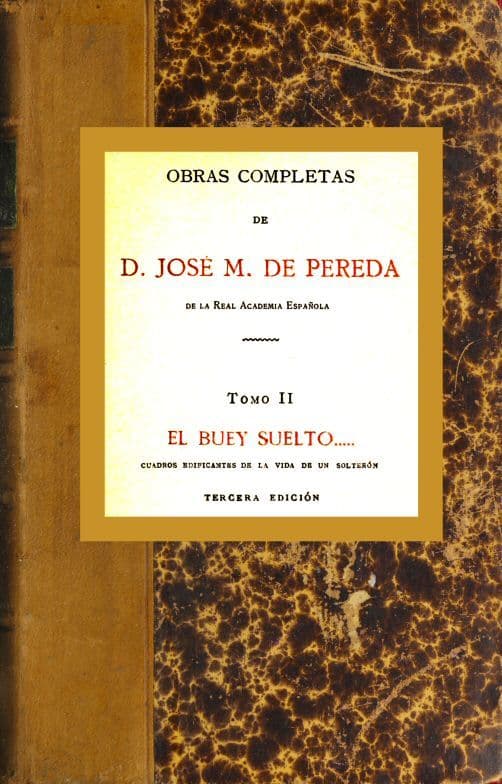
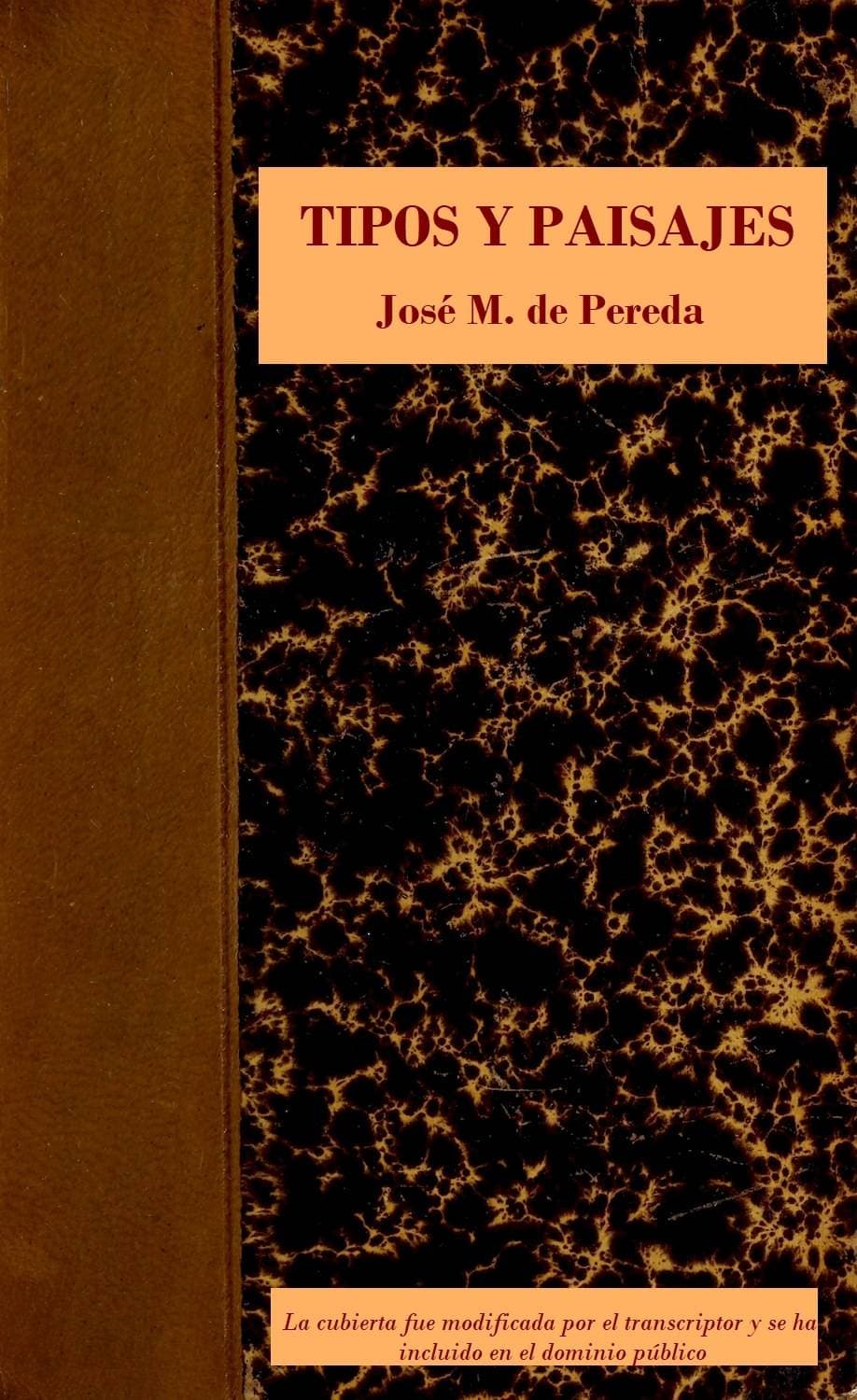
Books from the author

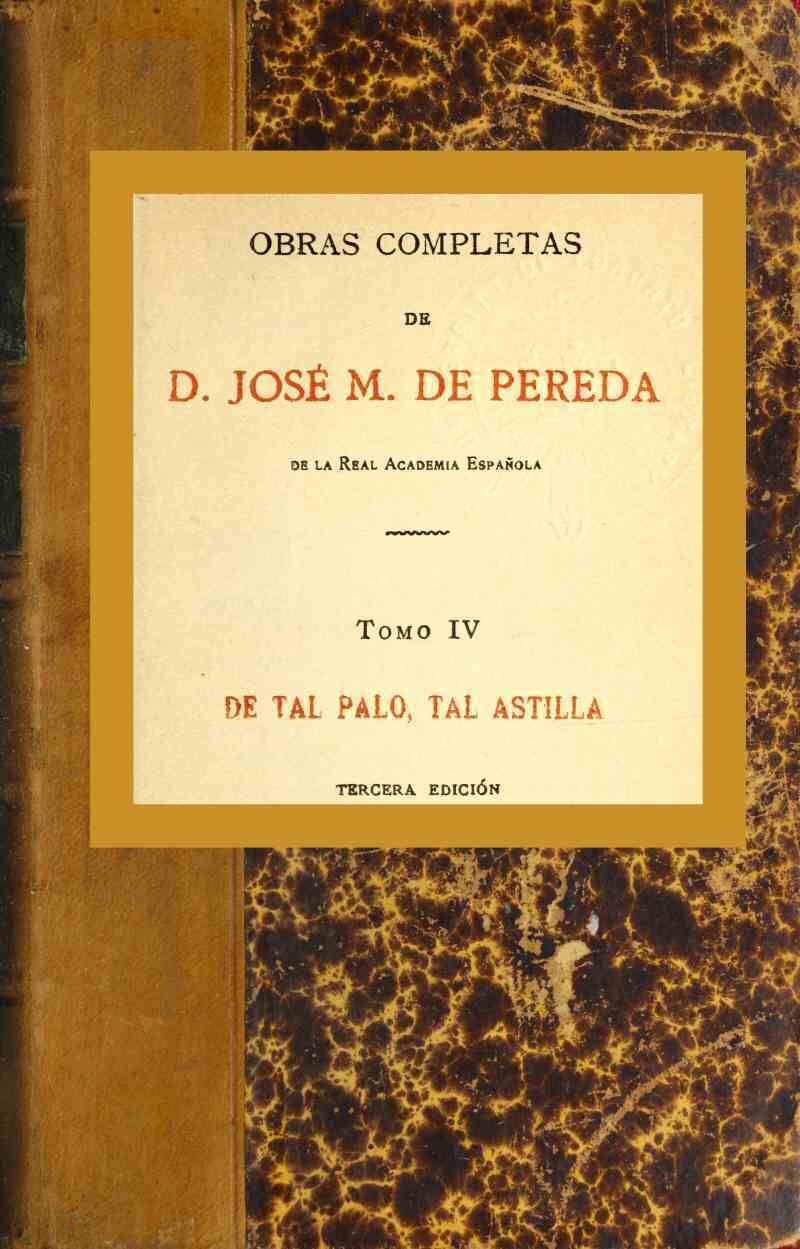



Link to this page
Add a free, dofollow link to Lex on your blog, forum, syllabus, or reading list.

<a href="https://lex-books.com/author/josé-maría-de-pereda"><img src="https://lex-books.com/badges/read-on-lex.svg" alt="José María de Pereda on Lex" width="160" height="40"></a>[](https://lex-books.com/author/josé-maría-de-pereda)[url=https://lex-books.com/author/josé-maría-de-pereda][img]https://lex-books.com/badges/read-on-lex.svg[/img][/url]José María de Pereda on Lex: https://lex-books.com/author/josé-maría-de-pereda