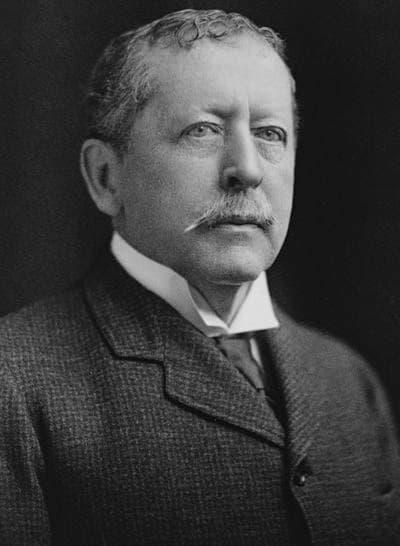
Thomas Bailey Aldrich
Thomas Bailey Aldrich was an influential American writer, poet, critic, and editor, best known for his long tenure as the editor of The Atlantic Monthly. During his editorship, he played a pivotal role in shaping American literature by publishing notable authors, including Charles W. Chesnutt, and fostering a literary environment that encouraged diverse voices. Aldrich's own literary contributions include a range of poetry and prose, but he is particularly recognized for his semi-autobiographical work, The Story of a Bad Boy, which is credited with establishing the 'bad boy's book' subgenre in 19th-century American literature. This work not only captured the spirit of youthful rebellion but also reflected the complexities of growing up in a rapidly changing society. Aldrich's literary significance extends beyond his editorial achievements; he was a key figure in the transition of American literature towards more personal and candid expressions. His poetry often explored themes of nostalgia and the passage of time, resonating with readers and influencing subsequent generations of writers. Aldrich's legacy is marked by his contributions to both poetry and prose, as well as his role in promoting literary innovation during a transformative period in American culture.
Famous Quotes
View all 3 quotes“What is more cheerful, now, in the fall of the year, than an open-wood-fire? Do you hear those little chirps and twitters coming out of that piece of apple-wood? Those are the ghosts of the robins and blue-birds that sang upon the bough when it was in blossom last Spring. In Summer whole flocks of them come fluttering about the fruit-trees under the window: so I have singing birds all the year round.”
“What is lovely never dies, but passes into other loveliness, Star-dust, or sea-foam, flower or winged air.”
“So I sit there kicked my heels, thinking about New Orleans, and watching a morbid blue-bottle fly attempt to commit suicide by butting his head against the windowpane.”
Books from the author



Link to this page
Add a free, dofollow link to Lex on your blog, forum, syllabus, or reading list.

<a href="https://lex-books.com/author/thomas-bailey-aldrich"><img src="https://lex-books.com/badges/read-on-lex.svg" alt="Thomas Bailey Aldrich on Lex" width="160" height="40"></a>[](https://lex-books.com/author/thomas-bailey-aldrich)[url=https://lex-books.com/author/thomas-bailey-aldrich][img]https://lex-books.com/badges/read-on-lex.svg[/img][/url]Thomas Bailey Aldrich on Lex: https://lex-books.com/author/thomas-bailey-aldrich