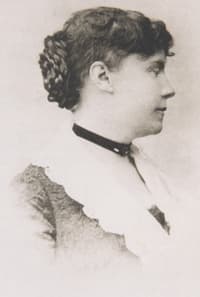
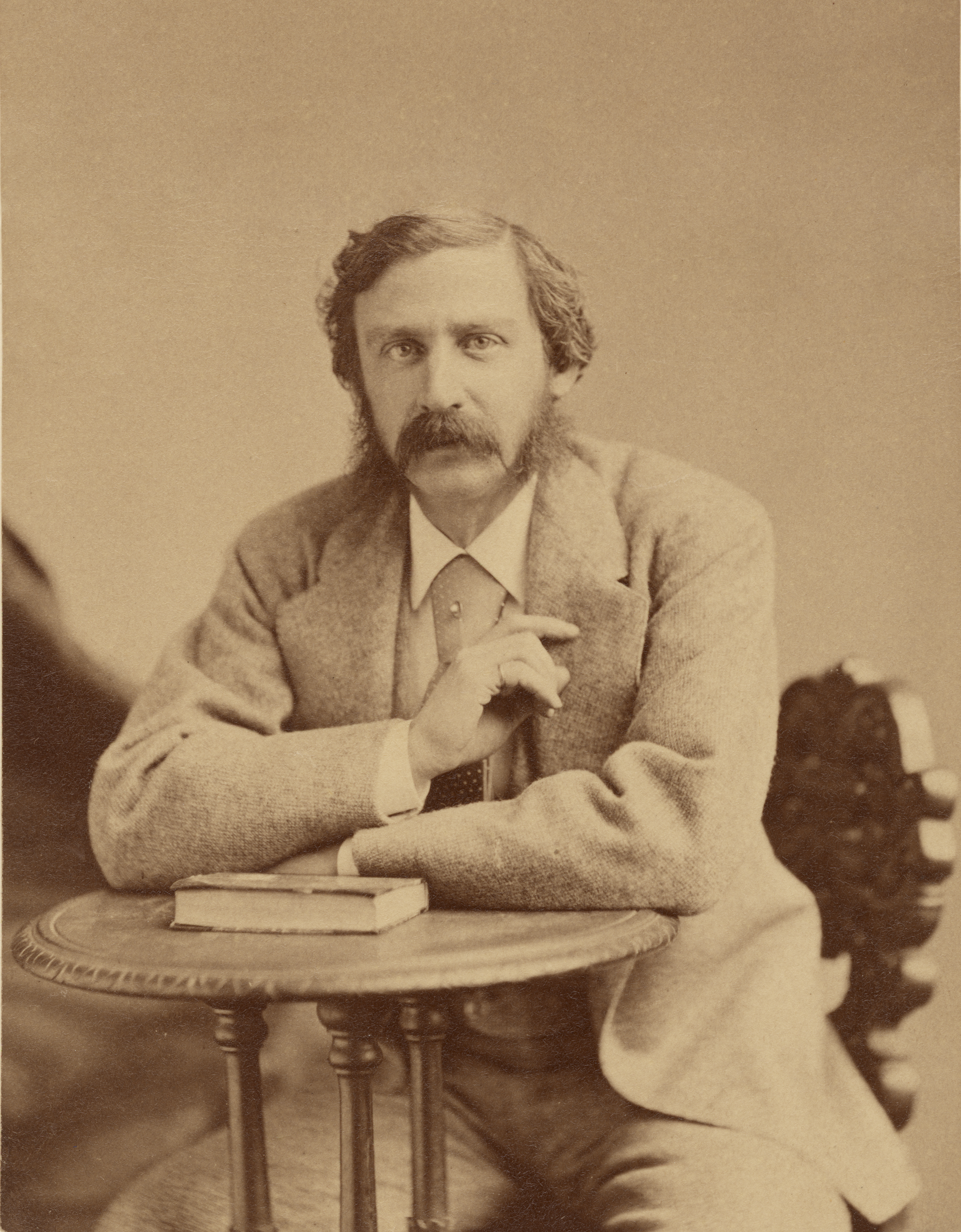
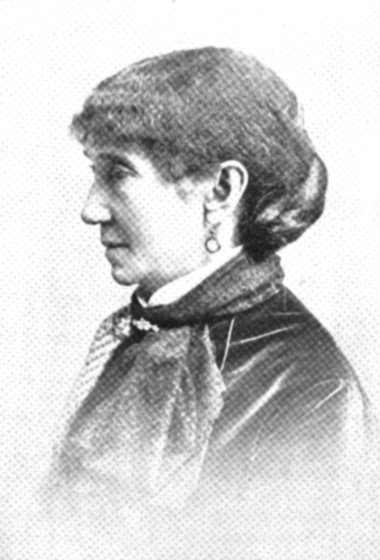
Constance Fenimore Woolson
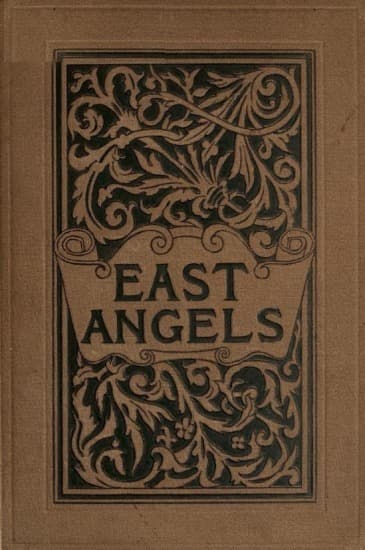
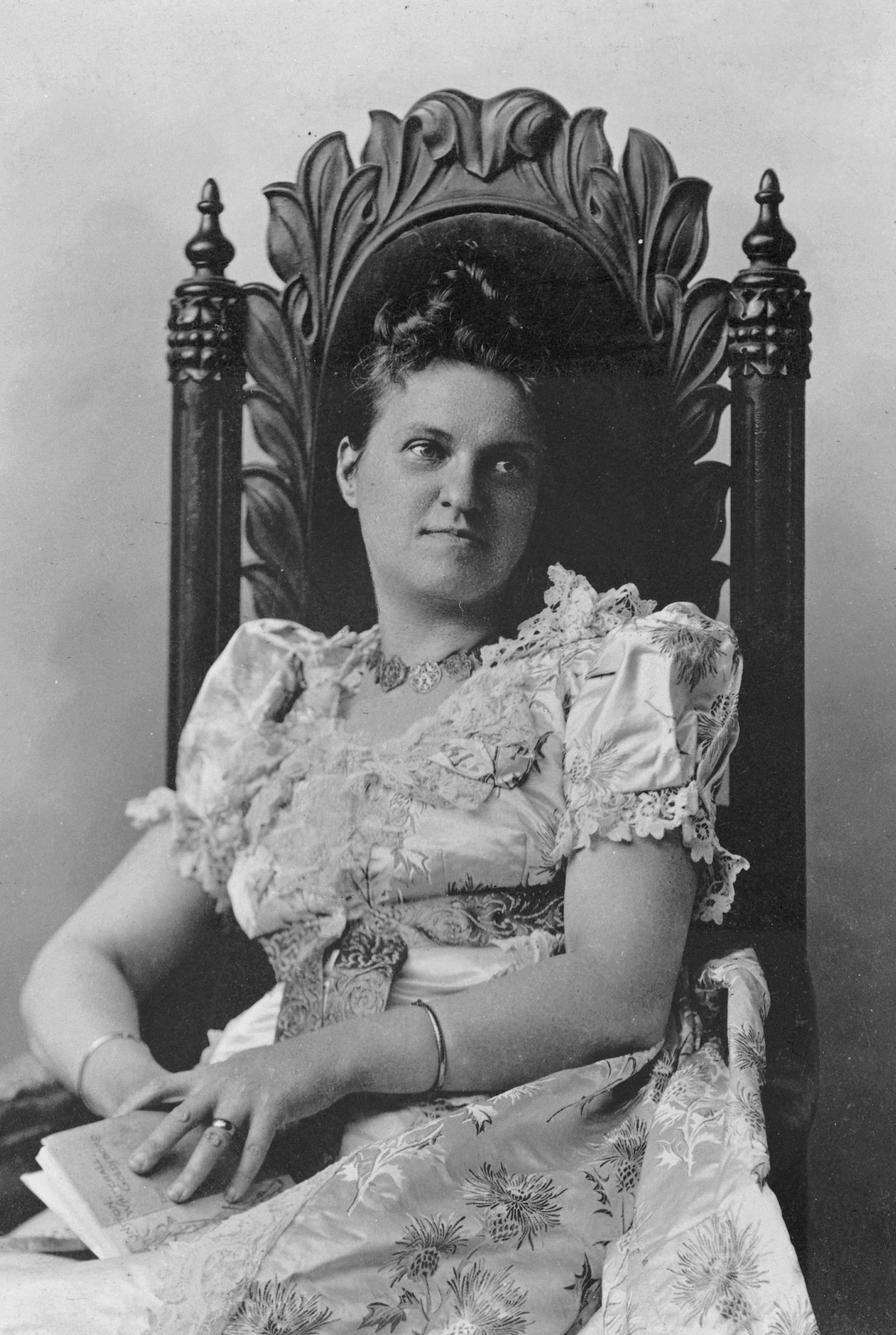
Constance Fenimore Woolson was an influential American novelist, poet, and short story writer, known for her vivid portrayals of life in the Great Lakes region and the American South, as well as her insightful depictions of expatriate experiences in Europe. A grandniece of the famed author James Fenimore Cooper, Woolson's literary career flourished in the late 19th century, during which she produced notable works such as 'Anne,' 'East Angels,' and 'The Old Stone House.' Her writing often explored themes of isolation, identity, and the complexities of human relationships, setting her apart in a literary landscape dominated by male authors of her time. Woolson's significance lies not only in her contributions to American literature but also in her role as a pioneer for women writers. She navigated the challenges of her era, addressing societal expectations and personal struggles, which ultimately culminated in her tragic death in Venice in 1894. Despite her relatively short life, Woolson's work has been recognized for its depth and emotional resonance, influencing later generations of writers and earning her a place in the canon of American literature. Her legacy continues to be reassessed, highlighting her unique voice and the importance of her narratives in understanding the American experience.
Famous Quotes
View all 2 quotes“For years of faithfulness even as a child are not thrown away, but yield . . . a strength at last in times of trial.”
“They did not realize what a supreme effort of courage it required to make this young girl go out alone into the wide world, and face its vastness and its strangeness.”
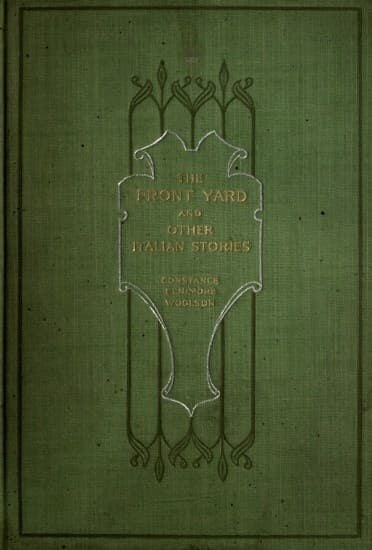
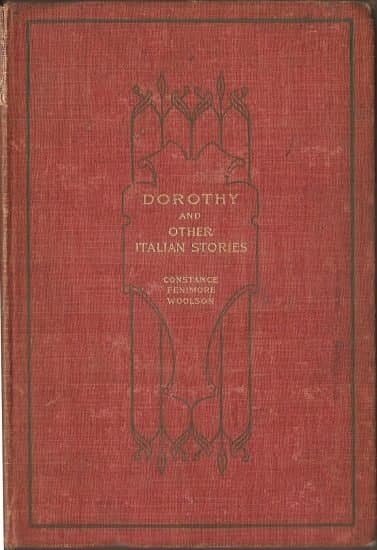
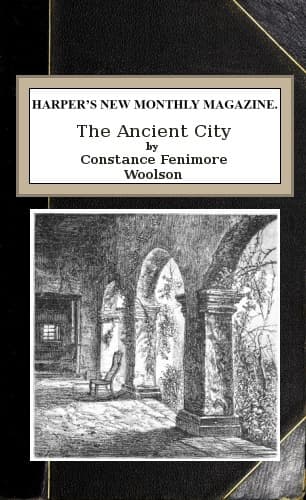
Books from the author




Link to this page
Add a free, dofollow link to Lex on your blog, forum, syllabus, or reading list.

<a href="https://lex-books.com/author/constance-fenimore-woolson"><img src="https://lex-books.com/badges/read-on-lex.svg" alt="Constance Fenimore Woolson on Lex" width="160" height="40"></a>[](https://lex-books.com/author/constance-fenimore-woolson)[url=https://lex-books.com/author/constance-fenimore-woolson][img]https://lex-books.com/badges/read-on-lex.svg[/img][/url]Constance Fenimore Woolson on Lex: https://lex-books.com/author/constance-fenimore-woolson