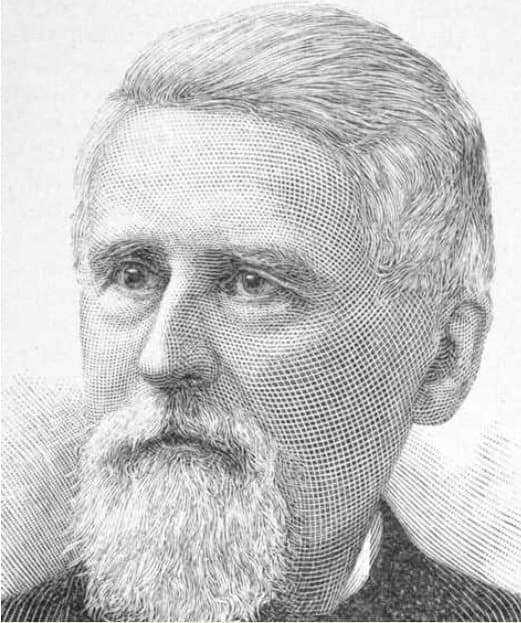
Henry Charles Lea
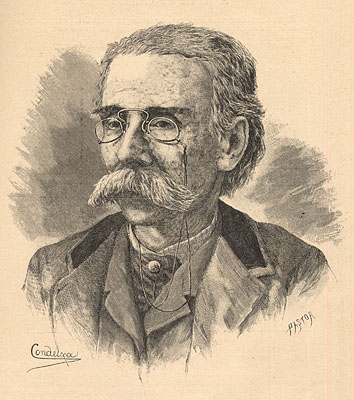
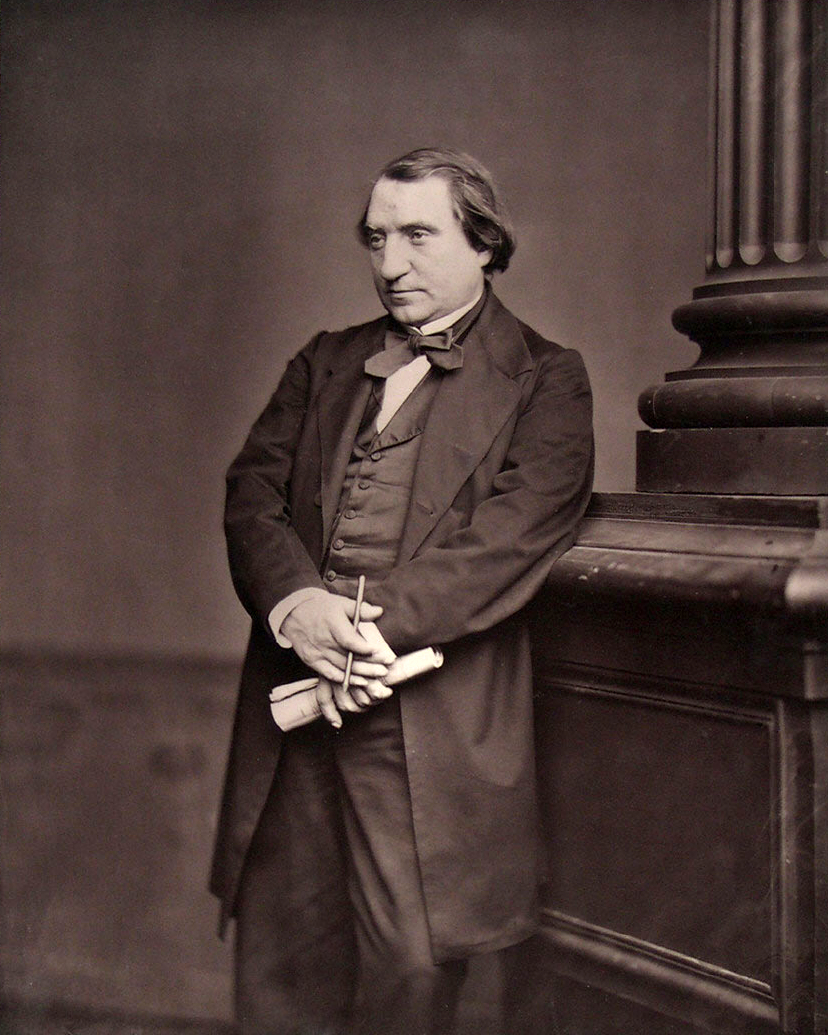
Henry Charles Lea was an influential American publisher, historian, and civic activist based in Philadelphia. He took over his family's publishing business, initially known as Lea Brothers & Co., and expanded its scope to include significant medical and scientific publications. Under his leadership, the company evolved through various iterations, including Lea & Febiger and Blanchard & Lea, until his sons assumed control in 1880. Lea was deeply committed to public health initiatives, founding the Lea Laboratory of Hygiene at the University of Pennsylvania and supporting the Pennsylvania Epileptic Hospital and Colony Farm. In addition to his publishing endeavors, Lea was a prominent figure in civic reform, founding the Citizens' Municipal Reform Association to combat corruption in Philadelphia's government. His dedication to civic duty extended to his role as a founding member of the Union League of Philadelphia during the Civil War, where he actively promoted recruitment efforts for the Union Army, including for African-American soldiers. Lea's contributions to both literature and civic life left a lasting impact on Philadelphia and the broader American landscape, marking him as a significant figure in the intersection of publishing, health, and social reform.
Famous Quotes
View all 3 quotes“for the destiny of all men lay in the hands which could administer or withhold the sacraments essential to salvation. Thus intrusted with responsibility for the fate of mankind, it was necessary that the Church should possess the powers and the machinery requisite for the due discharge of a trust so unspeakably important.”
“THE Church admitted that it had brought upon itself the dangers which threatened it—that the alarming progress of heresy was caused and fostered by clerical negligence and corruption. In his opening address to the great Lateran Council, Innocent III. had no scruple in declaring to the assembled fathers: “The corruption of the people has its chief source in the clergy. From”
“To understand fully the causes which drove so many thousands into schism and heresy, leading to wars and persecutions, and the establishment of the Inquisition, it is necessary{6} to cast a glance at the character of the men who represented the Church before the people, and at the use which they made, for good or for evil, of the absolute spiritual despotism which had become established. In wise and devout hands it might elevate incalculably the moral and material standards of European civilization; in the hands of the selfish and depraved it could become the instrument of minute and all-pervading oppression, driving whole nations to despair.”
Books from the author












Link to this page
Add a free, dofollow link to Lex on your blog, forum, syllabus, or reading list.

<a href="https://lex-books.com/author/henry-charles-lea"><img src="https://lex-books.com/badges/read-on-lex.svg" alt="Henry Charles Lea on Lex" width="160" height="40"></a>[](https://lex-books.com/author/henry-charles-lea)[url=https://lex-books.com/author/henry-charles-lea][img]https://lex-books.com/badges/read-on-lex.svg[/img][/url]Henry Charles Lea on Lex: https://lex-books.com/author/henry-charles-lea