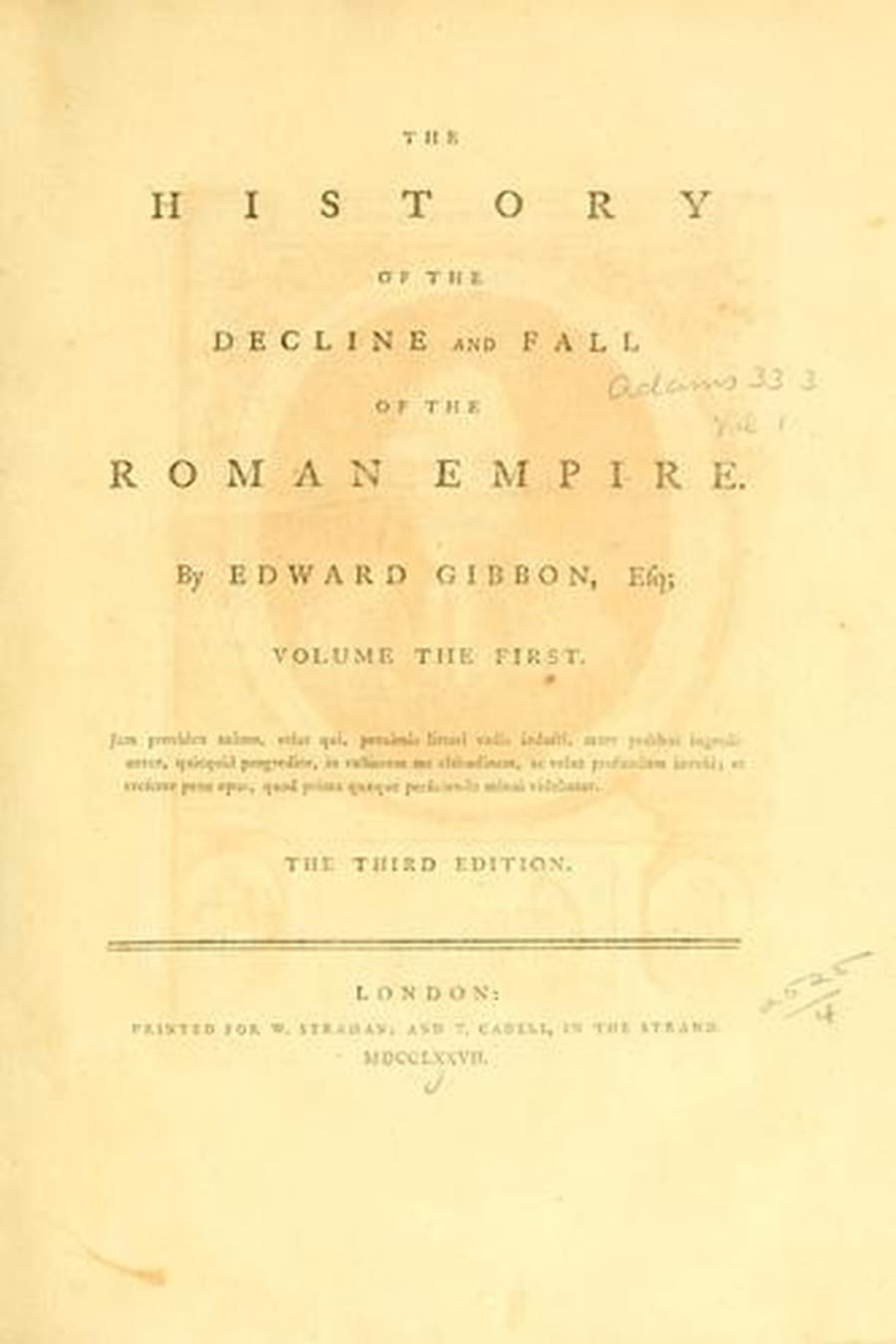
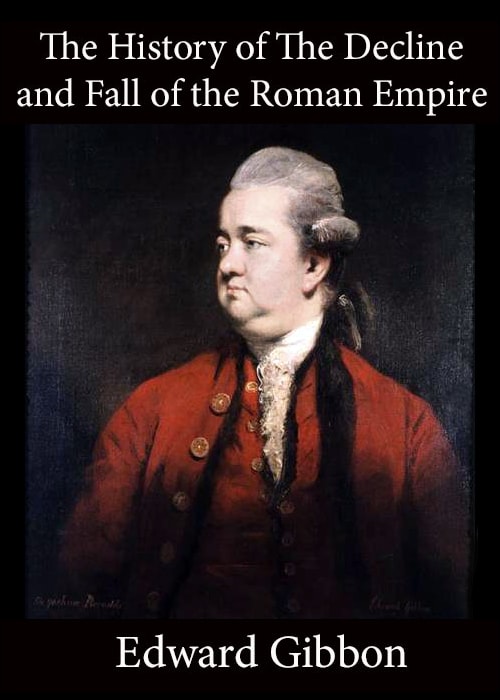
History of the Decline and Fall of the Roman Empire — Volume 6
1788
History of the Decline and Fall of the Roman Empire — Volume 6
1788
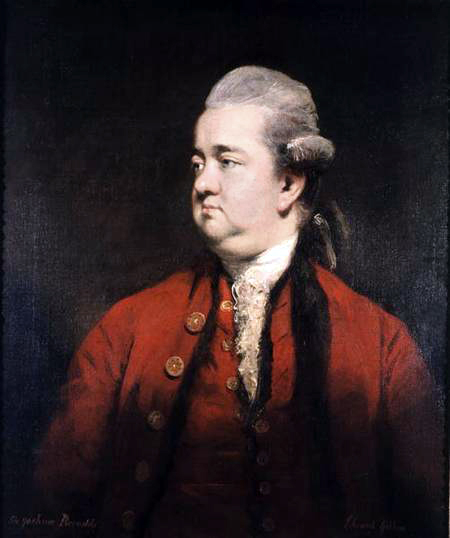
This sixth volume of Gibbon's monumental masterpiece carries readers into the furnace of the Crusades: the collision between Latin Christendom and the Byzantine East, between the cross and the crescent. Here is Saladin in his grandeur, Emperor Alexius maneuvering for survival, and the endless expeditions of Western monarchs across a landscape scarred by betrayal, religious fervor, and imperial ambition. Gibbon writes with the cool eye of an observer who has watched empires die before, and the stylish pen of an 18th-century virtuoso who considers history itself a form of literature. His account of how the Crusader kingdoms flame into brief existence and gutter toward extinction is neither simple celebration nor condemnation but something far more valuable: a sustained, eloquent meditation on what happens when faith becomes an army and civilization meets its mirror. This is where Gibbon's vast narrative approaches its end, tracing the Roman Empire's final centuries in the East as the once-mighty Byzantines weather storms from without and rot from within. For readers who want history as it was written when history was an art form.
Editions


X-Ray
“The various modes of worship which prevailed in the Roman world were all considered by the people as equally true; by the philosopher as equally false; and by the magistrate as equally useful.””
— Edward Gibbon
“The most worthless of mankind are not afraid to condemn in others the same disorders which they allow in themselves; and can readily discover some nice difference in age, character, or station, to justify the partial distinction.””
— Edward Gibbon
“Revenge is profitable, gratitude is expensive.””
— Edward Gibbon
“The policy of the emperors and the senate, as far as it concerned religion, was happily seconded by the reflections of the enlightened, and by the habits of the superstitious, part of their subjects. The various modes of worship, which prevailed in the Roman world, were all considered by the people, as equally true; by the philosopher, as equally false; and by the magistrate, as equally useful. And thus toleration produced not only mutual indulgence, but even religious concord.””
— Edward Gibbon
“War, in its fairest form, implies a perpetual violation of humanity and justice.””
— Edward Gibbon
“The theologian may indulge the pleasing task of describing Religion as she descended from Heaven, arrayed in her native purity. A more melancholy duty is imposed on the historian. He must discover the inevitable mixture of error and corruption which she contracted in a long residence upon Earth, among a weak and degenerate race of beings.””
— Edward Gibbon
“The army is the only order of men sufficiently united to concur in the same sentiments, and powerful enough to impose them on the rest of their fellow-citizens; but the temper of soldiers, habituated at once to violence and to slavery, renders them very unfit guardians of a legal, or even a civil constitution.””
— Edward Gibbon
“Edward Gibbon, in his classic work on the fall of the Roman Empire, describes the Roman era's declension as a place where "bizarreness masqueraded as creativity.””
— Edward Gibbon
“The ascent to greatness, however steep and dangerous, may entertain an active spirit with the consciousness and exercise of its own power: but the possession of a throne could never yet afford a lasting satisfaction to an ambitious mind.””
— Edward Gibbon
About History of the Decline and Fall of the Roman Empire — Volume 6
Chapter Summaries
- LIX
- This part details the Byzantine Emperor Alexius I's cunning exploitation of the First Crusade's conquests in Asia Minor, recovering lost territories from the Turks. It then introduces the Second and Third Crusades, led by European monarchs, highlighting their massive scale and the initial, often disastrous, encounters with the Turks and the hostile Greeks.
- LIX
- The narrative shifts to the rise of Saladin, who unified Egypt and Syria under his rule after a period of internal strife among the Fatimites. It recounts Shiracouh's expeditions to Egypt and Saladin's eventual conquest of Jerusalem from the Franks, noting his admired virtues and contrasting his humanity with the earlier crusader massacres.
- LIX
- This section covers the Third Crusade, focusing on the rivalry between Richard I of England and Philip Augustus of France. Richard's military prowess is celebrated in the siege of Acre and battles against Saladin, leading to a truce. The chapter concludes by noting the general failure and diversion of subsequent crusades, including the Fourth and Fifth, and the lasting impact of Saladin's death.
Key Themes
- Decline and Fall of Empires
- This is the overarching theme, meticulously documented through the Byzantine Empire's gradual weakening. Gibbon illustrates how internal corruption, civil wars, and a series of devastating external invasions (Crusades, Moguls, Ottomans) chipped away at its territory, wealth, and spirit, leading to its inevitable collapse.
- Religious Conflict and Schism
- The deep-seated animosity and theological divisions between the Greek Orthodox and Roman Catholic churches are a constant undercurrent. This schism not only prevented effective Western aid when Byzantium was most vulnerable but also fueled mutual contempt and, at times, direct hostility, such as the Fourth Crusade's attack on Constantinople.
- Impact of 'Barbarian' Invasions
- The narrative extensively details the destructive force of various non-Roman peoples—from the Seljuk and Ottoman Turks to the Moguls, Bulgarians, and even the 'Franks' of the Crusades. Gibbon highlights their military effectiveness, their expansionist ambitions, and the profound demographic and territorial changes they wrought upon the empire.
Characters
- Mahomet II(antagonist)
- The Ottoman Sultan who conquered Constantinople, known for his ambition, military prowess, and occasional cruelty.
- Constantine XI Palæologus(protagonist)
- The last Byzantine Emperor, who bravely defended Constantinople against Mahomet II and died in its fall.
- Timour (Tamerlane)(antagonist)
- A formidable Mogul conqueror who built a vast empire across Asia and famously defeated and captured the Ottoman Sultan Bajazet I.
- Bajazet I (Ilderim)(antagonist)
- The fourth Ottoman Sultan, known as 'the lightning' for his rapid conquests, who was ultimately defeated and captured by Timour.
- Saladin(protagonist)
- The Sultan of Egypt and Syria who united Muslim forces and recaptured Jerusalem from the Crusaders, admired for his virtues.
- Richard I (Plantagenet)(protagonist)
- The 'Lion-Hearted' King of England, a prominent leader of the Third Crusade, renowned for his valor and ferocity.
Link to this book
Add a free, dofollow link to Lex on your blog, forum, syllabus, or reading list.

<a href="https://lex-books.com/book/history-of-the-decline-and-fall-of-the-roman-empire-volume-6-b43c5ba5-df83-4365-af8d-a5745044f700"><img src="https://lex-books.com/badges/read-on-lex.svg" alt="Read History of the Decline and Fall of the Roman Empire — Volume 6 by Edward Gibbon free on Lex" width="160" height="40"></a>[](https://lex-books.com/book/history-of-the-decline-and-fall-of-the-roman-empire-volume-6-b43c5ba5-df83-4365-af8d-a5745044f700)[url=https://lex-books.com/book/history-of-the-decline-and-fall-of-the-roman-empire-volume-6-b43c5ba5-df83-4365-af8d-a5745044f700][img]https://lex-books.com/badges/read-on-lex.svg[/img][/url]Read History of the Decline and Fall of the Roman Empire — Volume 6 by Edward Gibbon free on Lex: https://lex-books.com/book/history-of-the-decline-and-fall-of-the-roman-empire-volume-6-b43c5ba5-df83-4365-af8d-a5745044f700Cite this book
Reading this edition for a paper or guide? Copy a citation.
Gibbon, Edward. History of the Decline and Fall of the Roman Empire — Volume 6. Lex, lex-books.com/book/history-of-the-decline-and-fall-of-the-roman-empire-volume-6-b43c5ba5-df83-4365-af8d-a5745044f700.Gibbon, E. (1788). History of the Decline and Fall of the Roman Empire — Volume 6. Lex. https://lex-books.com/book/history-of-the-decline-and-fall-of-the-roman-empire-volume-6-b43c5ba5-df83-4365-af8d-a5745044f700Gibbon, Edward. History of the Decline and Fall of the Roman Empire — Volume 6. Lex. https://lex-books.com/book/history-of-the-decline-and-fall-of-the-roman-empire-volume-6-b43c5ba5-df83-4365-af8d-a5745044f700.