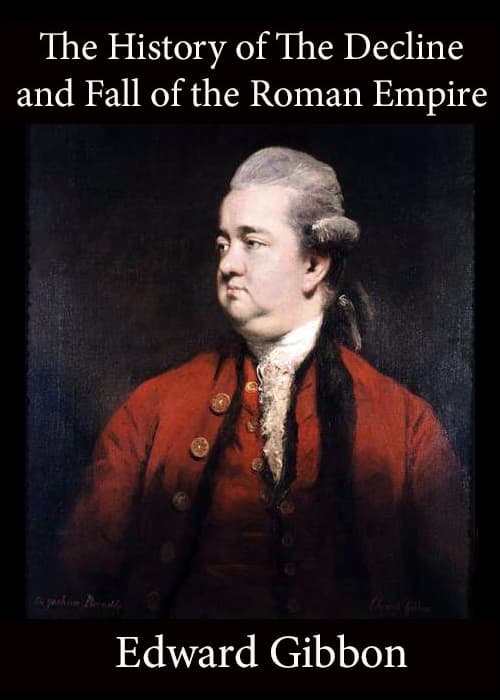
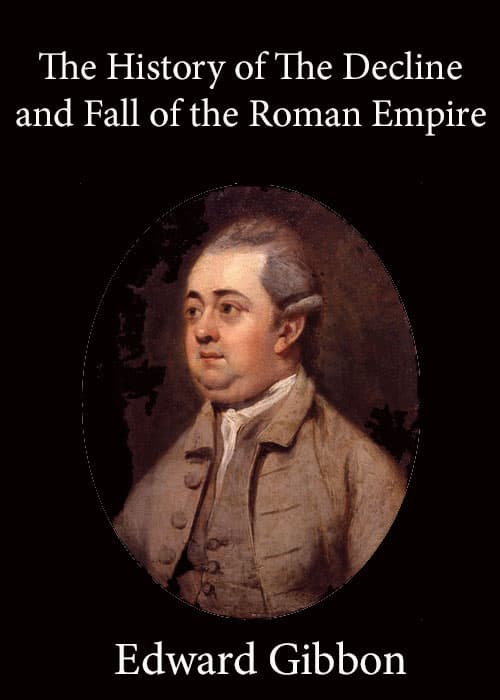
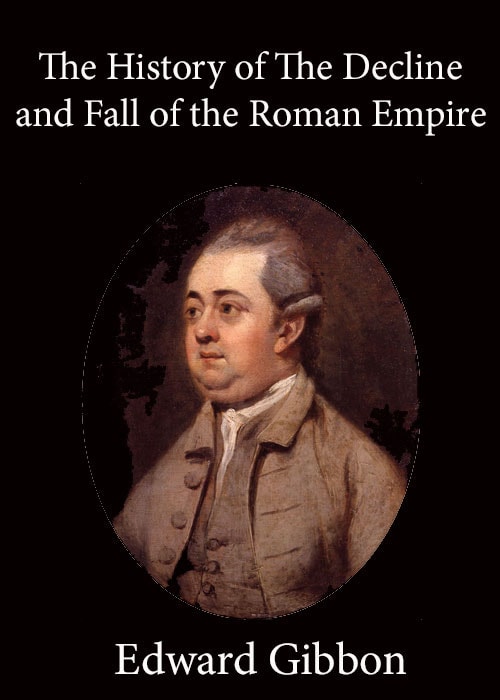
History of the Decline and Fall of the Roman Empire — Volume 5
1906
History of the Decline and Fall of the Roman Empire — Volume 5
1906
Volume 5 of Gibbon's monumental history arrives at a hinge moment in Western civilization. As the Roman Empire's western half has already crumbled, Gibbon turns his piercing gaze toward what replaced it: a new order where the Bishop of Rome has become a temporal sovereign, where iconoclasm divides Christendom, and where a Frankish warlord crowns himself Emperor of the Romans in St. Peter's. This is the story of how the ancient world真正 ended not with a bang but with a quiet accretion of religious authority, as the papacy exploits the chaos of Lombard invasions and Byzantine neglect to build a power base that will outlast every imperial claimant. Gibbon, writing with his signature blend of erudition and sardonic wit, traces the transformation of Christianity from persecuted sect to established institution, examining how disputes over sacred images ignited wars and how the ambitions of popes and kings intertwined. The narrative follows Charlemagne's coronation in 800, that audacious act that declared the medieval world had truly begun. This is history as grand architecture, every fact placed in service of a thesis about the cyclical nature of imperial decline and the strange survival of ideas beyond the states that birthed them. Gibbon's prose remains utterly readable, his footnotes a masterclass in primary source scholarship, and his willingness to challenge religious orthodoxies still radical more than two centuries later.
Editions

X-Ray
“The various modes of worship which prevailed in the Roman world were all considered by the people as equally true; by the philosopher as equally false; and by the magistrate as equally useful.””
— Edward Gibbon
“The most worthless of mankind are not afraid to condemn in others the same disorders which they allow in themselves; and can readily discover some nice difference in age, character, or station, to justify the partial distinction.””
— Edward Gibbon
“Revenge is profitable, gratitude is expensive.””
— Edward Gibbon
“The policy of the emperors and the senate, as far as it concerned religion, was happily seconded by the reflections of the enlightened, and by the habits of the superstitious, part of their subjects. The various modes of worship, which prevailed in the Roman world, were all considered by the people, as equally true; by the philosopher, as equally false; and by the magistrate, as equally useful. And thus toleration produced not only mutual indulgence, but even religious concord.””
— Edward Gibbon
“War, in its fairest form, implies a perpetual violation of humanity and justice.””
— Edward Gibbon
“The theologian may indulge the pleasing task of describing Religion as she descended from Heaven, arrayed in her native purity. A more melancholy duty is imposed on the historian. He must discover the inevitable mixture of error and corruption which she contracted in a long residence upon Earth, among a weak and degenerate race of beings.””
— Edward Gibbon
“The army is the only order of men sufficiently united to concur in the same sentiments, and powerful enough to impose them on the rest of their fellow-citizens; but the temper of soldiers, habituated at once to violence and to slavery, renders them very unfit guardians of a legal, or even a civil constitution.””
— Edward Gibbon
“Edward Gibbon, in his classic work on the fall of the Roman Empire, describes the Roman era's declension as a place where "bizarreness masqueraded as creativity.””
— Edward Gibbon
“The ascent to greatness, however steep and dangerous, may entertain an active spirit with the consciousness and exercise of its own power: but the possession of a throne could never yet afford a lasting satisfaction to an ambitious mind.””
— Edward Gibbon
About History of the Decline and Fall of the Roman Empire — Volume 5
Chapter Summaries
- 49.1
- Gibbon introduces the iconoclastic controversy, tracing the development of image worship in Christianity from its origins to the fierce opposition of Emperor Leo III. He analyzes how this religious dispute led to the revolt of Italy and the rise of papal temporal power.
- 49.2
- The chapter details Pope Gregory II's bold letters to Emperor Leo III, the Italian revolt against iconoclastic policies, and the establishment of papal independence. It shows how religious controversy became the foundation for political transformation.
- 49.3
- Gibbon examines the papal-Frankish alliance, the donations of Pepin and Charlemagne to the Church, and the forged Donation of Constantine. He analyzes how these developments established papal temporal dominion and the theoretical basis for papal supremacy.
Key Themes
- Religious and Political Power
- Gibbon explores how religious controversies, particularly iconoclasm, became vehicles for political transformation. The dispute over images enabled the papacy to break from Byzantine control and establish temporal authority.
- The Rise of Papal Temporal Authority
- The volume traces how the popes evolved from spiritual leaders to temporal rulers, using religious crises and forged documents like the Donation of Constantine to justify their claims to political power.
- Imperial Restoration and Decline
- Gibbon examines the revival of the Western Roman Empire under Charlemagne and its subsequent fragmentation, showing how the imperial ideal persisted even as real power dissipated among feudal lords.
Characters
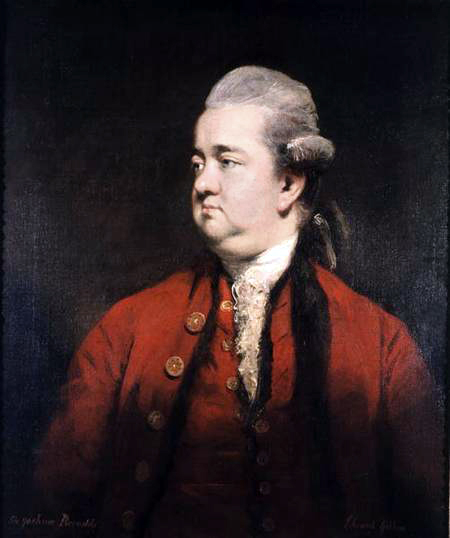
- Edward Gibbon(major)
- The historian and author of this monumental work on the decline and fall of the Roman Empire. His analytical perspective and Enlightenment rationalism shape the entire narrative.
- Leo III (the Isaurian)(major)
- Byzantine Emperor who initiated the Iconoclastic controversy by ordering the destruction of religious images. His policies led to the revolt of Italy and the rise of papal temporal power.
- Gregory II(major)
- Pope who boldly defied Emperor Leo III over the worship of images. His letters to the emperor mark the beginning of papal independence and temporal authority.
- Charlemagne (Charles the Great)(protagonist)
- King of the Franks who conquered Italy, was crowned Roman Emperor by the Pope, and restored the Western Empire. The central figure in the transition from ancient to medieval Europe.
- Pope Leo III(major)
- Pope who crowned Charlemagne as Roman Emperor on Christmas Day 800, establishing the precedent for papal coronation of emperors. Survived an assassination attempt.
- Constantine V(major)
- Byzantine Emperor and son of Leo III who continued and intensified the iconoclastic persecution. Known for his harsh treatment of monks and image-worshippers.
Link to this book
Add a free, dofollow link to Lex on your blog, forum, syllabus, or reading list.

<a href="https://lex-books.com/book/history-of-the-decline-and-fall-of-the-roman-empire-volume-5-2f199925-21bc-4201-818b-78310a6e827b"><img src="https://lex-books.com/badges/read-on-lex.svg" alt="Read History of the Decline and Fall of the Roman Empire — Volume 5 by Edward Gibbon free on Lex" width="160" height="40"></a>[](https://lex-books.com/book/history-of-the-decline-and-fall-of-the-roman-empire-volume-5-2f199925-21bc-4201-818b-78310a6e827b)[url=https://lex-books.com/book/history-of-the-decline-and-fall-of-the-roman-empire-volume-5-2f199925-21bc-4201-818b-78310a6e827b][img]https://lex-books.com/badges/read-on-lex.svg[/img][/url]Read History of the Decline and Fall of the Roman Empire — Volume 5 by Edward Gibbon free on Lex: https://lex-books.com/book/history-of-the-decline-and-fall-of-the-roman-empire-volume-5-2f199925-21bc-4201-818b-78310a6e827bCite this book
Reading this edition for a paper or guide? Copy a citation.
Gibbon, Edward. History of the Decline and Fall of the Roman Empire — Volume 5. Lex, lex-books.com/book/history-of-the-decline-and-fall-of-the-roman-empire-volume-5-2f199925-21bc-4201-818b-78310a6e827b.Gibbon, E. (1906). History of the Decline and Fall of the Roman Empire — Volume 5. Lex. https://lex-books.com/book/history-of-the-decline-and-fall-of-the-roman-empire-volume-5-2f199925-21bc-4201-818b-78310a6e827bGibbon, Edward. History of the Decline and Fall of the Roman Empire — Volume 5. Lex. https://lex-books.com/book/history-of-the-decline-and-fall-of-the-roman-empire-volume-5-2f199925-21bc-4201-818b-78310a6e827b.