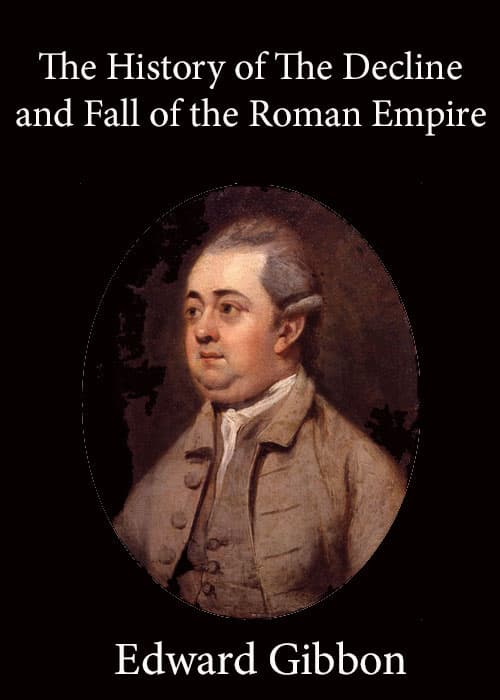
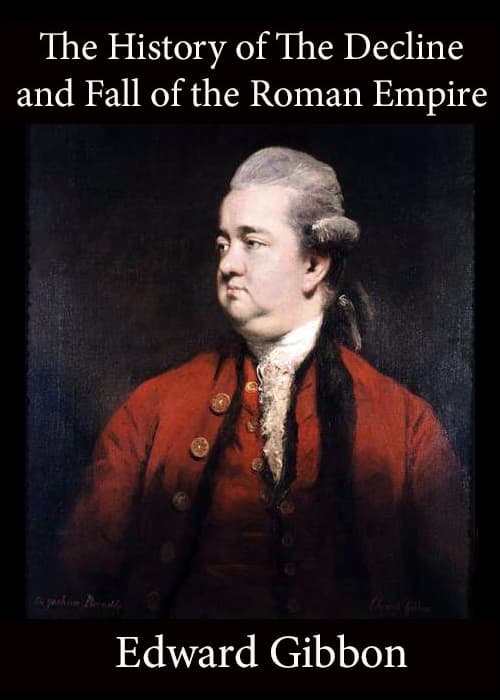
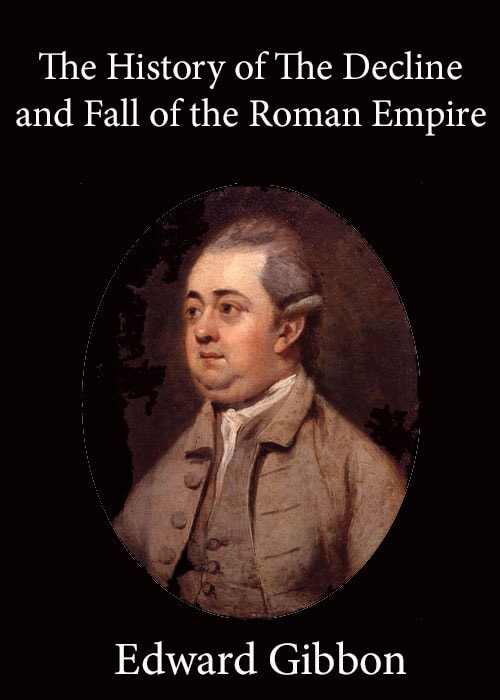
History of the Decline and Fall of the Roman Empire — Volume 4
1776
History of the Decline and Fall of the Roman Empire — Volume 4
1776
Volume IV of Gibbon's monumental history enters the twilight of antiquity, where the Roman world has already cracked and new powers struggle over its corpse. The focus turns to Theodoric the Ostrogoth, a figure who conquered Italy on horseback yet ruled from Ravenna with the办公室 of a Caesar, attempting a daring experiment in bicultural governance that blends Gothic martial traditions with Roman administrative wisdom. Gibbon, with his sardonic eye and imperious prose, traces Theodoric's rise from hostage at Constantinople through decades of warfare to his dominion over the Italian peninsula, rendering the politics of the Gothic court with the same Machiavellian scrutiny he applied to emperors. This volume captures a fragile interlude: a generation of peace and prosperity in Italy, built atop foundations that Gibbon makes us see were always unstable. Here is history as literature, the fall of empires rendered not as catastrophe but as slow strangulation, full of memorable villains, tragic miscalculations, and the long exhaustion of a civilization that had forgotten how to survive.
Editions
X-Ray
“The various modes of worship which prevailed in the Roman world were all considered by the people as equally true; by the philosopher as equally false; and by the magistrate as equally useful.””
— Edward Gibbon
“The most worthless of mankind are not afraid to condemn in others the same disorders which they allow in themselves; and can readily discover some nice difference in age, character, or station, to justify the partial distinction.””
— Edward Gibbon
“Revenge is profitable, gratitude is expensive.””
— Edward Gibbon
“The policy of the emperors and the senate, as far as it concerned religion, was happily seconded by the reflections of the enlightened, and by the habits of the superstitious, part of their subjects. The various modes of worship, which prevailed in the Roman world, were all considered by the people, as equally true; by the philosopher, as equally false; and by the magistrate, as equally useful. And thus toleration produced not only mutual indulgence, but even religious concord.””
— Edward Gibbon
“War, in its fairest form, implies a perpetual violation of humanity and justice.””
— Edward Gibbon
“The theologian may indulge the pleasing task of describing Religion as she descended from Heaven, arrayed in her native purity. A more melancholy duty is imposed on the historian. He must discover the inevitable mixture of error and corruption which she contracted in a long residence upon Earth, among a weak and degenerate race of beings.””
— Edward Gibbon
“The army is the only order of men sufficiently united to concur in the same sentiments, and powerful enough to impose them on the rest of their fellow-citizens; but the temper of soldiers, habituated at once to violence and to slavery, renders them very unfit guardians of a legal, or even a civil constitution.””
— Edward Gibbon
“Edward Gibbon, in his classic work on the fall of the Roman Empire, describes the Roman era's declension as a place where "bizarreness masqueraded as creativity.””
— Edward Gibbon
“The ascent to greatness, however steep and dangerous, may entertain an active spirit with the consciousness and exercise of its own power: but the possession of a throne could never yet afford a lasting satisfaction to an ambitious mind.””
— Edward Gibbon
About History of the Decline and Fall of the Roman Empire — Volume 4
Chapter Summaries
- 39
- Chronicles the rise of Theodoric the Ostrogoth from his education in Constantinople to his conquest of Italy and establishment of a Gothic kingdom. Details his successful rule, the careers of Boethius and Cassiodorus, and Theodoric's tragic final years marked by paranoia and the execution of his advisors.
- 40
- Covers Justinian's rise to power through his uncle Justin, his marriage to the former actress Theodora, and the major events of his reign including the Nika riots, the development of the silk trade, and his extensive building programs. Explores the complex dynamics of Byzantine court politics and the emperor's ambitious projects.
Key Themes
- The Decline and Transformation of Empire
- Gibbon explores how the Roman Empire evolved from its classical form into the Byzantine Empire, examining both continuity and change. The rise of barbarian kingdoms like Theodoric's Ostrogoths represents both the end of the old order and the beginning of new political arrangements.
- The Corruption of Power
- The text reveals how absolute power corrupts even well-intentioned rulers. Theodoric's paranoid final years and Theodora's alleged cruelties demonstrate how imperial authority can lead to tyranny and injustice.
- Religious Authority vs. Secular Power
- The complex relationship between Christian orthodoxy and imperial policy is explored through various religious controversies. Emperors must balance theological disputes with political necessities, often leading to persecution and conflict.
Characters
- Justinian I(protagonist)
- Byzantine Emperor (527-565 CE) born in Dardania of peasant stock. Rose to power through his uncle Justin and became one of history's most significant rulers, known for his legal reforms, military conquests, and architectural achievements.
- Theodora(major)
- Empress of Byzantine Empire, former actress and courtesan who became Justinian's powerful co-ruler. Known for her intelligence, political acumen, and influence over imperial policy, particularly during the Nika riots.
- Justin I(major)
- Byzantine Emperor (518-527 CE) and Justinian's uncle. A former peasant soldier who rose through military ranks to become emperor, though largely illiterate and dependent on advisors.
- Belisarius(major)
- Greatest general of Justinian's reign, responsible for reconquering much of the Western Roman Empire including North Africa and Italy. Known for his military genius and loyalty to the emperor.
- Theodoric the Great(major)
- Ostrogothic king of Italy (493-526 CE) who established a prosperous Gothic kingdom. Educated in Constantinople, he balanced Roman and Gothic traditions while maintaining relative peace and prosperity.
- Boethius(major)
- Roman senator, philosopher, and scholar who served under Theodoric. Author of 'The Consolation of Philosophy,' written while imprisoned before his execution for alleged treason.
Link to this book
Add a free, dofollow link to Lex on your blog, forum, syllabus, or reading list.

<a href="https://lex-books.com/book/history-of-the-decline-and-fall-of-the-roman-empire-volume-4-429031fe-b013-46dd-ba6e-8a278552dfc9"><img src="https://lex-books.com/badges/read-on-lex.svg" alt="Read History of the Decline and Fall of the Roman Empire — Volume 4 by Edward Gibbon free on Lex" width="160" height="40"></a>[](https://lex-books.com/book/history-of-the-decline-and-fall-of-the-roman-empire-volume-4-429031fe-b013-46dd-ba6e-8a278552dfc9)[url=https://lex-books.com/book/history-of-the-decline-and-fall-of-the-roman-empire-volume-4-429031fe-b013-46dd-ba6e-8a278552dfc9][img]https://lex-books.com/badges/read-on-lex.svg[/img][/url]Read History of the Decline and Fall of the Roman Empire — Volume 4 by Edward Gibbon free on Lex: https://lex-books.com/book/history-of-the-decline-and-fall-of-the-roman-empire-volume-4-429031fe-b013-46dd-ba6e-8a278552dfc9Cite this book
Reading this edition for a paper or guide? Copy a citation.
Gibbon, Edward. History of the Decline and Fall of the Roman Empire — Volume 4. Lex, lex-books.com/book/history-of-the-decline-and-fall-of-the-roman-empire-volume-4-429031fe-b013-46dd-ba6e-8a278552dfc9.Gibbon, E. (1776). History of the Decline and Fall of the Roman Empire — Volume 4. Lex. https://lex-books.com/book/history-of-the-decline-and-fall-of-the-roman-empire-volume-4-429031fe-b013-46dd-ba6e-8a278552dfc9Gibbon, Edward. History of the Decline and Fall of the Roman Empire — Volume 4. Lex. https://lex-books.com/book/history-of-the-decline-and-fall-of-the-roman-empire-volume-4-429031fe-b013-46dd-ba6e-8a278552dfc9.