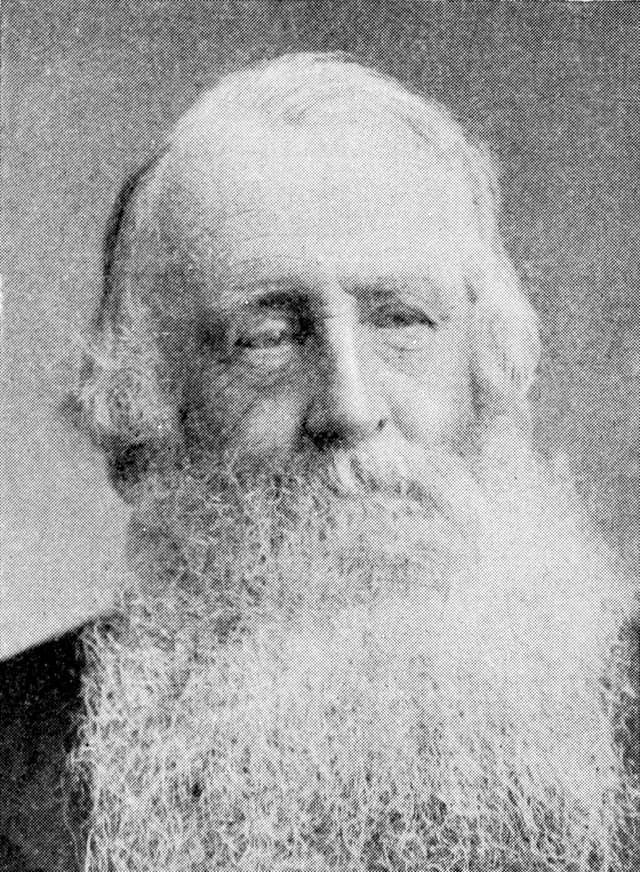
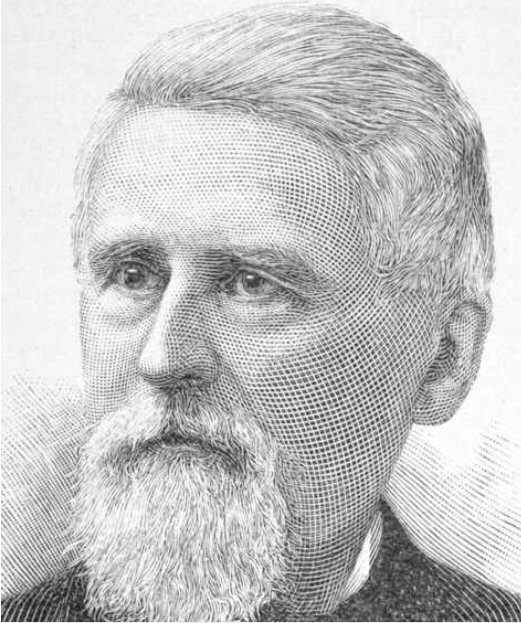
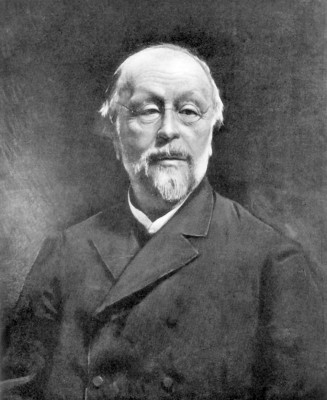
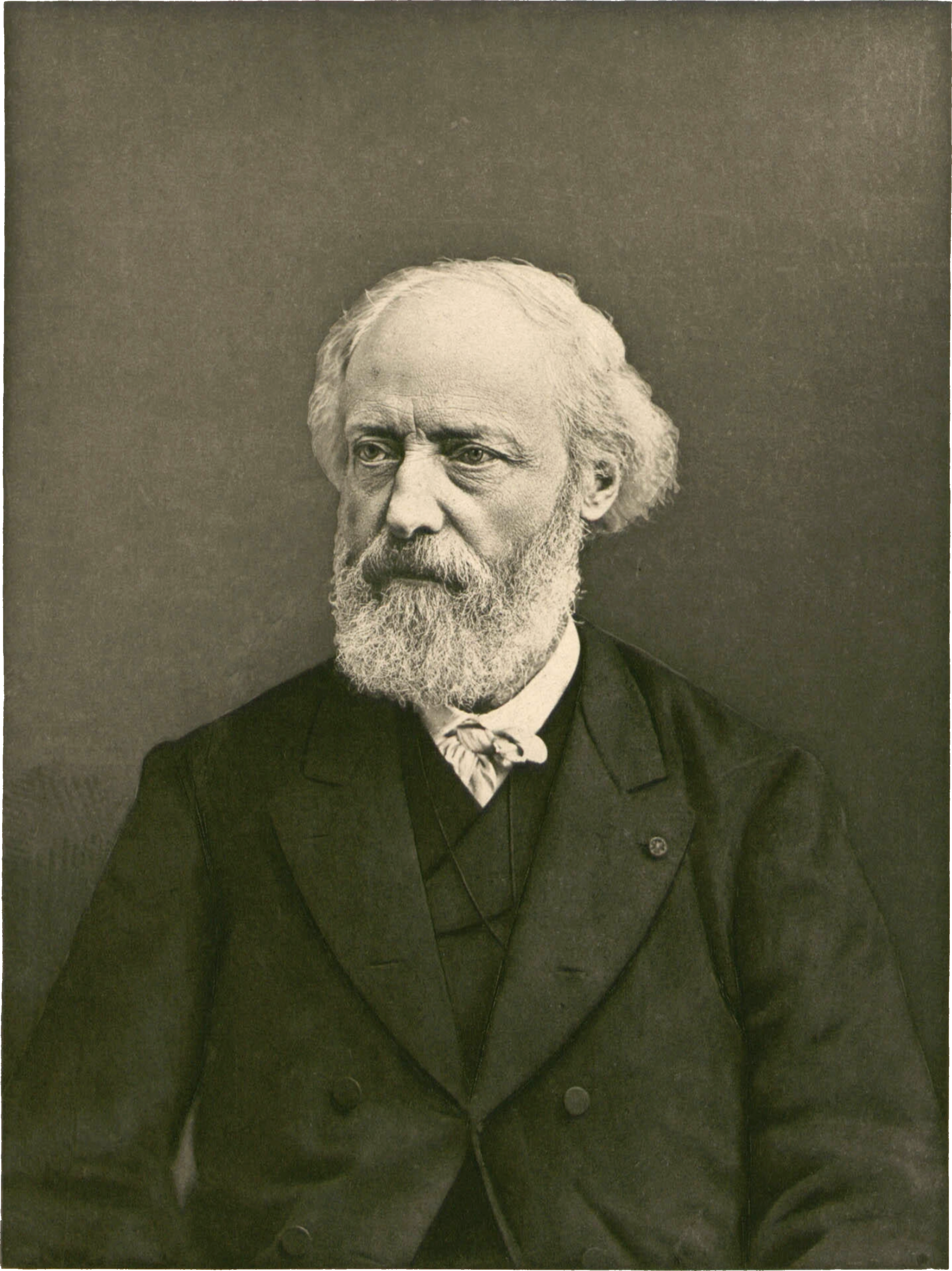
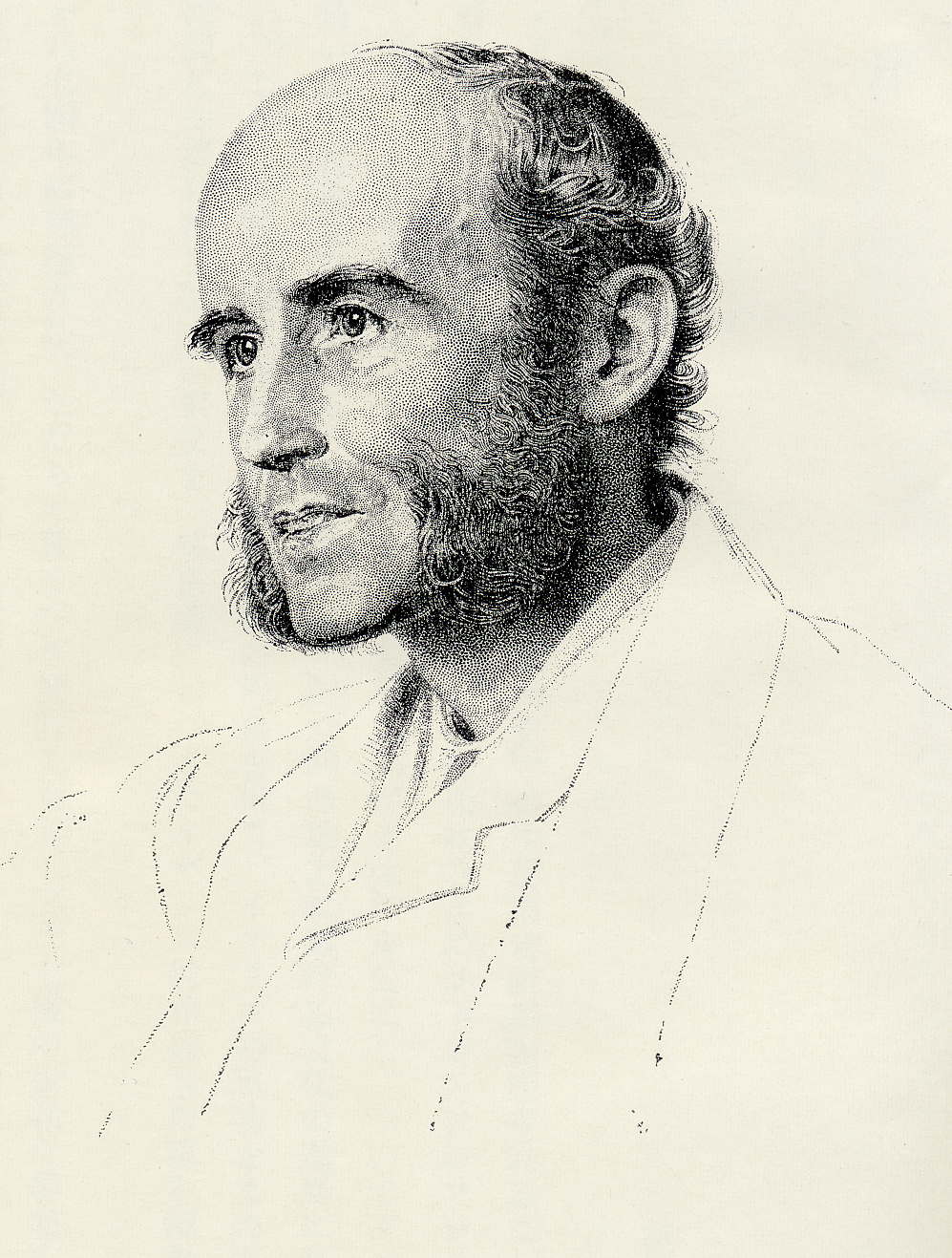
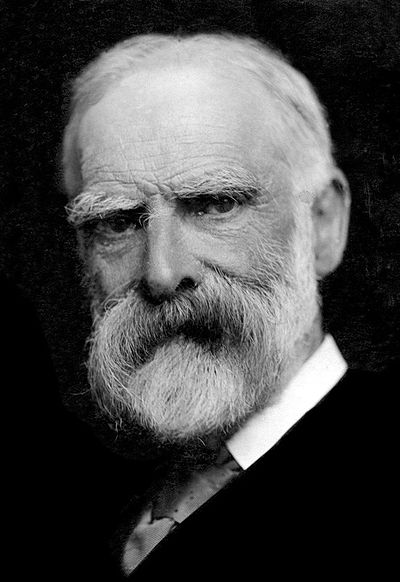
Edward A. Freeman
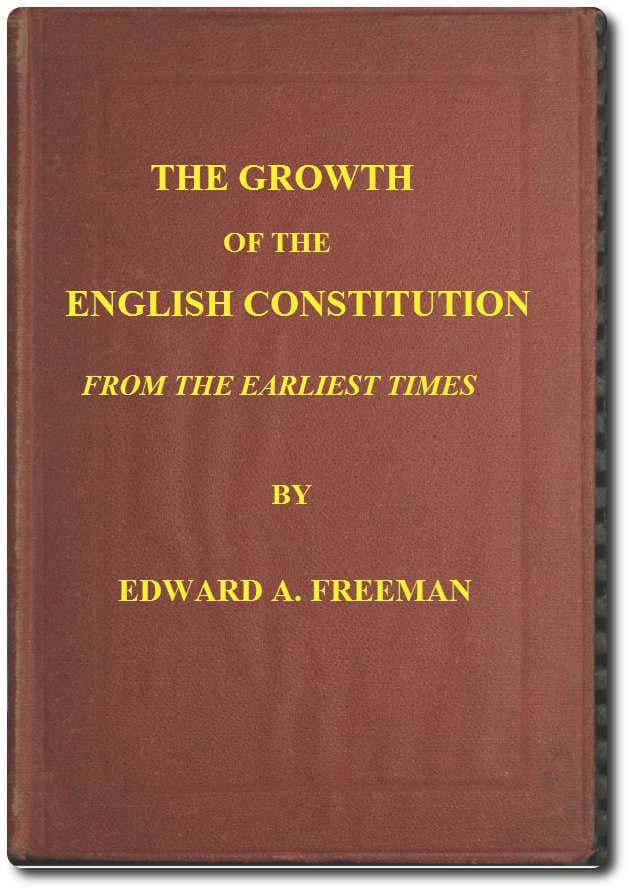
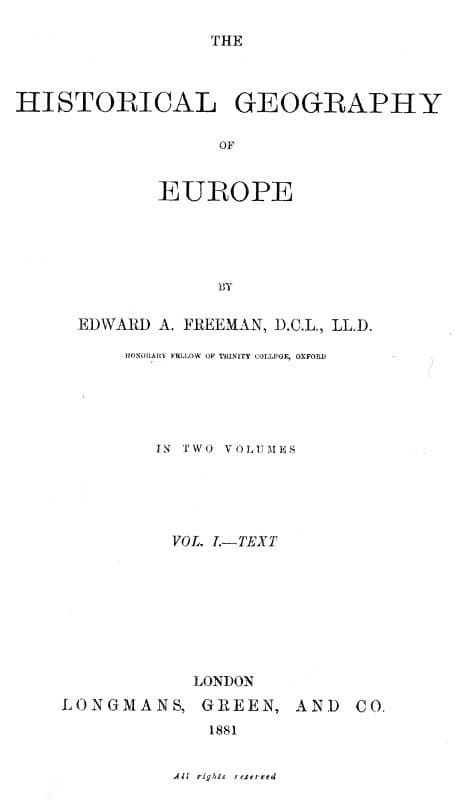
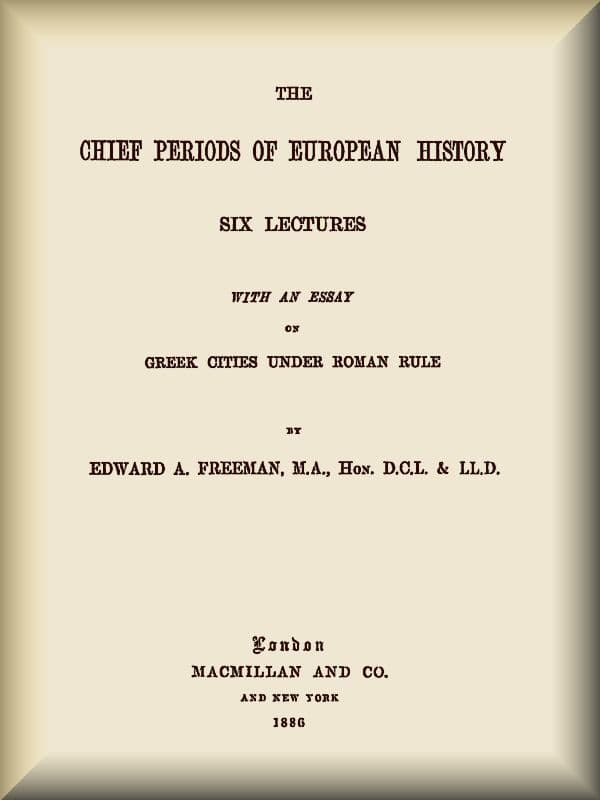
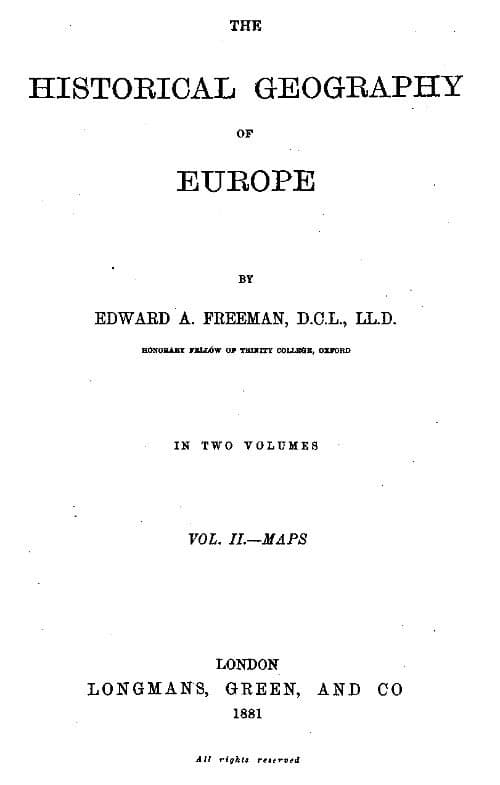
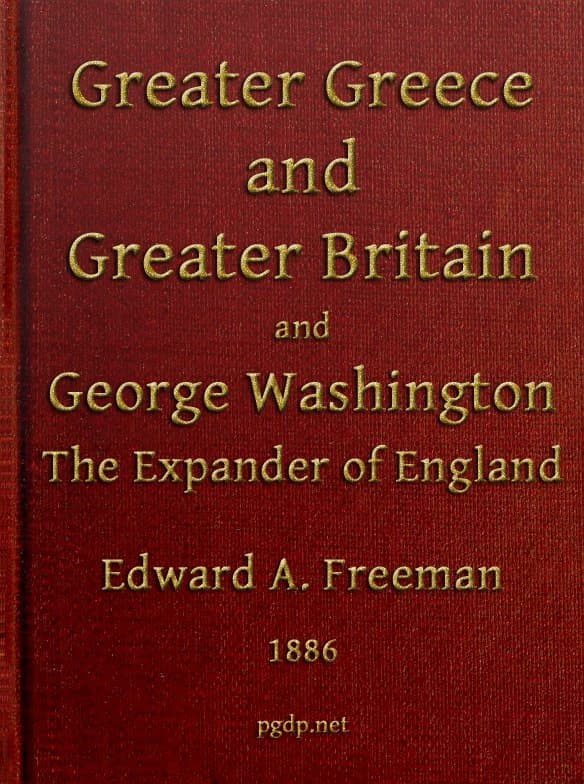
Edward A. Freeman was a prominent English historian and writer, known for his extensive works on medieval history and the development of the English constitution. Born in 1823, Freeman's academic career flourished at Oxford, where he became a notable figure in historical scholarship. His most significant contributions include 'The Reign of William Rufus and the Accession of Henry the First,' a detailed examination of the Norman period in England, and 'A Short History of the Norman Conquest of England,' which provided insights into the pivotal events that shaped the nation’s history. Freeman's meticulous research and narrative style made complex historical events accessible to a broader audience, establishing him as a key figure in the field of history during the 19th century. In addition to his historical narratives, Freeman also penned travel sketches, such as 'Sketches of Travel in Normandy and Maine' and 'Sketches from the Subject and Neighbour Lands of Venice,' which reflect his keen observations and appreciation for the cultural landscapes of Europe. His lectures, including 'The Chief Periods of European History,' further solidified his reputation as an educator and thinker. Freeman's legacy lies in his ability to intertwine detailed historical analysis with engaging storytelling, influencing both contemporary historians and future generations of scholars.
Books from the author
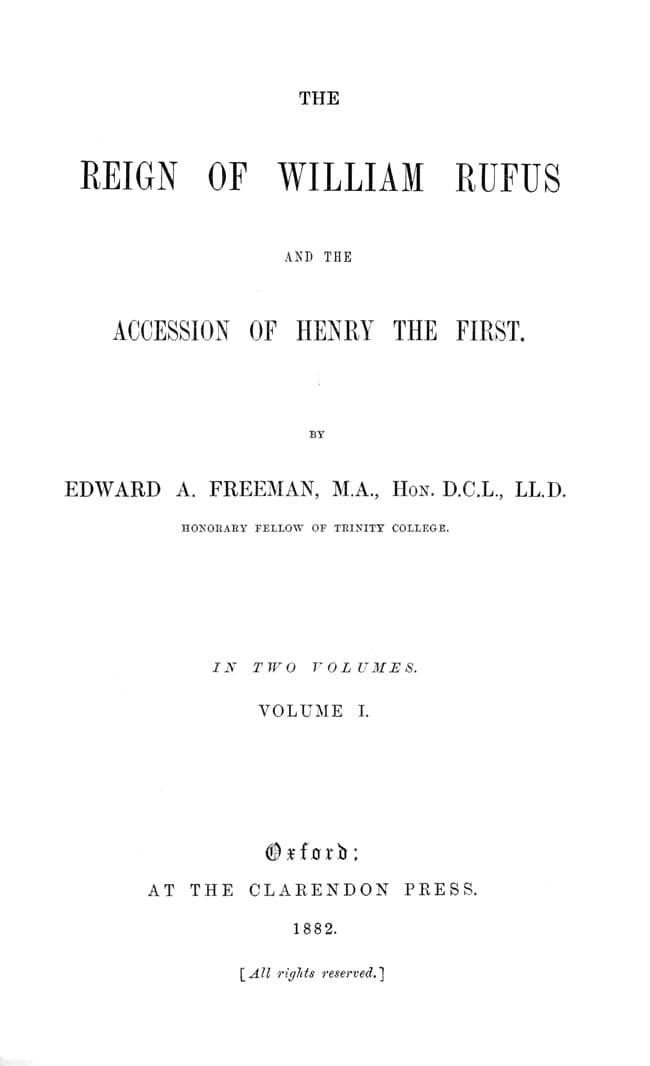
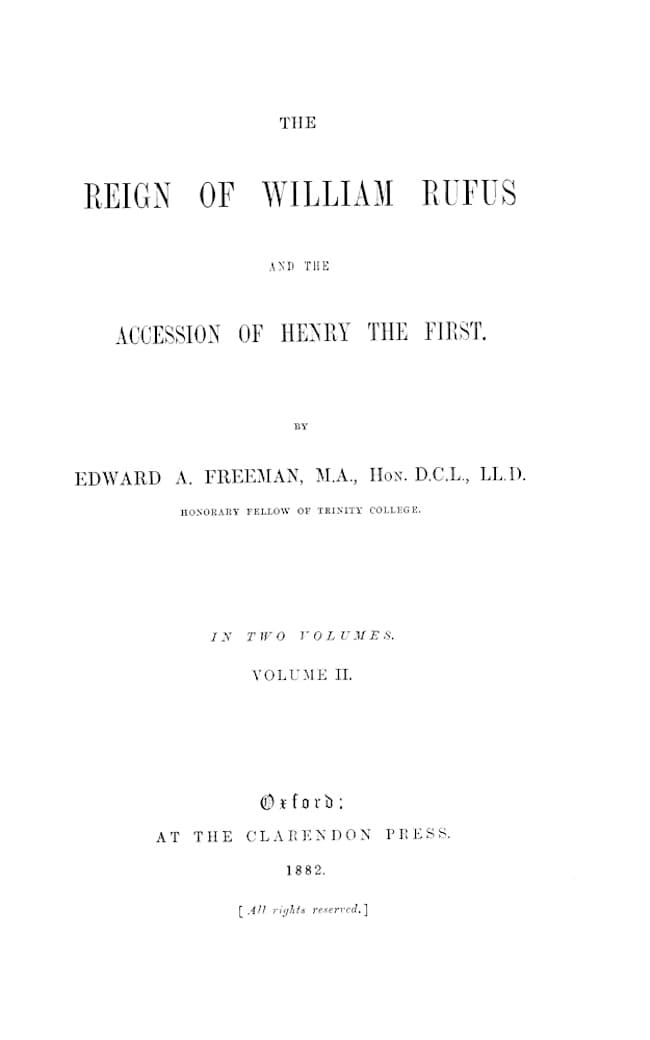
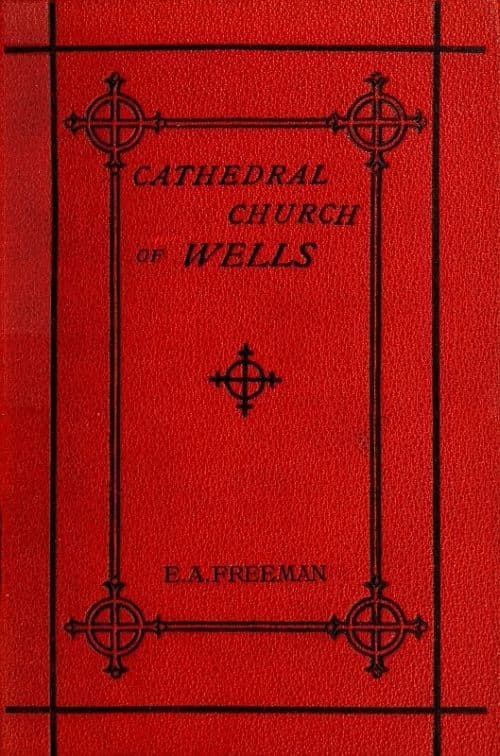

Link to this page
Add a free, dofollow link to Lex on your blog, forum, syllabus, or reading list.

<a href="https://lex-books.com/author/edward-a-freeman"><img src="https://lex-books.com/badges/read-on-lex.svg" alt="Edward A. Freeman on Lex" width="160" height="40"></a>[](https://lex-books.com/author/edward-a-freeman)[url=https://lex-books.com/author/edward-a-freeman][img]https://lex-books.com/badges/read-on-lex.svg[/img][/url]Edward A. Freeman on Lex: https://lex-books.com/author/edward-a-freeman