The Growth of the English Constitution from the Earliest Times
1872
The Growth of the English Constitution from the Earliest Times
1872
Where do the foundations of modern governance truly lie? Edward A. Freeman mounts a vigorous argument in this 1872 masterpiece: the English Constitution is not a revolutionary invention but an unbroken thread stretching back to the forests of ancient Germany. Drawing on the Teutonic assemblies that once decided war and peace under open skies, Freeman traces how these primitive democratic practices evolved, adapted, and endured through centuries of transformation into the parliamentary system we recognize today. He offers vivid contemporary proof: the Swiss cantons of Uri and Appenzell, where peasants still gather in open-air assemblies to vote on laws, the way their ancestors did. Freeman resists the comfortable notion that our institutions are purely modern creations, insisting instead that every parliament, every court, every charter carries the DNA of assemblies held centuries before the Norman Conquest. This is constitutional history as detective work, revealing the surprising ancestry of the systems that still govern us.
Editions
X-Ray
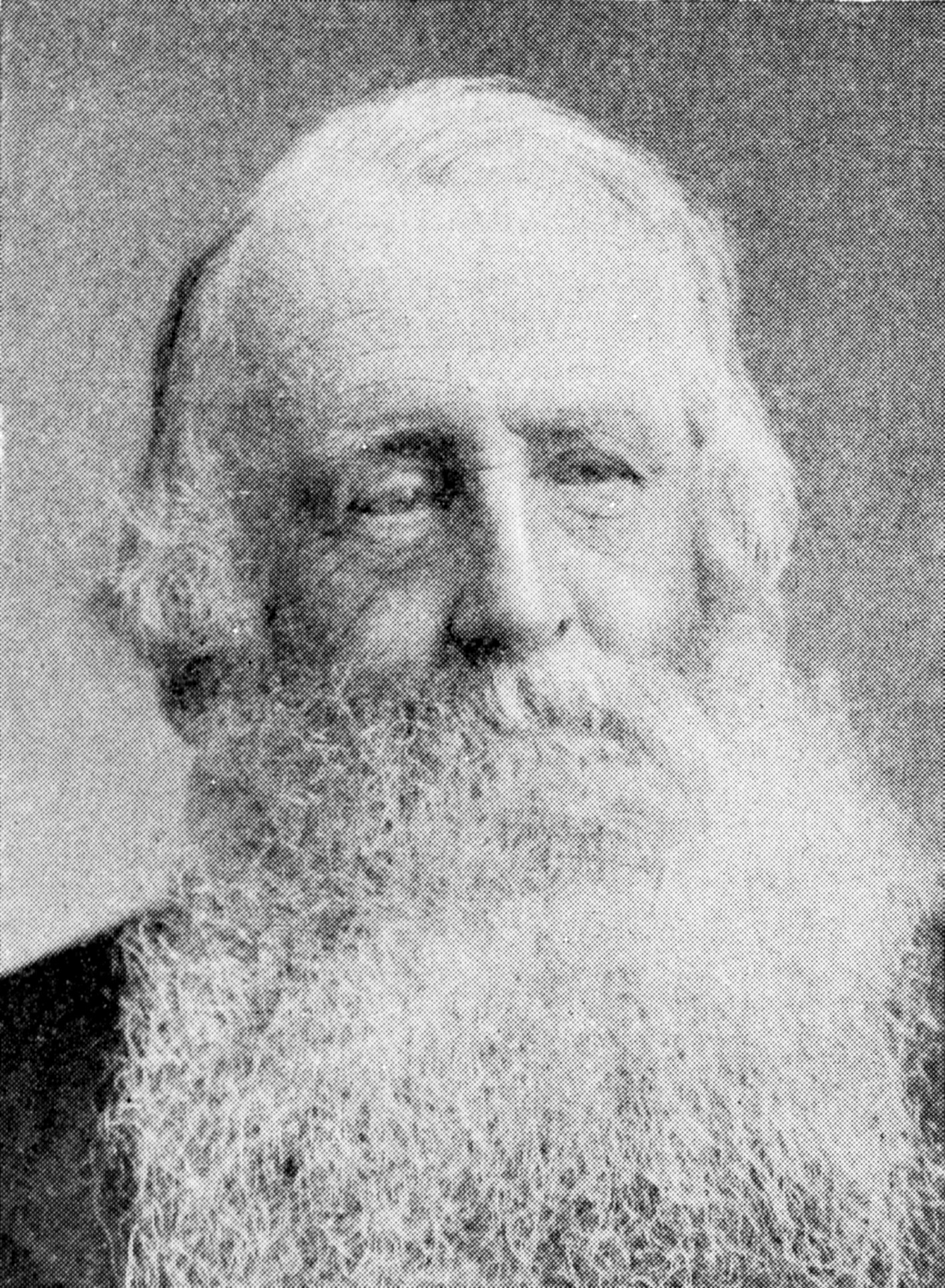
The author and narrator, a Victorian historian and constitutional scholar. He presents himself as a guide through English constitutional history, drawing on extensive research and comparative analysis.
A French-born nobleman who became the champion of English freedom in the 13th century. Freeman portrays him as the founder of the House of Commons and a martyr for constitutional government.
The Norman king who conquered England in 1066. Freeman presents him as a legal-minded ruler who preserved English institutions while transforming them.
An Angevin king whose weakness and favoritism toward foreigners sparked the baronial rebellion. Freeman sees his reign as crucial for constitutional development.
About The Growth of the English Constitution from the Earliest Times
Chapter Summaries
- 1
- Freeman begins by describing Swiss democratic assemblies as living examples of primitive Teutonic institutions. He traces English political origins back to Germanic tribes described by Tacitus, arguing that Anglo-Saxon settlers brought democratic assemblies, limited kingship, and the institution of the comitatus to Britain.
- 2
- This chapter traces constitutional development from the Norman Conquest through Edward I's reign. Freeman argues that the Conquest initially threatened but ultimately strengthened English institutions, culminating in Simon of Montfort's creation of the House of Commons and Edward I's perfection of Parliament.
- 3
- Freeman examines how the constitution evolved from medieval times to the Victorian era, emphasizing the growth of unwritten constitutional conventions alongside formal law. He argues that modern legislation often represents a return to the earliest English principles, casting aside medieval legal complications.
Key Themes
- Constitutional Continuity
- Freeman argues that English constitutional development shows unbroken continuity from Anglo-Saxon times to the Victorian era. He emphasizes how institutions evolved gradually rather than being created anew, with each generation building on inherited foundations.
- The Teutonic Heritage
- The book traces English political institutions back to their Germanic origins, arguing that Anglo-Saxon settlers brought democratic assemblies and limited kingship from their continental homeland. Freeman sees this Teutonic inheritance as the foundation of English liberty.
- Evolutionary vs. Revolutionary Change
- Freeman consistently argues that English constitutional progress came through gradual evolution rather than violent revolution. He contrasts England's organic development with the revolutionary upheavals that destroyed continuity in other European nations.
Characters
- Edward A. Freeman(protagonist)
- The author and narrator, a Victorian historian and constitutional scholar. He presents himself as a guide through English constitutional history, drawing on extensive research and comparative analysis.
- Simon of Montfort, Earl of Leicester(major)
- A French-born nobleman who became the champion of English freedom in the 13th century. Freeman portrays him as the founder of the House of Commons and a martyr for constitutional government.
- William the Conqueror(major)
- The Norman king who conquered England in 1066. Freeman presents him as a legal-minded ruler who preserved English institutions while transforming them.
- Henry III(major)
- An Angevin king whose weakness and favoritism toward foreigners sparked the baronial rebellion. Freeman sees his reign as crucial for constitutional development.
- Edward I(major)
- The king who perfected the English constitution by establishing Parliament in its enduring form. Freeman praises him as the first truly English king after the Conquest.
- Henry VIII(major)
- A Tudor despot who nonetheless preserved parliamentary forms. Freeman argues his respect for legal procedures inadvertently strengthened constitutional government.
Link to this book
Add a free, dofollow link to Lex on your blog, forum, syllabus, or reading list.

<a href="https://lex-books.com/book/the-growth-of-the-english-constitution-from-the-earliest-times-3dd207b1-fd23-49e4-a6c4-08b214e5c674"><img src="https://lex-books.com/badges/read-on-lex.svg" alt="Read The Growth of the English Constitution from the Earliest Times by Edward A. Freeman free on Lex" width="160" height="40"></a>[](https://lex-books.com/book/the-growth-of-the-english-constitution-from-the-earliest-times-3dd207b1-fd23-49e4-a6c4-08b214e5c674)[url=https://lex-books.com/book/the-growth-of-the-english-constitution-from-the-earliest-times-3dd207b1-fd23-49e4-a6c4-08b214e5c674][img]https://lex-books.com/badges/read-on-lex.svg[/img][/url]Read The Growth of the English Constitution from the Earliest Times by Edward A. Freeman free on Lex: https://lex-books.com/book/the-growth-of-the-english-constitution-from-the-earliest-times-3dd207b1-fd23-49e4-a6c4-08b214e5c674Cite this book
Reading this edition for a paper or guide? Copy a citation.
Freeman, Edward A.. The Growth of the English Constitution from the Earliest Times. Lex, lex-books.com/book/the-growth-of-the-english-constitution-from-the-earliest-times-3dd207b1-fd23-49e4-a6c4-08b214e5c674.Freeman, E. A. (1872). The Growth of the English Constitution from the Earliest Times. Lex. https://lex-books.com/book/the-growth-of-the-english-constitution-from-the-earliest-times-3dd207b1-fd23-49e4-a6c4-08b214e5c674Freeman, Edward A.. The Growth of the English Constitution from the Earliest Times. Lex. https://lex-books.com/book/the-growth-of-the-english-constitution-from-the-earliest-times-3dd207b1-fd23-49e4-a6c4-08b214e5c674.