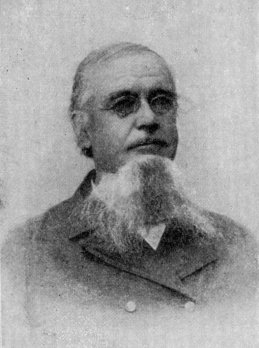
Pietari Päivärinta
Pietari Päivärinta was a Finnish author and chronicler of rural life, whose works vividly depicted the struggles and experiences of the common people in 19th-century Finland. Born in 1827, he dedicated his literary career to exploring the social fabric of Finnish society, particularly during times of hardship such as the famine years of the 1860s. His narratives often blended realism with a deep empathy for his characters, making them relatable and poignant. Notable works like 'Oukkari: Kertomus Kansan Elämästä' and 'Naimisen Juoruja: Kuvaelma Kansan Elämästä' illustrate the everyday lives, traditions, and challenges faced by rural communities, showcasing his commitment to representing the voices of the underprivileged. Päivärinta's writing is characterized by its rich descriptions and keen observations, which provide a window into the cultural and social dynamics of his time. His collection 'Pikakuvia 1867 Katovuodesta Ja Sen Seurauksista' stands out as a critical reflection on the devastating effects of famine, while 'Torpan Poika: Kuvaus Kansan Elämästä' offers a compelling portrait of peasant life. Through his works, Päivärinta not only documented the struggles of his contemporaries but also contributed to the broader Finnish literary tradition, influencing future generations of writers who sought to capture the essence of Finnish identity and experience. He passed away in 1913, leaving behind a legacy that continues to resonate in Finnish literature.
Books from the author



Link to this page
Add a free, dofollow link to Lex on your blog, forum, syllabus, or reading list.

<a href="https://lex-books.com/author/pietari-päivärinta"><img src="https://lex-books.com/badges/read-on-lex.svg" alt="Pietari Päivärinta on Lex" width="160" height="40"></a>[](https://lex-books.com/author/pietari-päivärinta)[url=https://lex-books.com/author/pietari-päivärinta][img]https://lex-books.com/badges/read-on-lex.svg[/img][/url]Pietari Päivärinta on Lex: https://lex-books.com/author/pietari-päivärinta