
Multatuli
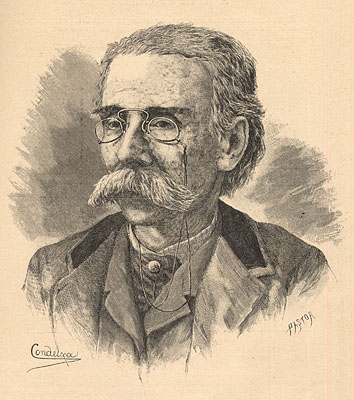
Eduard Douwes Dekker, known by his pen name Multatuli, was a prominent Dutch writer whose work significantly impacted literature and social thought in the 19th century. Born in the Netherlands, he became a civil servant in the Dutch East Indies, where he witnessed firsthand the injustices and exploitation of colonial rule. This experience profoundly influenced his writing, leading him to pen his most famous work, 'Max Havelaar' in 1860. The novel is a scathing critique of colonialism and the moral failings of Dutch society, using satire to expose the harsh realities faced by the Javanese people under colonial rule. It is often regarded as one of the first works of postcolonial literature, making a lasting impression on both Dutch literature and the broader discourse on colonialism. Multatuli's literary significance extends beyond 'Max Havelaar'; his writings challenged societal norms and inspired future generations of writers and activists. He was a pioneer in advocating for social justice and human rights, and his legacy continues to resonate in discussions about colonialism and its lasting effects. Multatuli's bold critique of authority and his commitment to social reform established him as one of the Netherlands' greatest authors, and his work remains a vital part of the literary canon, influencing both Dutch literature and global perspectives on colonialism.
Famous Quotes
View all 3 quotes“Yang terburuk dari adegan-adegan di panggung itu adalah orang menjadi begitu terbiasa dengan kebohongan sehingga mereka terbiasa melontarkan kekaguman dan bertepuk tangan.”
“Sebab kita bersukacita bukan karena memotong padi; kita bersukacita karena memotong padi yang kita tanam sendiri.”
“Dari hidup di kalangan yang memiliki pengaruh kemudian hidup di kalangan bawah masyarakat membuatnya mengetahui bahwa banyak kalangan masyarakat yang tidak memiliki pengaruh dan perlindungan apa-apa.”
Books from the author













Link to this page
Add a free, dofollow link to Lex on your blog, forum, syllabus, or reading list.

<a href="https://lex-books.com/author/multatuli"><img src="https://lex-books.com/badges/read-on-lex.svg" alt="Multatuli on Lex" width="160" height="40"></a>[](https://lex-books.com/author/multatuli)[url=https://lex-books.com/author/multatuli][img]https://lex-books.com/badges/read-on-lex.svg[/img][/url]Multatuli on Lex: https://lex-books.com/author/multatuli