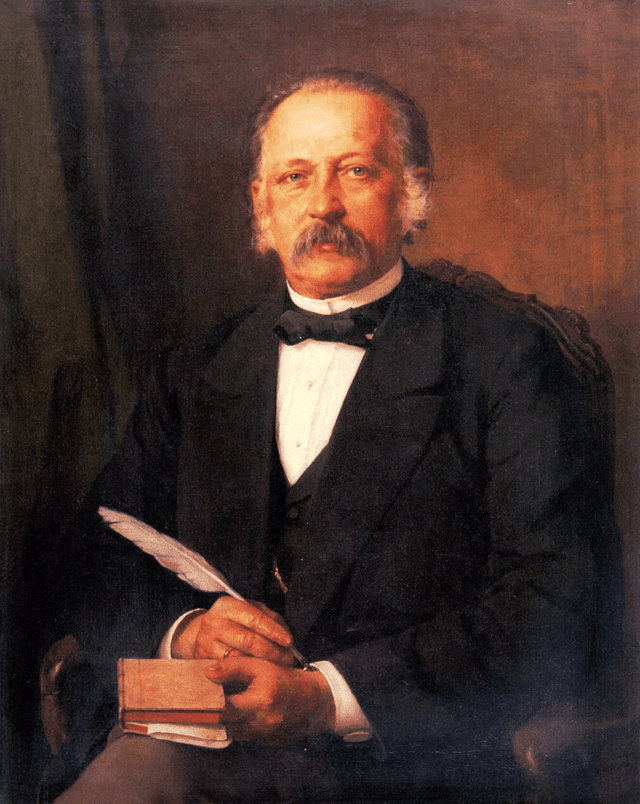
Theodor Fontane
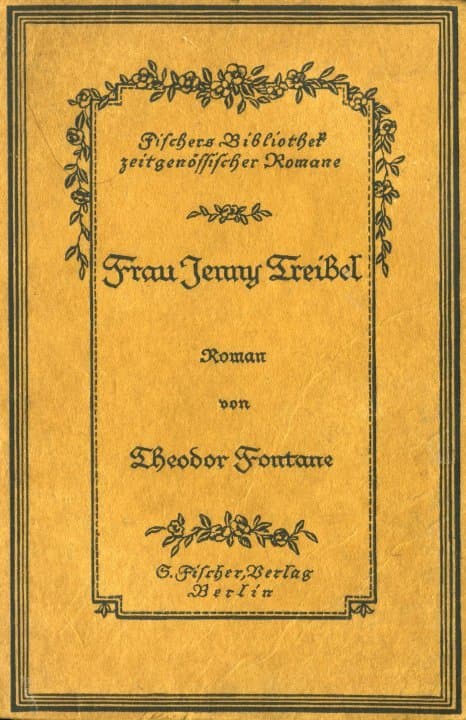
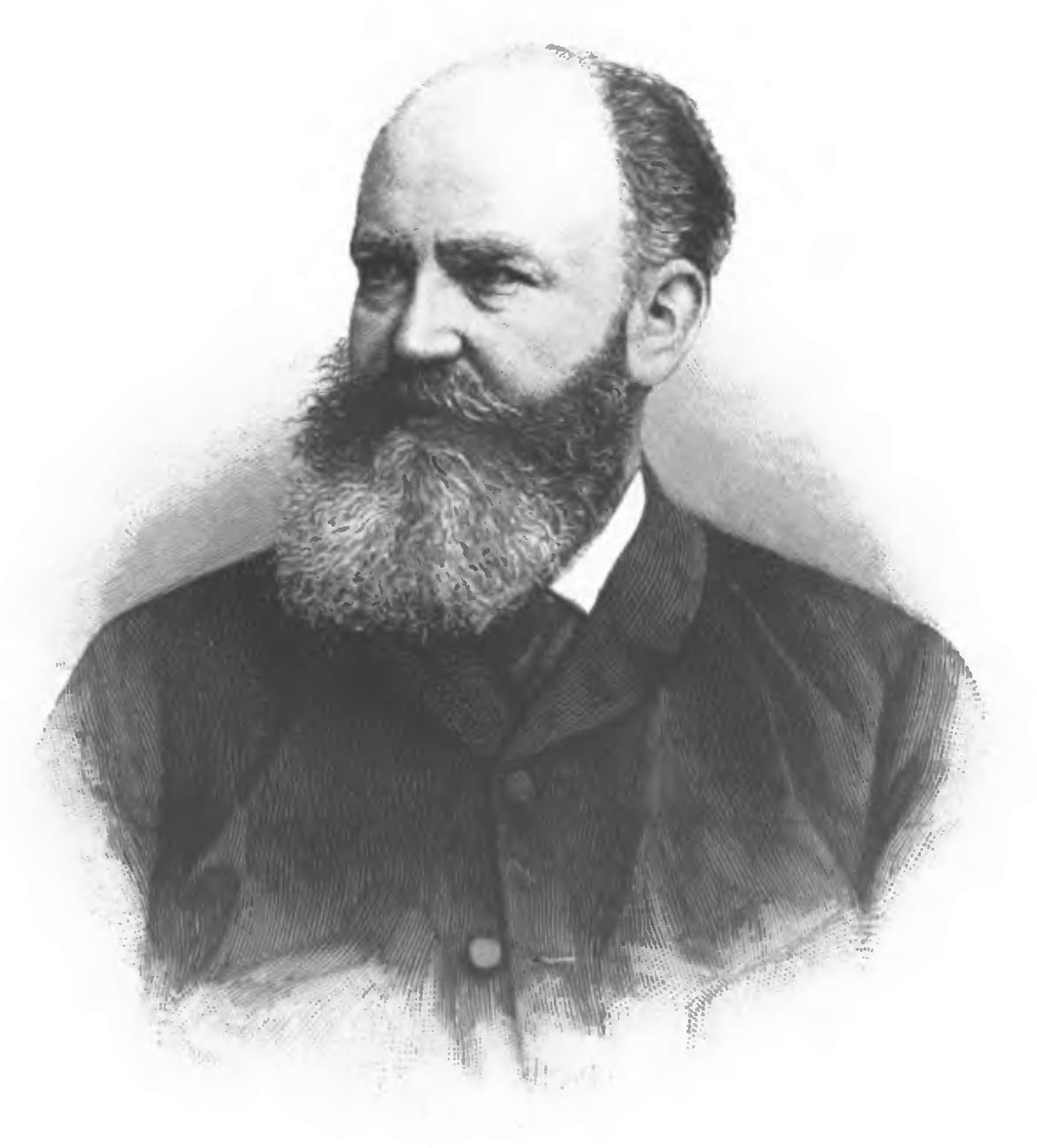
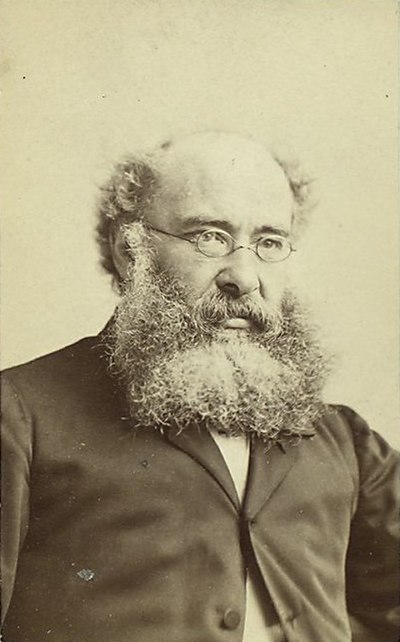
Theodor Fontane was a prominent German novelist and poet, celebrated as a leading figure in 19th-century German realism. Although he began his career as a journalist, it was not until the age of 58 that he published his first major novels, which would define his literary legacy. Fontane's works often tackled subjects considered taboo in his time, such as marital infidelity, class disparities, and the struggles between urban and rural life. His keen observations of society and its complexities are evident in novels like 'Effi Briest' and 'Frau Jenny Treibel', where he skillfully portrayed the lives of characters from various social strata, from the lower-middle class to the Prussian nobility. Fontane's writing is characterized by a commitment to realism, focusing on the factual accuracy of details and the nuanced portrayal of his characters through their actions and dialogues, rather than through overt moral judgments. His narratives often feature strong female protagonists and employ a blend of tender irony and vivid conversation, making his works both engaging and thought-provoking. The impact of Fontane's literature extends beyond his lifetime, influencing subsequent generations of writers and earning adaptations in film and audio formats, solidifying his position as a pivotal figure in German literary history.
Famous Quotes
View all 3 quotes“Bücher haben Ehrgefühl. Wenn man sie verleiht, kommen sie nicht mehr zurück.”
“Ein Optimist ist ein Mensch, der ein Dutzend Austern bestellt, in der Hoffnung, sie mit der Perle, die er darin findet, bezahlen zu können.”
“Ich liebe dich ja… wie heißt es doch, wenn man einen Zweig abbricht und die Blätter abreißt? Von Herzen, mit Schmerzen, über alle Maßen.”
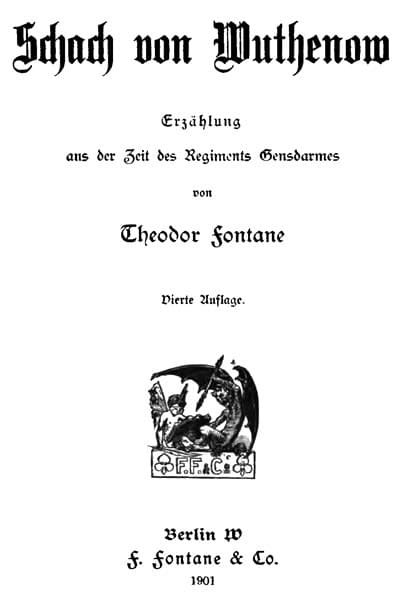
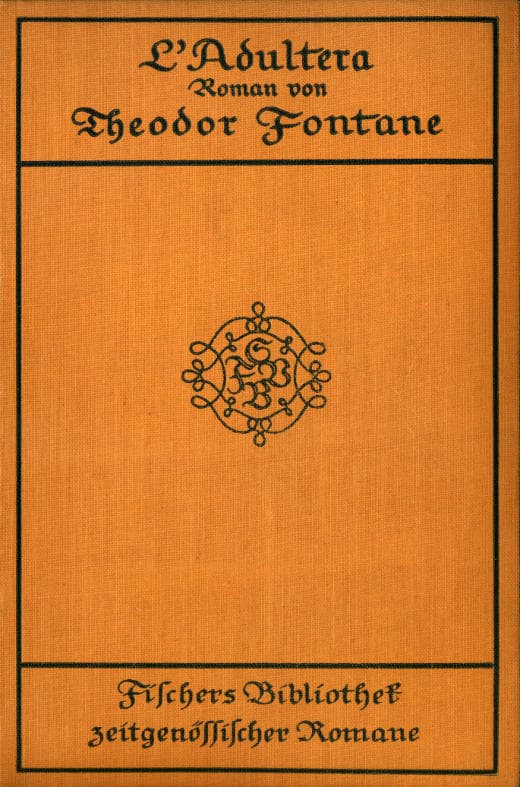
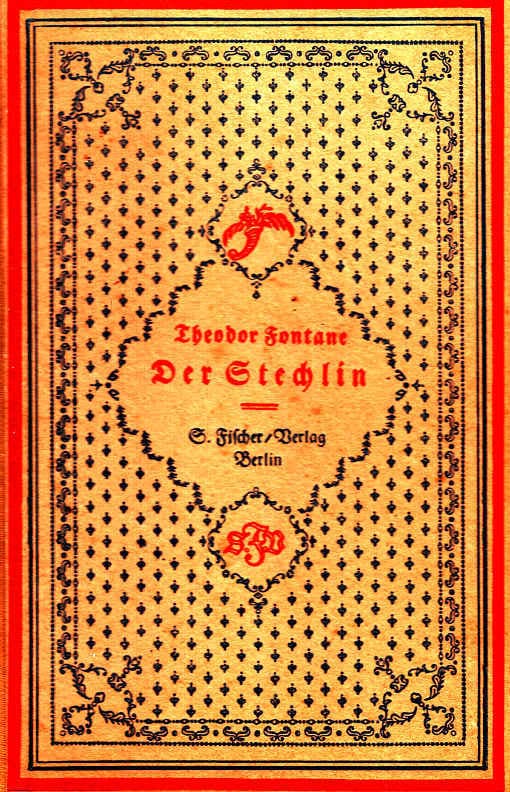
Books from the author






Link to this page
Add a free, dofollow link to Lex on your blog, forum, syllabus, or reading list.

<a href="https://lex-books.com/author/theodor-fontane"><img src="https://lex-books.com/badges/read-on-lex.svg" alt="Theodor Fontane on Lex" width="160" height="40"></a>[](https://lex-books.com/author/theodor-fontane)[url=https://lex-books.com/author/theodor-fontane][img]https://lex-books.com/badges/read-on-lex.svg[/img][/url]Theodor Fontane on Lex: https://lex-books.com/author/theodor-fontane