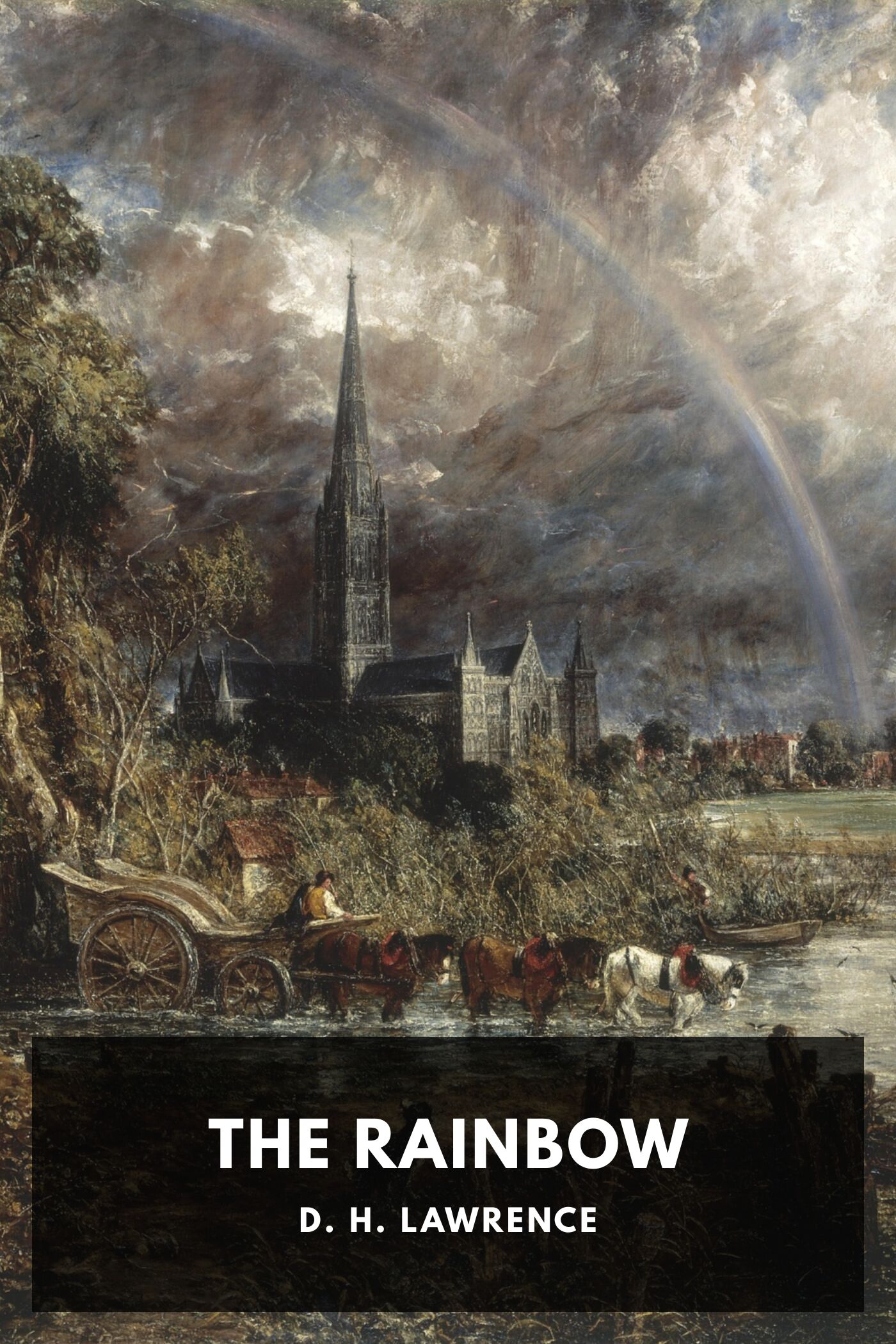
The Rainbow
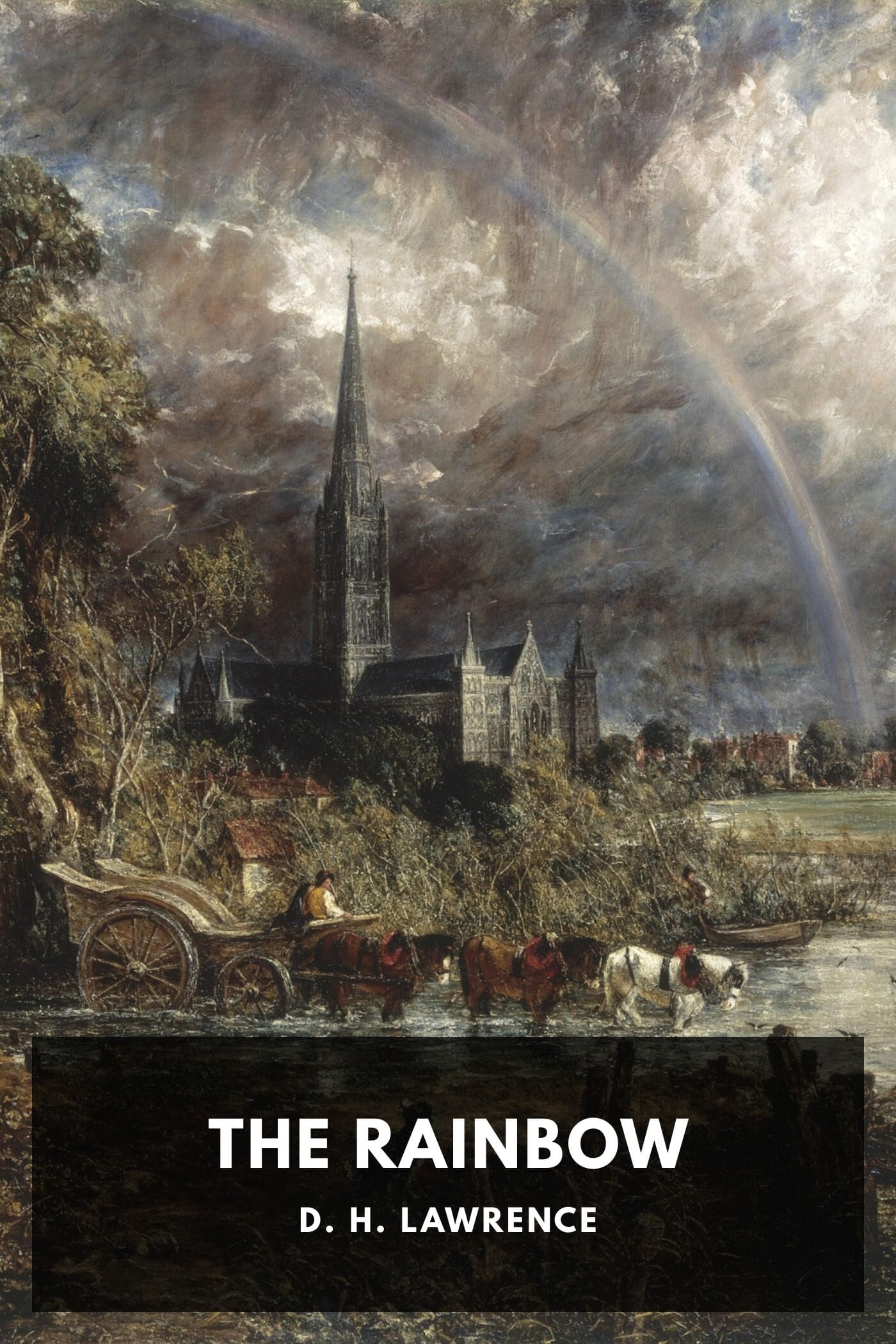
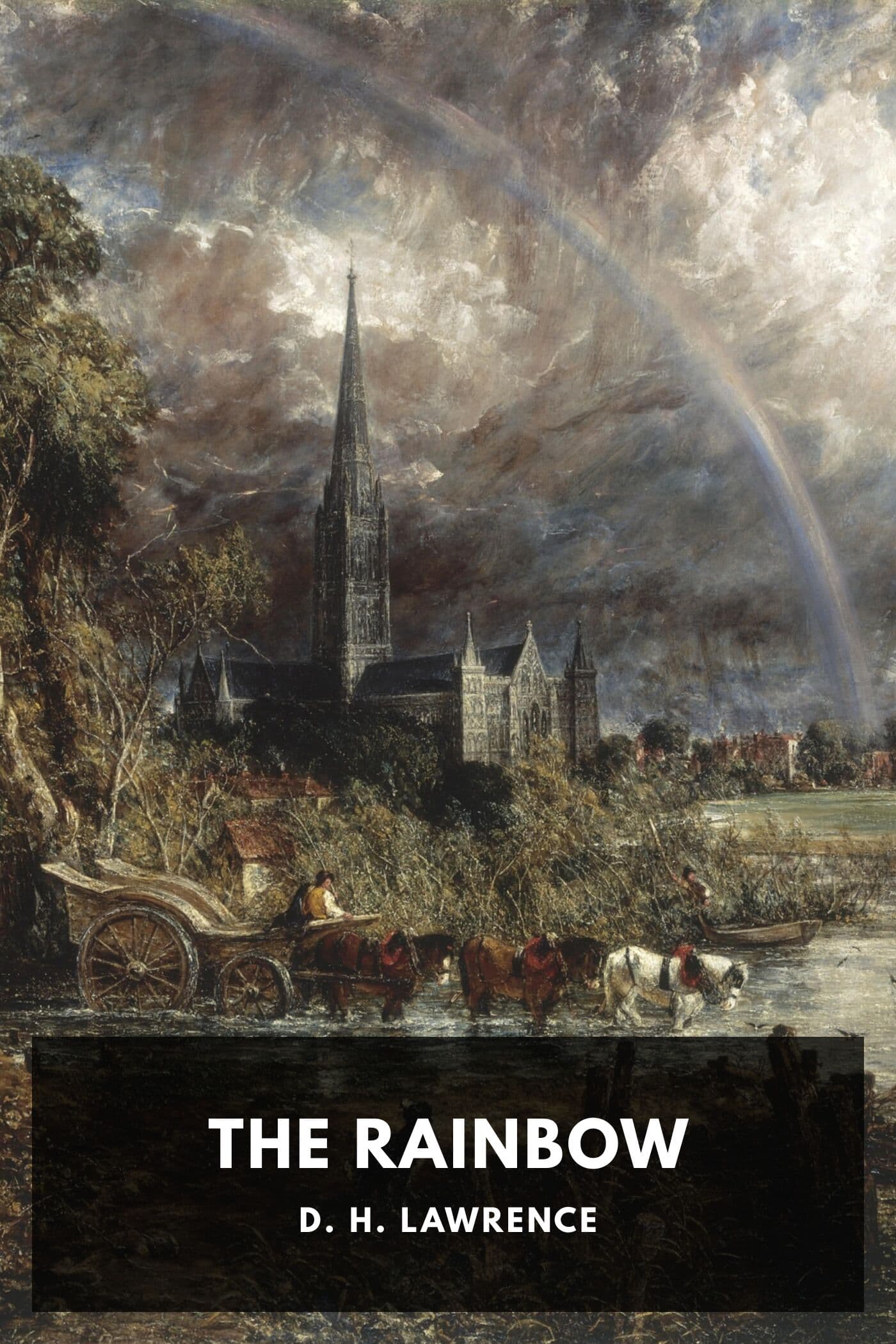
D.H. Lawrence's *The Rainbow* unfurls an epic, generational saga of the Brangwen family, tracing their lives from rustic Nottinghamshire farms through the seismic shifts of the Industrial Revolution. We begin with Tom, a farmer rooted in tradition, and his marriage to Lydia, a Polish immigrant, a union bridging cultural divides. The narrative then pivots to their daughter Anna, whose fiery spirit clashes with her husband Will's insular desires. Finally, the novel culminates with Ursula, a deeply sensual Victorian woman who shatters ancestral norms with travel, career, and radical explorations of desire, including a candidly portrayed homosexual affair, challenging the era's restrictive morality. More than a mere family chronicle, *The Rainbow* is a revolutionary exploration of human sexuality and the relentless march of societal change. Its frank depiction of desire, particularly Ursula's unapologetic physicality, ignited an obscenity trial upon its 1915 publication, leading to its infamous banning and burning. Beyond its scandalous legacy, Lawrence paints a vivid portrait of evolving English life, from pastoral rhythms to urban dynamism, examining how individuals navigate identity and find meaning amidst a world hurtling into modernity, making it a foundational text for understanding the seismic shifts of the early 20th century.
Editions
Link to this book
Add a free, dofollow link to Lex on your blog, forum, syllabus, or reading list.

<a href="https://lex-books.com/book/the-rainbow-aef77199-08a2-4fba-9f78-11e1dd9ab942"><img src="https://lex-books.com/badges/read-on-lex.svg" alt="Read The Rainbow by D. H. Lawrence free on Lex" width="160" height="40"></a>[](https://lex-books.com/book/the-rainbow-aef77199-08a2-4fba-9f78-11e1dd9ab942)[url=https://lex-books.com/book/the-rainbow-aef77199-08a2-4fba-9f78-11e1dd9ab942][img]https://lex-books.com/badges/read-on-lex.svg[/img][/url]Read The Rainbow by D. H. Lawrence free on Lex: https://lex-books.com/book/the-rainbow-aef77199-08a2-4fba-9f78-11e1dd9ab942Cite this book
Reading this edition for a paper or guide? Copy a citation.
Lawrence, D. H.. The Rainbow. Lex, lex-books.com/book/the-rainbow-aef77199-08a2-4fba-9f78-11e1dd9ab942.Lawrence, D. H. (n.d.). The Rainbow. Lex. https://lex-books.com/book/the-rainbow-aef77199-08a2-4fba-9f78-11e1dd9ab942Lawrence, D. H.. The Rainbow. Lex. https://lex-books.com/book/the-rainbow-aef77199-08a2-4fba-9f78-11e1dd9ab942.