Birds, Beasts and Flowers
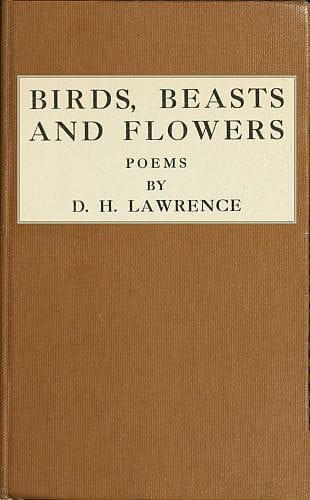
D.H. Lawrence wrote these poems during five years of wandering through Italy, Sicily, Ceylon, Australia, and New Mexico, and you can feel the heat of distant suns in every line. This is not nature poetry as English readers expected it. Lawrence refused to sentimentalize, to anthropomorphize, to make creatures into symbols of human feeling. Instead, he insisted on their radical otherness, their dignity, their mysterious completeness unto themselves. A snake is not a temptation or a shadow of evil; a tortoise is not patience or wisdom. They simply are, and Lawrence approaches them with the attentiveness of a philosopher and the sensuality of a lover. The collection moves from fruits through flowers to reptiles, birds, and finally beasts, each section prefaced with fragments of pre-Socratic Greek philosophy, as if Lawrence sought ancient witnesses to his vision. Some of these poems are among the most anthologized in twentieth-century English verse, but they reveal their full power only in sequence, building into a sustained meditation on what it means to be alive in a world where humans are not the measure of all things.
Editions
X-Ray
“I love you, rotten,Delicious rottenness....wonderful are the hellish experiences,Orphic, delicateDionysos of the Underworld.””
— D. H. Lawrence
Link to this book
Add a free, dofollow link to Lex on your blog, forum, syllabus, or reading list.

<a href="https://lex-books.com/book/birds-beasts-and-flowers-33b90fbd-e29a-43f4-8349-64e98976f395"><img src="https://lex-books.com/badges/read-on-lex.svg" alt="Read Birds, Beasts and Flowers by D. H. Lawrence free on Lex" width="160" height="40"></a>[](https://lex-books.com/book/birds-beasts-and-flowers-33b90fbd-e29a-43f4-8349-64e98976f395)[url=https://lex-books.com/book/birds-beasts-and-flowers-33b90fbd-e29a-43f4-8349-64e98976f395][img]https://lex-books.com/badges/read-on-lex.svg[/img][/url]Read Birds, Beasts and Flowers by D. H. Lawrence free on Lex: https://lex-books.com/book/birds-beasts-and-flowers-33b90fbd-e29a-43f4-8349-64e98976f395Cite this book
Reading this edition for a paper or guide? Copy a citation.
Lawrence, D. H.. Birds, Beasts and Flowers. Lex, lex-books.com/book/birds-beasts-and-flowers-33b90fbd-e29a-43f4-8349-64e98976f395.Lawrence, D. H. (n.d.). Birds, Beasts and Flowers. Lex. https://lex-books.com/book/birds-beasts-and-flowers-33b90fbd-e29a-43f4-8349-64e98976f395Lawrence, D. H.. Birds, Beasts and Flowers. Lex. https://lex-books.com/book/birds-beasts-and-flowers-33b90fbd-e29a-43f4-8349-64e98976f395.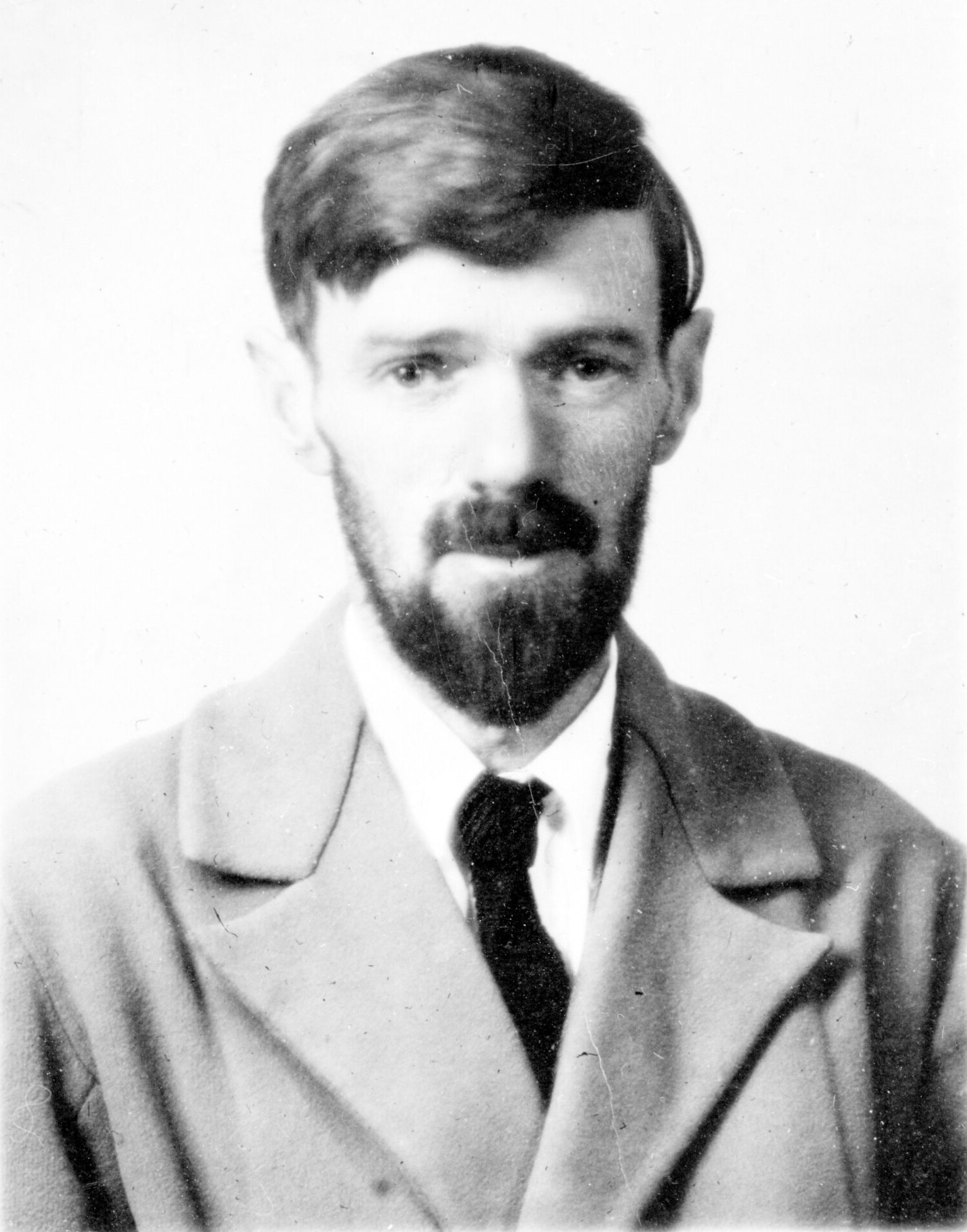





![Birds and Nature, Vol. 12 No. 1 [June 1902]illustrated by Color Photography](/_next/image?url=https%3A%2F%2Fd3b2n8gj62qnwr.cloudfront.net%2FCOVERS%2Fgutenberg_covers75k%2Febook-47881.png&w=3840&q=75)