Fantasia of the Unconscious
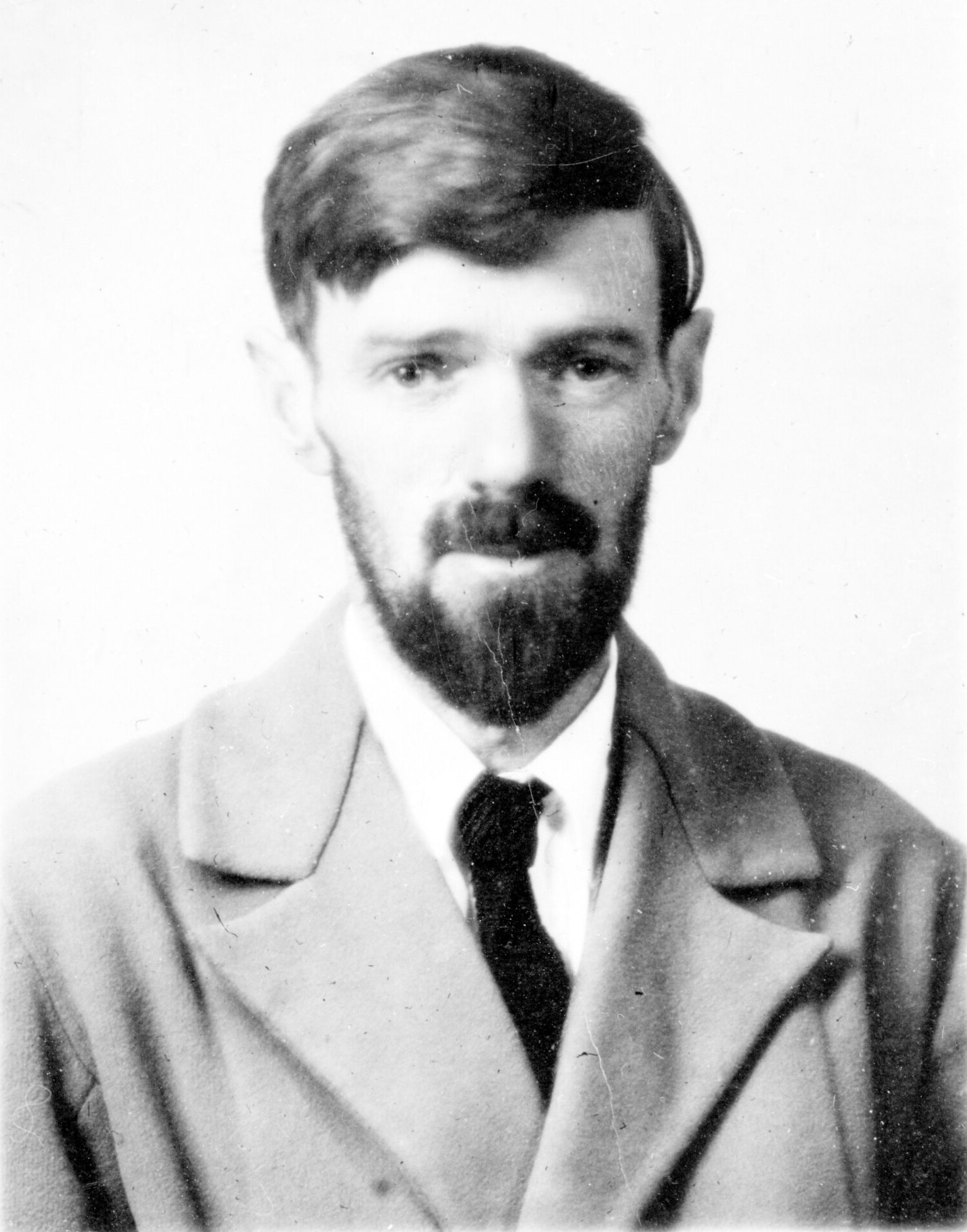
In this combustible 1922 polemic, Lawrence turns his ferocious intelligence on Freud and the emerging psychoanalytic establishment. He wasn't interested in their reduction of the human soul to sexual mechanics. Fantasia of the Unconscious is Lawrence's counter-manifesto: a passionate argument that beneath the conscious mind lies not a seething cauldron of repressed desires, but a creative wellspring that animates us toward transcendence, art, and life itself. Writing with the intensity of a prophet and the precision of a philosopher, Lawrence rejects the clinical gaze that would objectify human experience. He demands we recognize the higher impulses that drive us beyond mere survival, beyond the bedroom, toward something vast and vital. This is Lawrence at his most confrontational, his most unapologetic, daring readers to question whether they've been thinking about the mind all wrong.
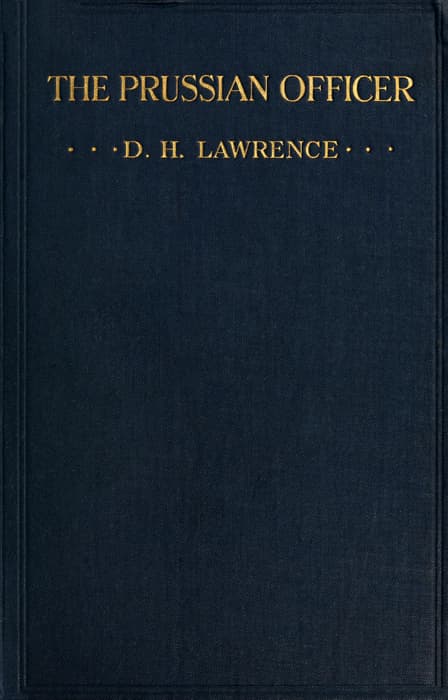
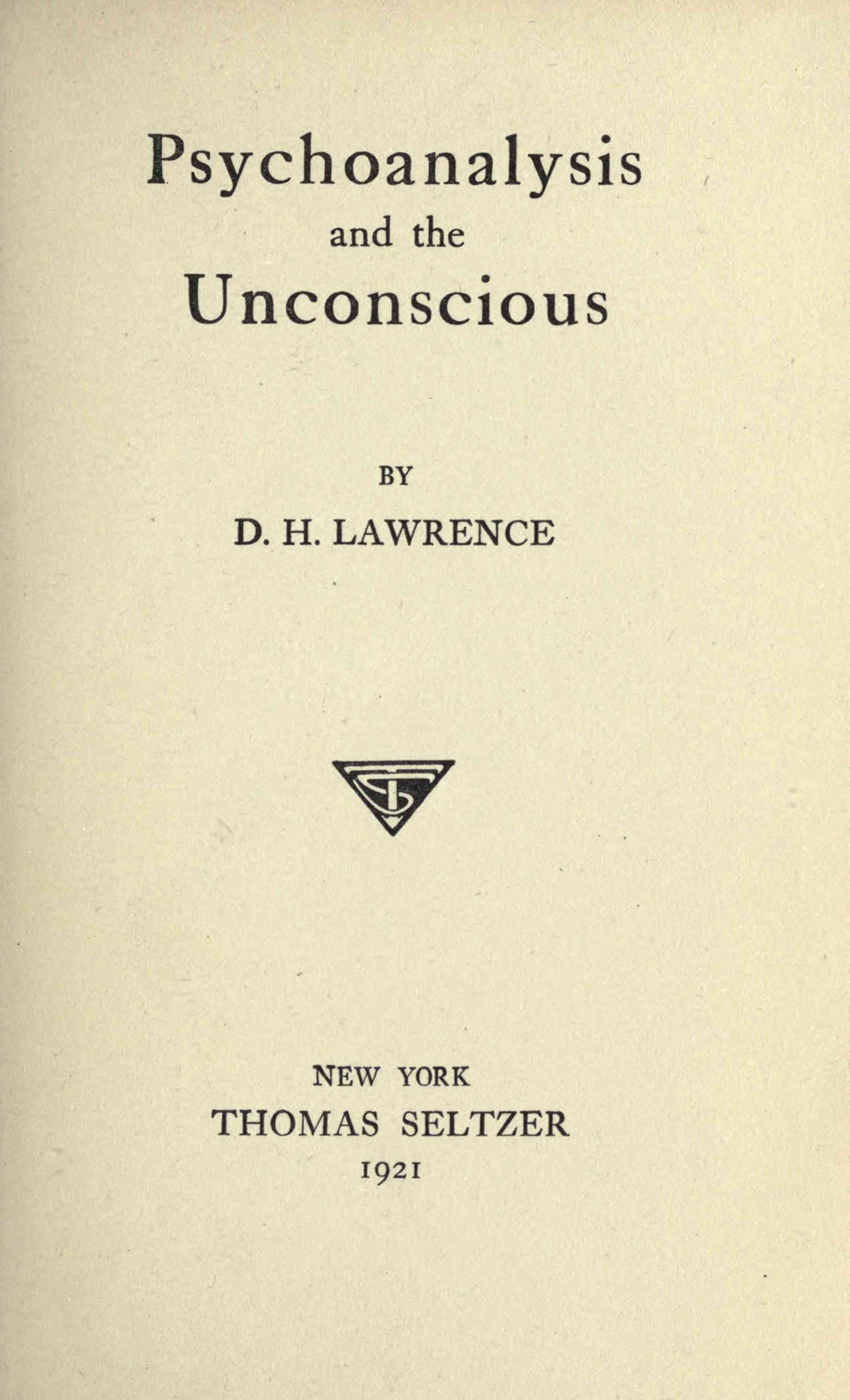
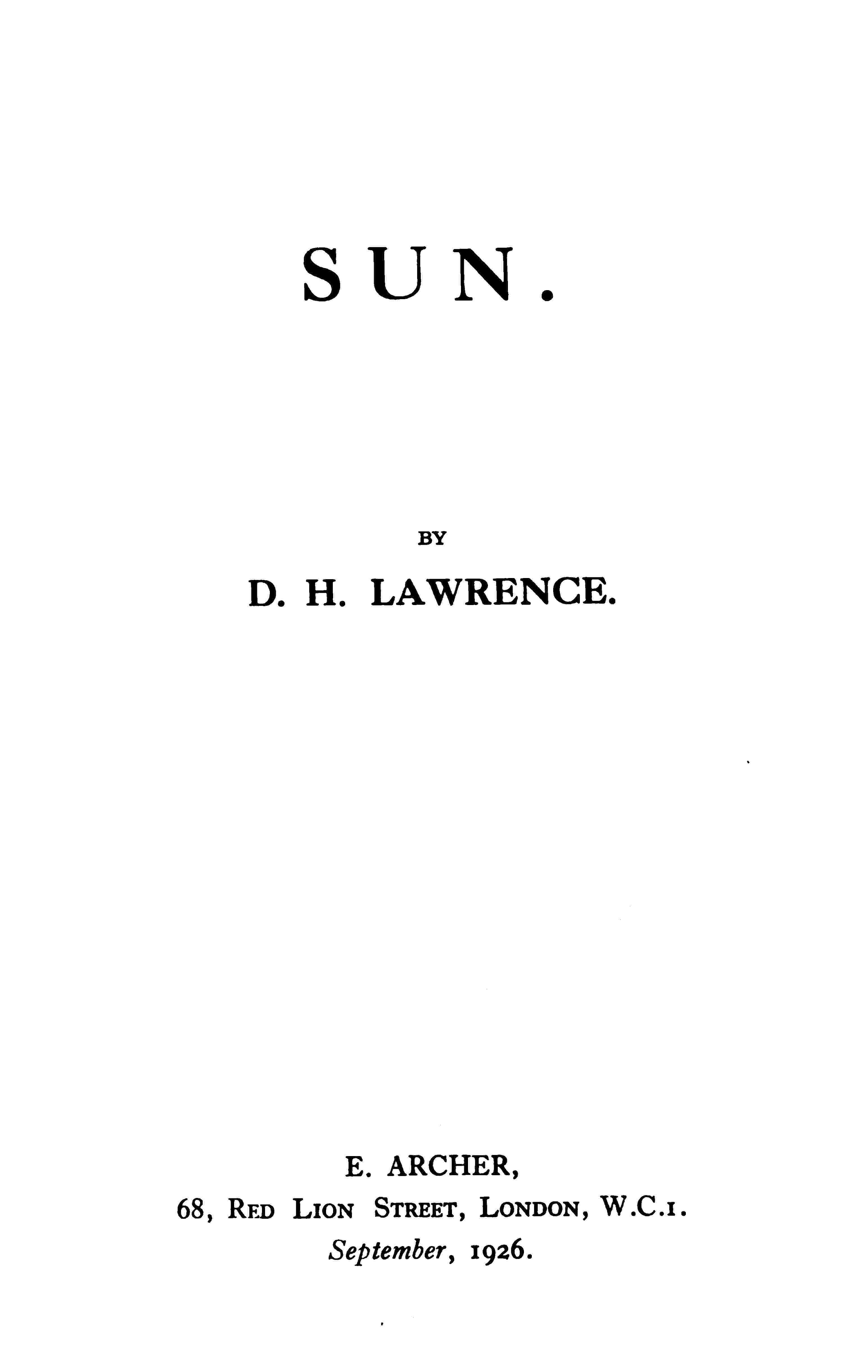
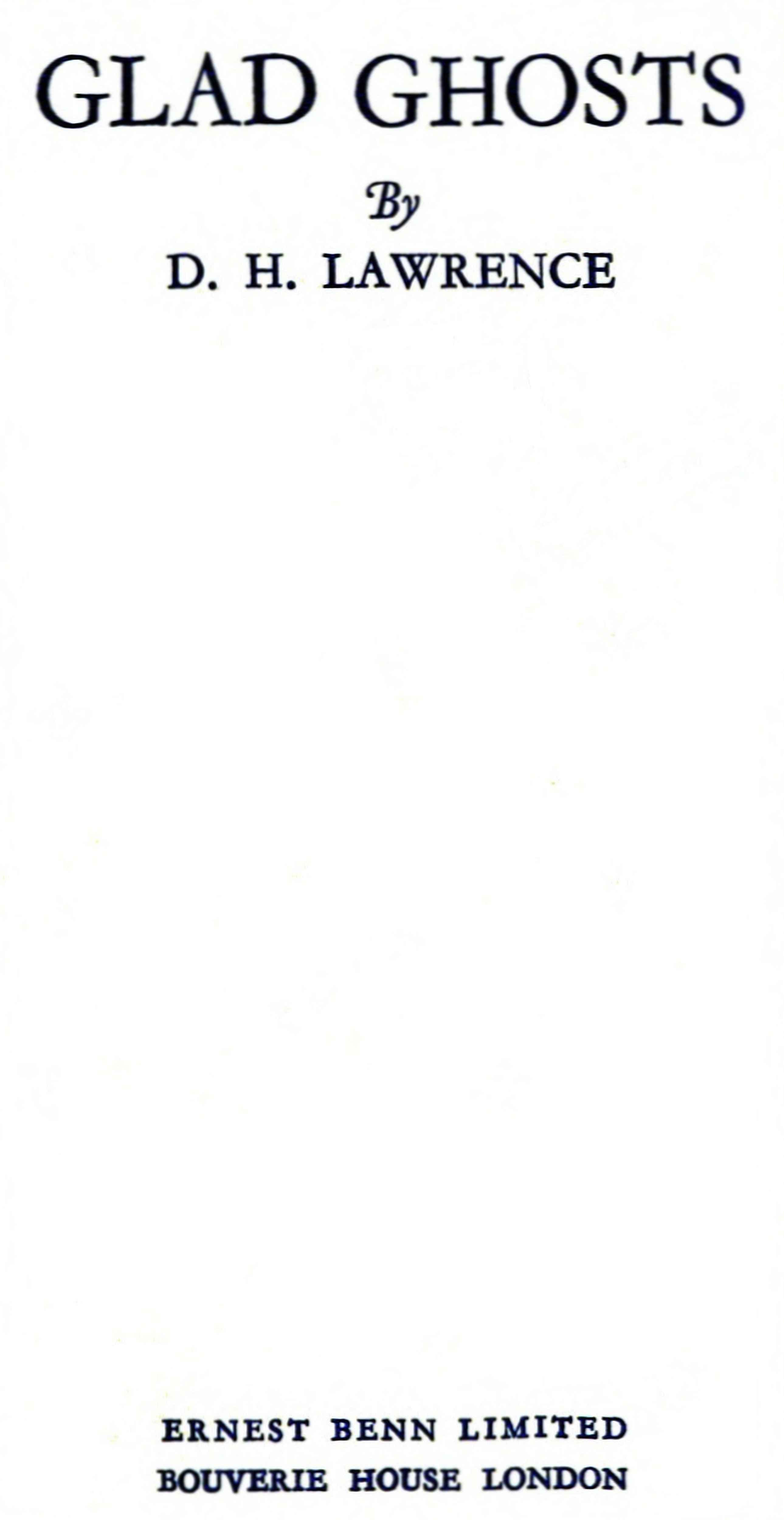
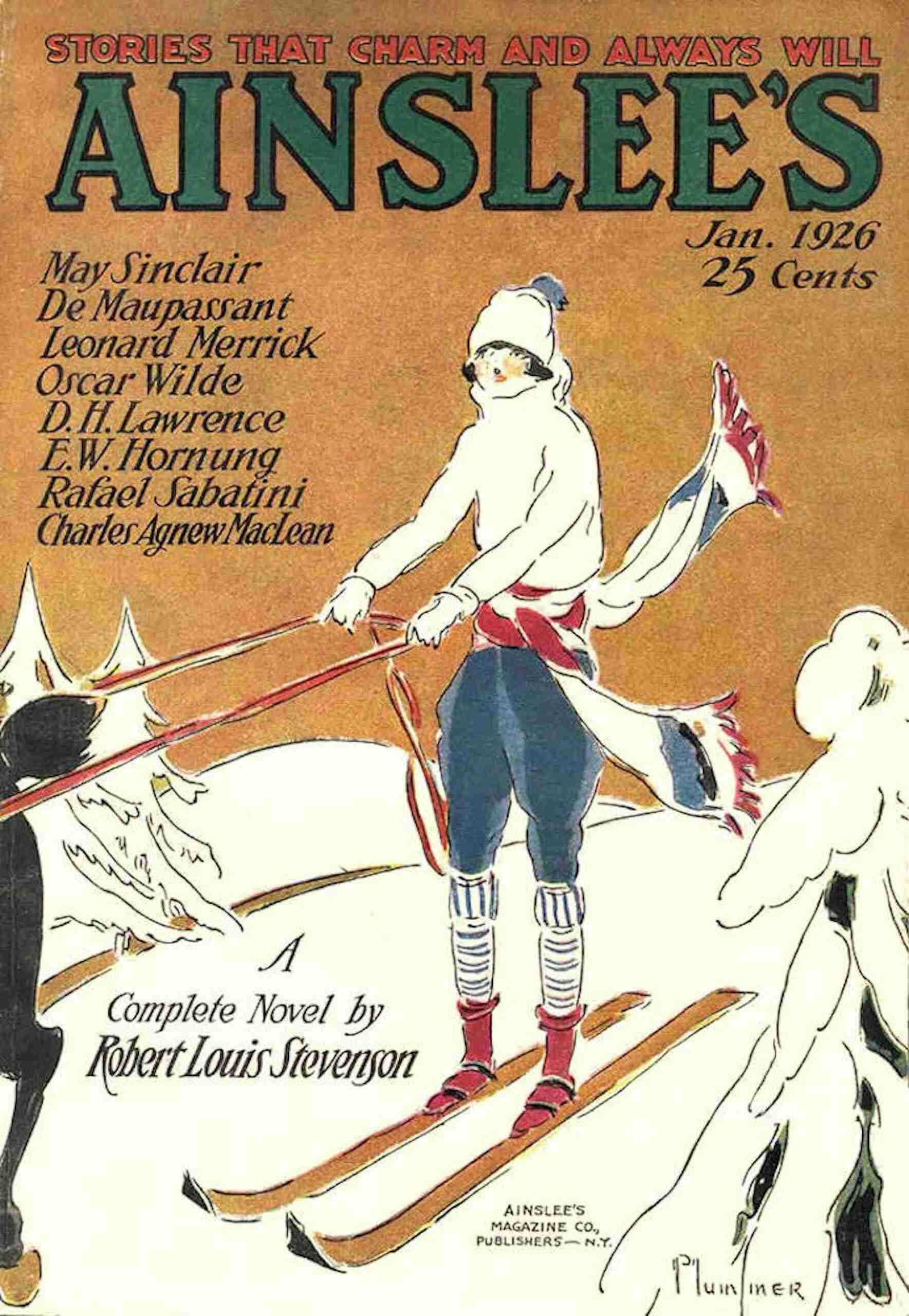
Editions
X-Ray
“Cause-and-effect will not explain even the individuality of a single dandelion.””
— D. H. Lawrence
“The mosquito knows full well, small as he is he’s a beast of prey. But after all he only takes his bellyful, he doesn’t put my blood in the bank.””
— D. H. Lawrence
“But I will have it. I will love”
— D. H. Lawrence
“Man has made such a mighty struggle to feel at home on the face of the earth, without even yet succeeding.””
— D. H. Lawrence
“You pluck flower after flower”
— D. H. Lawrence
“she would be free of mundane care, she was a pure will towards right. She had sold herself, but she had a new freedom. She had got rid of her body. She had sold a lower thing, her body, for a higher thing, her freedom from material things.””
— D. H. Lawrence
“What we mean is that people may go on, keep on, and rush on, without souls. They have their ego and their will, that is enough to keep them going.””
— D. H. Lawrence
“They dun what they can. But it’s a hard job, it is, ter keep ‘em all goin’.””
— D. H. Lawrence
“The eyelashes droop a little in the dark, ageless, vulnerable faces. The drum is a heart beating with insistent thuds. And the spirits of the men go out on the ether, vibrating in waves from the hot, dark, intentional blood, seeking the creative presence that hovers for ever in the ether, seeking the identification, following on down the mysterious rhythms of the creative pulse, on and on into the germinating quick of the maize that lies under the ground, there, with the throbbing, pulsing, clapping rhythm that comes from the dark, creative blood in man, to stimulate the tremulous, pulsating protoplasm in the seed-germ, till it throws forth its rhythms of creative energy into rising blades of leaf and stem.””
— D. H. Lawrence
Link to this book
Add a free, dofollow link to Lex on your blog, forum, syllabus, or reading list.

<a href="https://lex-books.com/book/fantasia-of-the-unconscious-03bf4cf2-8e78-49c0-8631-08ea9ae6098d"><img src="https://lex-books.com/badges/read-on-lex.svg" alt="Read Fantasia of the Unconscious by D. H. Lawrence free on Lex" width="160" height="40"></a>[](https://lex-books.com/book/fantasia-of-the-unconscious-03bf4cf2-8e78-49c0-8631-08ea9ae6098d)[url=https://lex-books.com/book/fantasia-of-the-unconscious-03bf4cf2-8e78-49c0-8631-08ea9ae6098d][img]https://lex-books.com/badges/read-on-lex.svg[/img][/url]Read Fantasia of the Unconscious by D. H. Lawrence free on Lex: https://lex-books.com/book/fantasia-of-the-unconscious-03bf4cf2-8e78-49c0-8631-08ea9ae6098dCite this book
Reading this edition for a paper or guide? Copy a citation.
Lawrence, D. H.. Fantasia of the Unconscious. Lex, lex-books.com/book/fantasia-of-the-unconscious-03bf4cf2-8e78-49c0-8631-08ea9ae6098d.Lawrence, D. H. (n.d.). Fantasia of the Unconscious. Lex. https://lex-books.com/book/fantasia-of-the-unconscious-03bf4cf2-8e78-49c0-8631-08ea9ae6098dLawrence, D. H.. Fantasia of the Unconscious. Lex. https://lex-books.com/book/fantasia-of-the-unconscious-03bf4cf2-8e78-49c0-8631-08ea9ae6098d.