Les Grandes Espérances
1861
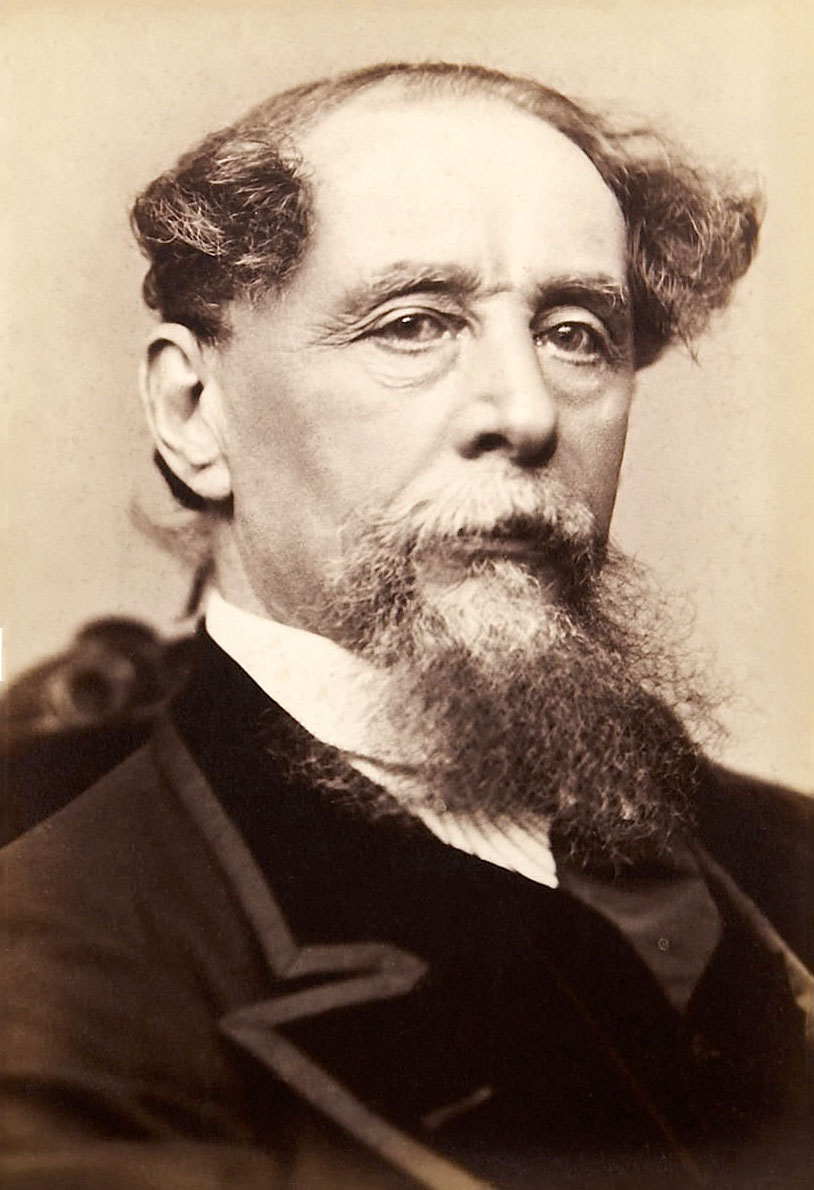
Les Grandes Espérances, published in 1861 by Charles Dickens, follows the life of Philip 'Pip' Pirrip, an orphan raised by his sister and her husband. The novel explores themes of social class, ambition, and personal growth as Pip navigates his childhood and adolescence, encountering an escaped convict and grappling with his aspirations and moral dilemmas. Notable for its rich character development and psychological depth, this bildungsroman reflects on identity and social mobility in Victorian England.
Editions
X-Ray
“I loved her against reason, against promise, against peace, against hope, against happiness, against all discouragement that could be.””
— Charles Dickens
“Suffering has been stronger than all other teaching, and has taught me to understand what your heart used to be. I have been bent and broken, but - I hope - into a better shape.””
— Charles Dickens
“Heaven knows we need never be ashamed of our tears, for they are rain upon the blinding dust of earth, overlying our hard hearts. I was better after I had cried, than before--more sorry, more aware of my own ingratitude, more gentle.””
— Charles Dickens
“We need never be ashamed of our tears.””
— Charles Dickens
“Love her, love her, love her! If she favours you, love her. If she wounds you, love her. If she tears your heart to pieces – and as it gets older and stronger, it will tear deeper – love her, love her, love her!””
— Charles Dickens
“In a word, I was too cowardly to do what I knew to be right, as I had been too cowardly to avoid doing what I knew to be wrong.””
— Charles Dickens
“It was one of those March days when the sun shines hot and the wind blows cold: when it is summer in the light, and winter in the shade.””
— Charles Dickens
“Out of my thoughts! You are part of my existence, part of myself. You have been in every line I have ever read, since I first came here, the rough common boy whose poor heart you wounded even then. You have been in every prospect I have ever seen since – on the river, on the sails of the ships, on the marshes, in the clouds, in the light, in the darkness, in the wind, in the woods, in the sea, in the streets. You have been the embodiment of every graceful fancy that my mind has ever become acquainted with. The stones of which the strongest London buildings are made, are not more real, or more impossible to displace with your hands, than your presence and influence have been to me, there and everywhere, and will be. Estella, to the last hour of my life, you cannot choose but remain part of my character, part of the little good in me, part of the evil. But, in this separation I associate you only with the good, and I will faithfully hold you to that always, for you must have done me far more good than harm, let me feel now what sharp distress I may. O God bless you, God forgive you!””
— Charles Dickens
“There was a long hard time when I kept far from me the remembrance of what I had thrown away when I was quite ignorant of its worth.””
— Charles Dickens
Link to this book
Add a free, dofollow link to Lex on your blog, forum, syllabus, or reading list.

<a href="https://lex-books.com/book/les-grandes-esp-rances-957ab3ec-4a16-49db-8cbf-225e544fbd7b"><img src="https://lex-books.com/badges/read-on-lex.svg" alt="Read Les Grandes Espérances by Charles Dickens free on Lex" width="160" height="40"></a>[](https://lex-books.com/book/les-grandes-esp-rances-957ab3ec-4a16-49db-8cbf-225e544fbd7b)[url=https://lex-books.com/book/les-grandes-esp-rances-957ab3ec-4a16-49db-8cbf-225e544fbd7b][img]https://lex-books.com/badges/read-on-lex.svg[/img][/url]Read Les Grandes Espérances by Charles Dickens free on Lex: https://lex-books.com/book/les-grandes-esp-rances-957ab3ec-4a16-49db-8cbf-225e544fbd7bCite this book
Reading this edition for a paper or guide? Copy a citation.
Dickens, Charles. Les Grandes Espérances. Lex, lex-books.com/book/les-grandes-esp-rances-957ab3ec-4a16-49db-8cbf-225e544fbd7b.Dickens, C. (1861). Les Grandes Espérances. Lex. https://lex-books.com/book/les-grandes-esp-rances-957ab3ec-4a16-49db-8cbf-225e544fbd7bDickens, Charles. Les Grandes Espérances. Lex. https://lex-books.com/book/les-grandes-esp-rances-957ab3ec-4a16-49db-8cbf-225e544fbd7b.