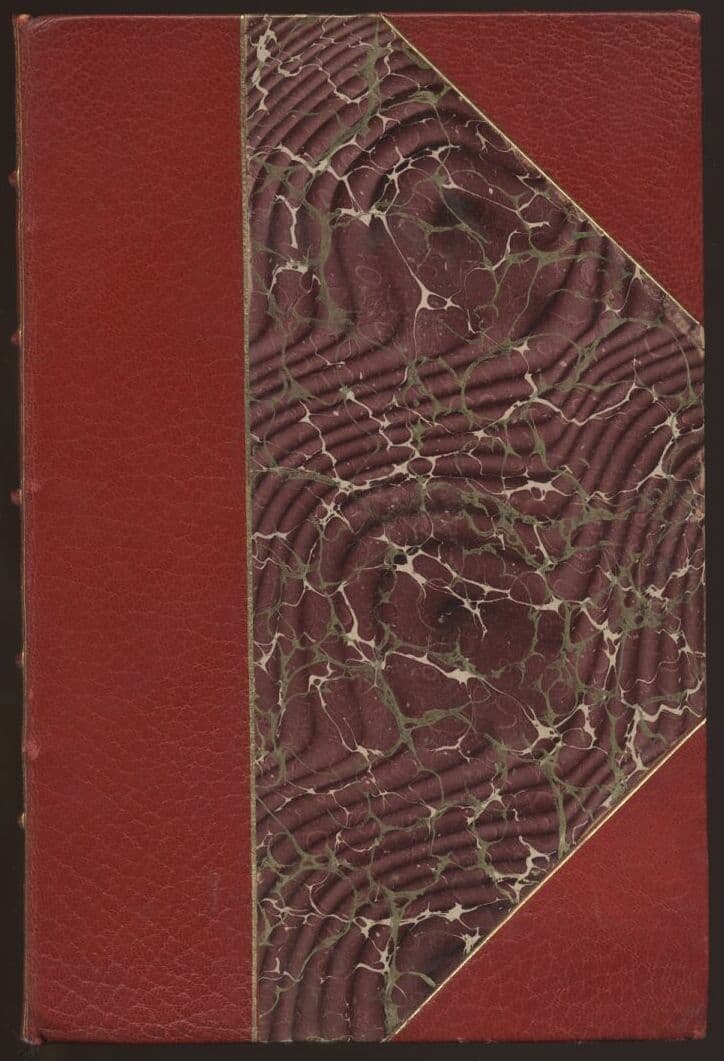
Oliver Twist; Or, The Parish Boy's Progress. Illustrated
1838
Oliver Twist; Or, The Parish Boy's Progress. Illustrated
1838
The most dangerous place in Victorian England isn't the thieves' den of Fagin's London, it is the institution that calls itself a refuge. When young Oliver Twist is bold enough to ask for more gruel, he is cast out into a world that treats orphans as commodity, not children. Dickens's ferocious, unsentimental novel follows this parish boy as he stumbles from the workhouse's starvation diets into the criminal underworld, where pickpockets become family and survival demands complicity. But Oliver's stubborn refusal to surrender his goodness is the engine of the story, Nancy sees it, Rose Maylie protects it, and the reader never stops hoping the world will not break him. This is Dickens at his angriest: a novel written to make the comfortable uncomfortable, to expose the workhouse as a crucible of cruelty and London's streets as a moral labyrinth. It remains vital because poverty still shapes destinies, and the question of whether kindness can survive in a world designed to crush it has never stopped being urgent.
Editions
X-Ray
“İnsanoğlu eninde sonunda insandır. Onları istediğiniz kadar yükseltin, daha yüksek, daha önemli mevkilere getirin. İpek kaftanlarıyla kokartlı şapkalarını aldığınız zaman eski ağırbaşlılıklarını kaybedecekler ve halk üzerinde eskisi kadar etki kuramayacaklardır.””
— Charles Dickens
Link to this book
Add a free, dofollow link to Lex on your blog, forum, syllabus, or reading list.

<a href="https://lex-books.com/book/oliver-twist-or-the-parish-boy-s-progress-illustrated-02b98ef3-276c-4619-ac92-df0e160fdce2"><img src="https://lex-books.com/badges/read-on-lex.svg" alt="Read Oliver Twist; Or, The Parish Boy's Progress. Illustrated by Charles Dickens free on Lex" width="160" height="40"></a>[](https://lex-books.com/book/oliver-twist-or-the-parish-boy-s-progress-illustrated-02b98ef3-276c-4619-ac92-df0e160fdce2)[url=https://lex-books.com/book/oliver-twist-or-the-parish-boy-s-progress-illustrated-02b98ef3-276c-4619-ac92-df0e160fdce2][img]https://lex-books.com/badges/read-on-lex.svg[/img][/url]Read Oliver Twist; Or, The Parish Boy's Progress. Illustrated by Charles Dickens free on Lex: https://lex-books.com/book/oliver-twist-or-the-parish-boy-s-progress-illustrated-02b98ef3-276c-4619-ac92-df0e160fdce2Cite this book
Reading this edition for a paper or guide? Copy a citation.
Dickens, Charles. Oliver Twist; Or, The Parish Boy's Progress. Illustrated. Lex, lex-books.com/book/oliver-twist-or-the-parish-boy-s-progress-illustrated-02b98ef3-276c-4619-ac92-df0e160fdce2.Dickens, C. (1838). Oliver Twist; Or, The Parish Boy's Progress. Illustrated. Lex. https://lex-books.com/book/oliver-twist-or-the-parish-boy-s-progress-illustrated-02b98ef3-276c-4619-ac92-df0e160fdce2Dickens, Charles. Oliver Twist; Or, The Parish Boy's Progress. Illustrated. Lex. https://lex-books.com/book/oliver-twist-or-the-parish-boy-s-progress-illustrated-02b98ef3-276c-4619-ac92-df0e160fdce2.