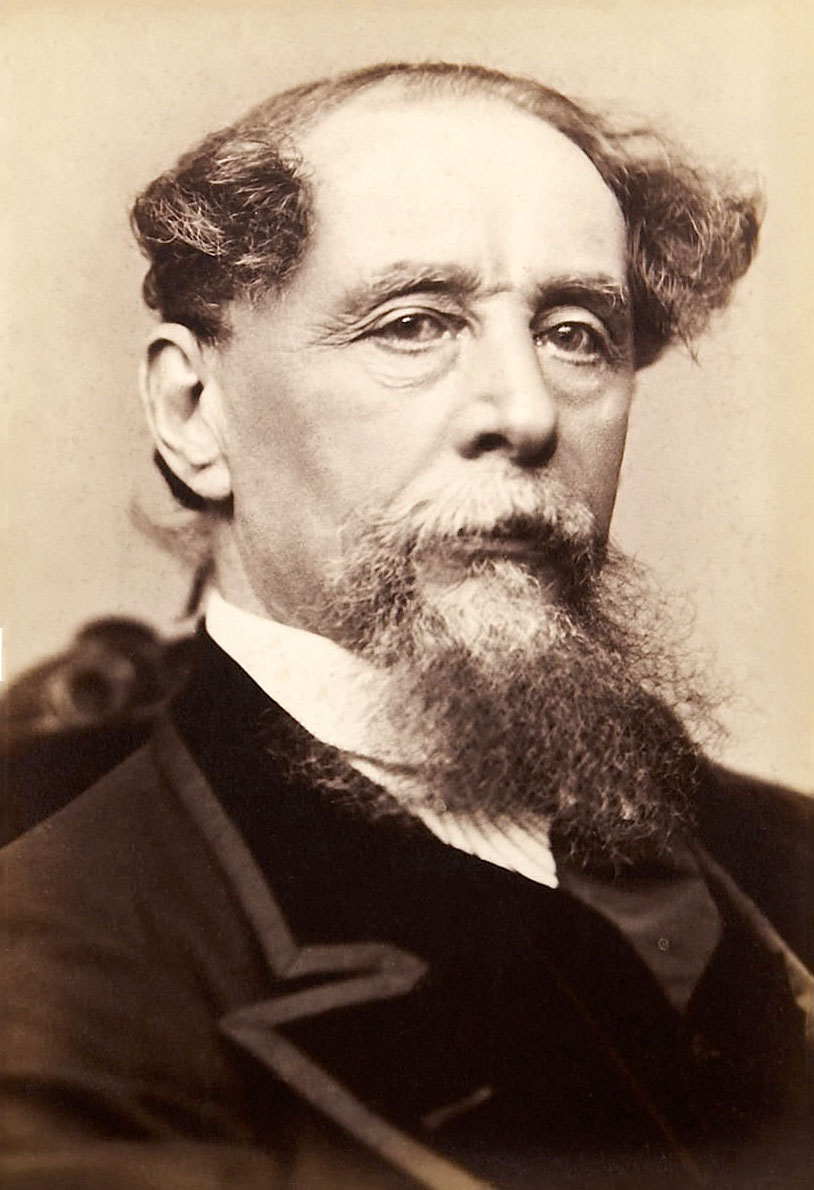
Zwei Städte
1859
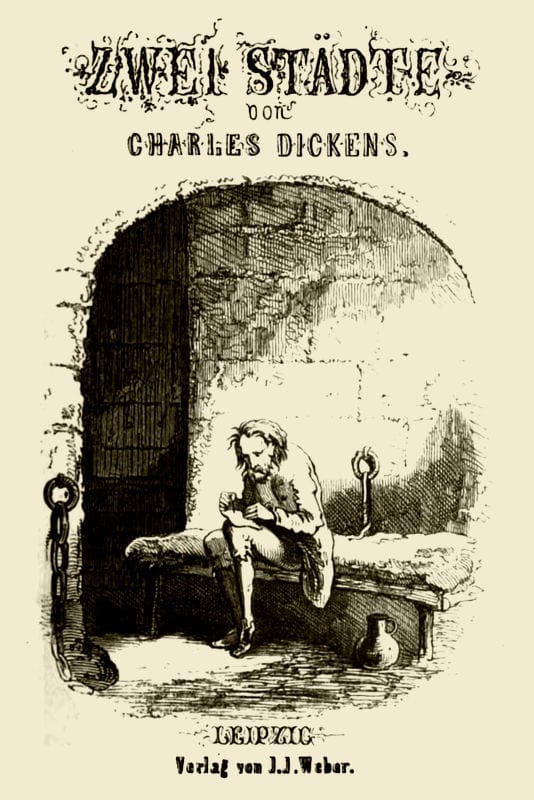
The most famous opening line in English literature announces a novel of impossible opposites: hope and despair, love and violence, resurrection and ruin. Set in London and Paris during the French Revolution, Dickens traces the fates of a cast of characters whose lives collide across the Channel. At its heart is Dr. Manette, a former political prisoner freed after eighteen years in the Bastille, and his daughter Lucie, whose gentle presence seems capable of redeeming everyone she meets. Against them stand the bloodthirsty Madame Defarge, knitting names into her register of the condemned, and the aristocratic Darnay family, whose cruelty will be answered by the guillotine. Yet the novel's true hero may be Sydney Carton, a dissipated London lawyer whose self-loathing conceals a capacity for sacrifice that borders on the saintly. Dickens transforms the vast machinery of revolution into an intimate story of love, betrayal, and the price of freedom. The result is a tale that refuses easy comfort, acknowledging that violence begets violence while still insisting that individual acts of devotion can matter. No novel captures the terror and beauty of revolutionary upheaval quite like this one.
Editions
X-Ray
“A wonderful fact to reflect upon, that every human creature is constituted to be that profound secret and mystery to every other.””
— Charles Dickens
“It is a far, far better thing that I do, than I have ever done; it is a far, far better rest that I go to than I have ever known.””
— Charles Dickens
“It was the best of times, it was the worst of times, it was the age of wisdom, it was the age of foolishness, it was the epoch of belief, it was the epoch of incredulity, it was the season of light, it was the season of darkness, it was the spring of hope, it was the winter of despair.””
— Charles Dickens
“You have been the last dream of my soul.””
— Charles Dickens
“It was the best of times, it was the worst of times.””
— Charles Dickens
“I wish you to know that you have been the last dream of my soul.””
— Charles Dickens
“And yet I have had the weakness, and have still the weakness, to wish you to know with what a sudden mastery you kindled me, heap of ashes that I am, into fire.””
— Charles Dickens
“I see a beautiful city and a brilliant people rising from this abyss. I see the lives for which I lay down my life, peaceful, useful, prosperous and happy. I see that I hold a sanctuary in their hearts, and in the hearts of their descendants, generations hence. It is a far, far better thing that I do, than I have ever done; it is a far, far better rest that I go to than I have ever known.””
— Charles Dickens
“A day wasted on others is not wasted on one's self.””
— Charles Dickens
Link to this book
Add a free, dofollow link to Lex on your blog, forum, syllabus, or reading list.

<a href="https://lex-books.com/book/zwei-st-dte-7fc71e3a-e5d3-47de-a99f-4373ec86d748"><img src="https://lex-books.com/badges/read-on-lex.svg" alt="Read Zwei Städte by Charles Dickens free on Lex" width="160" height="40"></a>[](https://lex-books.com/book/zwei-st-dte-7fc71e3a-e5d3-47de-a99f-4373ec86d748)[url=https://lex-books.com/book/zwei-st-dte-7fc71e3a-e5d3-47de-a99f-4373ec86d748][img]https://lex-books.com/badges/read-on-lex.svg[/img][/url]Read Zwei Städte by Charles Dickens free on Lex: https://lex-books.com/book/zwei-st-dte-7fc71e3a-e5d3-47de-a99f-4373ec86d748Cite this book
Reading this edition for a paper or guide? Copy a citation.
Dickens, Charles. Zwei Städte. Lex, lex-books.com/book/zwei-st-dte-7fc71e3a-e5d3-47de-a99f-4373ec86d748.Dickens, C. (1859). Zwei Städte. Lex. https://lex-books.com/book/zwei-st-dte-7fc71e3a-e5d3-47de-a99f-4373ec86d748Dickens, Charles. Zwei Städte. Lex. https://lex-books.com/book/zwei-st-dte-7fc71e3a-e5d3-47de-a99f-4373ec86d748.