A Christmas Carol in Prose; Being a Ghost Story of Christmas
1843
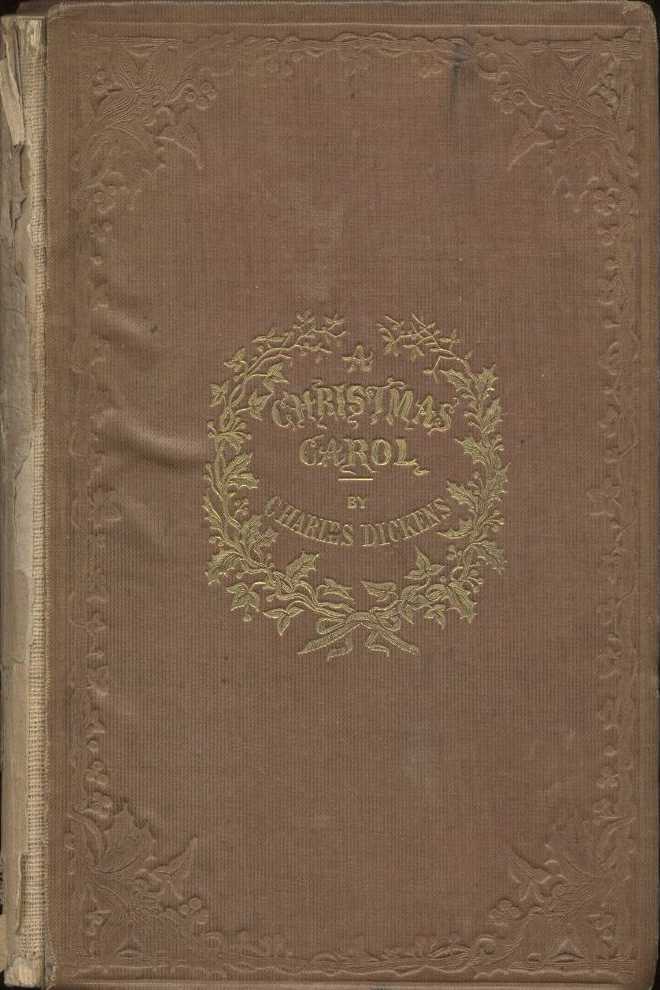
A Christmas Carol in Prose; Being a Ghost Story of Christmas
1843
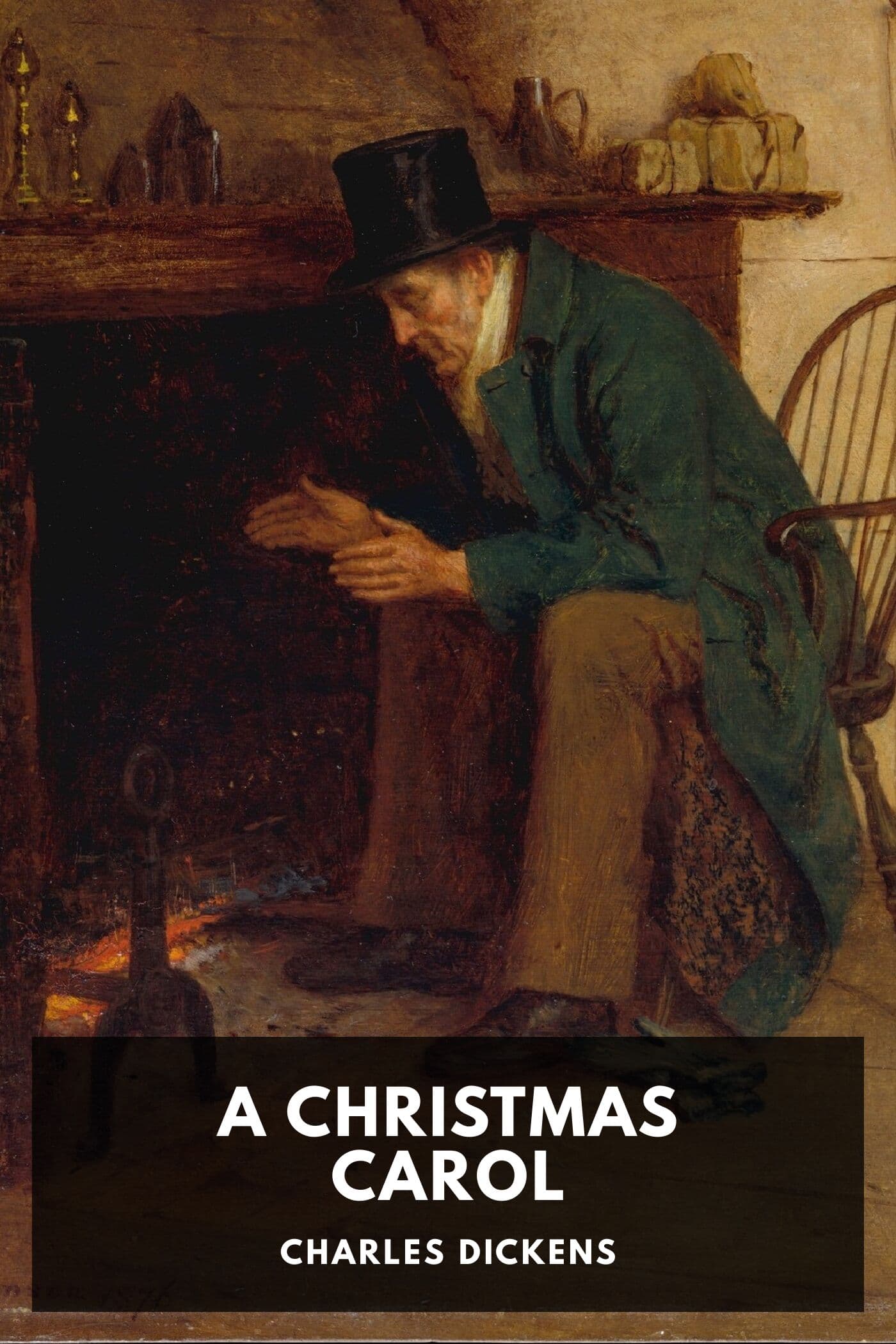
Dickens wrote this novella in six weeks and essentially invented the Christmas we think we know. The story opens on a London so cold the Thames freezes, where a miserable old man named Ebenezer Scrooge counts his money while the poor die in the streets. He hates Christmas, calls it humbug, and refuses his nephew's invitation to dinner. Then comes midnight, and the ghost of his dead business partner Jacob Marley drags chains forged from his own greed. Three spirits follow: the pale Child of Christmas Past, the roaring Giant of Christmas Present, and the silent, hooded figure who shows what comes next. What unfolds is a ghost story, yes, but also something more dangerous: a fable about whether a human being can change. Scrooge sees his abandoned sister, his cruel treatment of his clerk's son, the death of a woman he might have loved. He sees Tiny Tim dying. He sees his own unmarked grave. By morning, he is weeping, laughing, promising to honor Christmas in his heart all year round. The book sold out its first printing by Christmas Eve, 1843. It has never been out of print since. That is because it tells us what we need to believe: that no one is beyond redemption, that kindness is contagious, that the richest man in England can still learn to be human.
Editions
X-Ray
“There is nothing in the world so irresistibly contagious as laughter and good humor.””
— Charles Dickens
“It is a fair, even-handed, noble adjustment of things, that while there is infection in disease and sorrow, there is nothing in the world so irresistibly contagious as laughter and good humour.””
— Charles Dickens
“You are fettered," said Scrooge, trembling. "Tell me why?""I wear the chain I forged in life," replied the Ghost. "I made it link by link, and yard by yard; I girded it on of my own free will, and of my own free will I wore it.””
— Charles Dickens
“I will honour Christmas in my heart, and try to keep it all the year. I will live in the Past, the Present, and the Future. The Spirits of all Three shall strive within me. I will not shut out the lessons that they teach.””
— Charles Dickens
“No space of regret can make amends for one life's opportunity misused””
— Charles Dickens
“For it is good to be children sometimes, and never better than at Christmas, when its mighty Founder was a child Himself.””
— Charles Dickens
“You may be an undigested bit of beef, a blot of mustard, a crumb of cheese, a fragment of underdone potato. There's more of gravy than of grave about you, whatever you are!””
— Charles Dickens
“There are many things from which I might have derived good, by which I have not profited, I dare say,' returned the nephew. 'Christmas among the rest. But I am sure I have always thought of Christmas time, when it has come round”
— Charles Dickens
“But you were always a good man of business, Jacob,' faltered Scrooge, who now began to apply this to himself.Business!' cried the Ghost, wringing its hands again. "Mankind was my business; charity, mercy, forbearance, and benevolence, were, all, my business. The deals of my trade were but a drop of water in the comprehensive ocean of my business!””
— Charles Dickens
About A Christmas Carol in Prose; Being a Ghost Story of Christmas
Chapter Summaries
- 1
- Ebenezer Scrooge, a cold and miserly businessman, is visited by the ghost of his deceased partner, Jacob Marley. Marley, burdened by chains forged from his own greed, warns Scrooge that he will be visited by three spirits and must change his ways to avoid a similar fate.
- 2
- The Ghost of Christmas Past takes Scrooge on a journey through his youth, showing him his lonely childhood, his happy apprenticeship under Mr. Fezziwig, and the painful memory of his fiancée Belle leaving him due to his growing obsession with money.
- 3
- The Ghost of Christmas Present reveals to Scrooge the joyful Christmas celebrations of others, including the impoverished but loving Cratchit family and his nephew Fred's festive gathering. Scrooge is particularly moved by Tiny Tim's fragility and the Spirit's revelation of Ignorance and Want.
Key Themes
- Redemption and Transformation
- The core theme of the novella, focusing on Scrooge's journey from a bitter, isolated miser to a benevolent, joyful man. It illustrates that even the most hardened hearts can change, emphasizing the power of self-reflection and empathy.
- The Spirit of Christmas
- Dickens portrays Christmas not merely as a holiday, but as a time of generosity, goodwill, charity, and communal joy. The spirits teach Scrooge that true wealth lies in human connection and kindness, not in material possessions or isolation.
- Social Injustice and Poverty
- The book starkly highlights the plight of the poor in Victorian England through characters like the Cratchits and the allegorical figures of Ignorance and Want. It critiques societal indifference and calls for greater compassion and responsibility towards the less fortunate.
Characters
- Ebenezer Scrooge(protagonist)
- A miserly, cold-hearted old man who despises Christmas and humanity, but undergoes a profound transformation after supernatural visitations.
- Jacob Marley(supporting)
- Scrooge's deceased business partner, who appears as a ghost to warn Scrooge about the consequences of his greedy life.
- Bob Cratchit(supporting)
- Scrooge's kind, humble, and underpaid clerk, who embodies the struggles of the working poor and the spirit of Christmas.
- Tiny Tim(supporting)
- Bob Cratchit's sickly but optimistic young son, whose potential death serves as a powerful catalyst for Scrooge's transformation.
- Fred(supporting)
- Scrooge's cheerful and generous nephew, who consistently invites Scrooge to Christmas dinner despite his uncle's coldness.
- Ghost of Christmas Past(supporting)
- A childlike yet ancient spirit who shows Scrooge scenes from his own past, revealing the origins of his bitterness.
Link to this book
Add a free, dofollow link to Lex on your blog, forum, syllabus, or reading list.

<a href="https://lex-books.com/book/a-christmas-carol-in-prose-being-a-ghost-story-of-christmas-f214078e-308e-4681-b8a4-2b8bb51a0297"><img src="https://lex-books.com/badges/read-on-lex.svg" alt="Read A Christmas Carol in Prose; Being a Ghost Story of Christmas by Charles Dickens free on Lex" width="160" height="40"></a>[](https://lex-books.com/book/a-christmas-carol-in-prose-being-a-ghost-story-of-christmas-f214078e-308e-4681-b8a4-2b8bb51a0297)[url=https://lex-books.com/book/a-christmas-carol-in-prose-being-a-ghost-story-of-christmas-f214078e-308e-4681-b8a4-2b8bb51a0297][img]https://lex-books.com/badges/read-on-lex.svg[/img][/url]Read A Christmas Carol in Prose; Being a Ghost Story of Christmas by Charles Dickens free on Lex: https://lex-books.com/book/a-christmas-carol-in-prose-being-a-ghost-story-of-christmas-f214078e-308e-4681-b8a4-2b8bb51a0297Cite this book
Reading this edition for a paper or guide? Copy a citation.
Dickens, Charles. A Christmas Carol in Prose; Being a Ghost Story of Christmas. Lex, lex-books.com/book/a-christmas-carol-in-prose-being-a-ghost-story-of-christmas-f214078e-308e-4681-b8a4-2b8bb51a0297.Dickens, C. (1843). A Christmas Carol in Prose; Being a Ghost Story of Christmas. Lex. https://lex-books.com/book/a-christmas-carol-in-prose-being-a-ghost-story-of-christmas-f214078e-308e-4681-b8a4-2b8bb51a0297Dickens, Charles. A Christmas Carol in Prose; Being a Ghost Story of Christmas. Lex. https://lex-books.com/book/a-christmas-carol-in-prose-being-a-ghost-story-of-christmas-f214078e-308e-4681-b8a4-2b8bb51a0297.