Great Catherine (whom Glory Still Adores)
1913
George Bernard Shaw serves up a delicious collision between British propriety and Russian excess in this sparkling one-act. Captain Edstaston, an aggressively upright English officer, arrives at Catherine the Great's court with the self-important mission of securing a diplomatic audience. What he finds instead is a world where flirtation is governance, where every conversation drips with double entendre, and where his stiff-upper-lip sensibilities are systematically dismantled by the Empress herself and her cunning cohort of courtiers. Shaw takes aim at the absurdities of both English prudishness and Russian decadence, finding comedy in the gap between how people behave and how they imagine they appear. The play zips through misunderstandings, mocked-up dignitaries, and the relentless charm of Catherine, who treats Edstaston's dignity as a plaything. Written between Pygmalion and Arms and the Man, this is Shaw at his most gleefully satirical, using historical costume to poke fun at the pretensions of his own era while celebrating the unapologetic exercise of power and desire.
Editions
Link to this book
Add a free, dofollow link to Lex on your blog, forum, syllabus, or reading list.

<a href="https://lex-books.com/book/great-catherine-whom-glory-still-adores-4a75e6ac-a0d6-4daf-92fb-b81a867ac49c"><img src="https://lex-books.com/badges/read-on-lex.svg" alt="Read Great Catherine (whom Glory Still Adores) by Bernard Shaw free on Lex" width="160" height="40"></a>[](https://lex-books.com/book/great-catherine-whom-glory-still-adores-4a75e6ac-a0d6-4daf-92fb-b81a867ac49c)[url=https://lex-books.com/book/great-catherine-whom-glory-still-adores-4a75e6ac-a0d6-4daf-92fb-b81a867ac49c][img]https://lex-books.com/badges/read-on-lex.svg[/img][/url]Read Great Catherine (whom Glory Still Adores) by Bernard Shaw free on Lex: https://lex-books.com/book/great-catherine-whom-glory-still-adores-4a75e6ac-a0d6-4daf-92fb-b81a867ac49cCite this book
Reading this edition for a paper or guide? Copy a citation.
Shaw, Bernard. Great Catherine (whom Glory Still Adores). Lex, lex-books.com/book/great-catherine-whom-glory-still-adores-4a75e6ac-a0d6-4daf-92fb-b81a867ac49c.Shaw, B. (1913). Great Catherine (whom Glory Still Adores). Lex. https://lex-books.com/book/great-catherine-whom-glory-still-adores-4a75e6ac-a0d6-4daf-92fb-b81a867ac49cShaw, Bernard. Great Catherine (whom Glory Still Adores). Lex. https://lex-books.com/book/great-catherine-whom-glory-still-adores-4a75e6ac-a0d6-4daf-92fb-b81a867ac49c.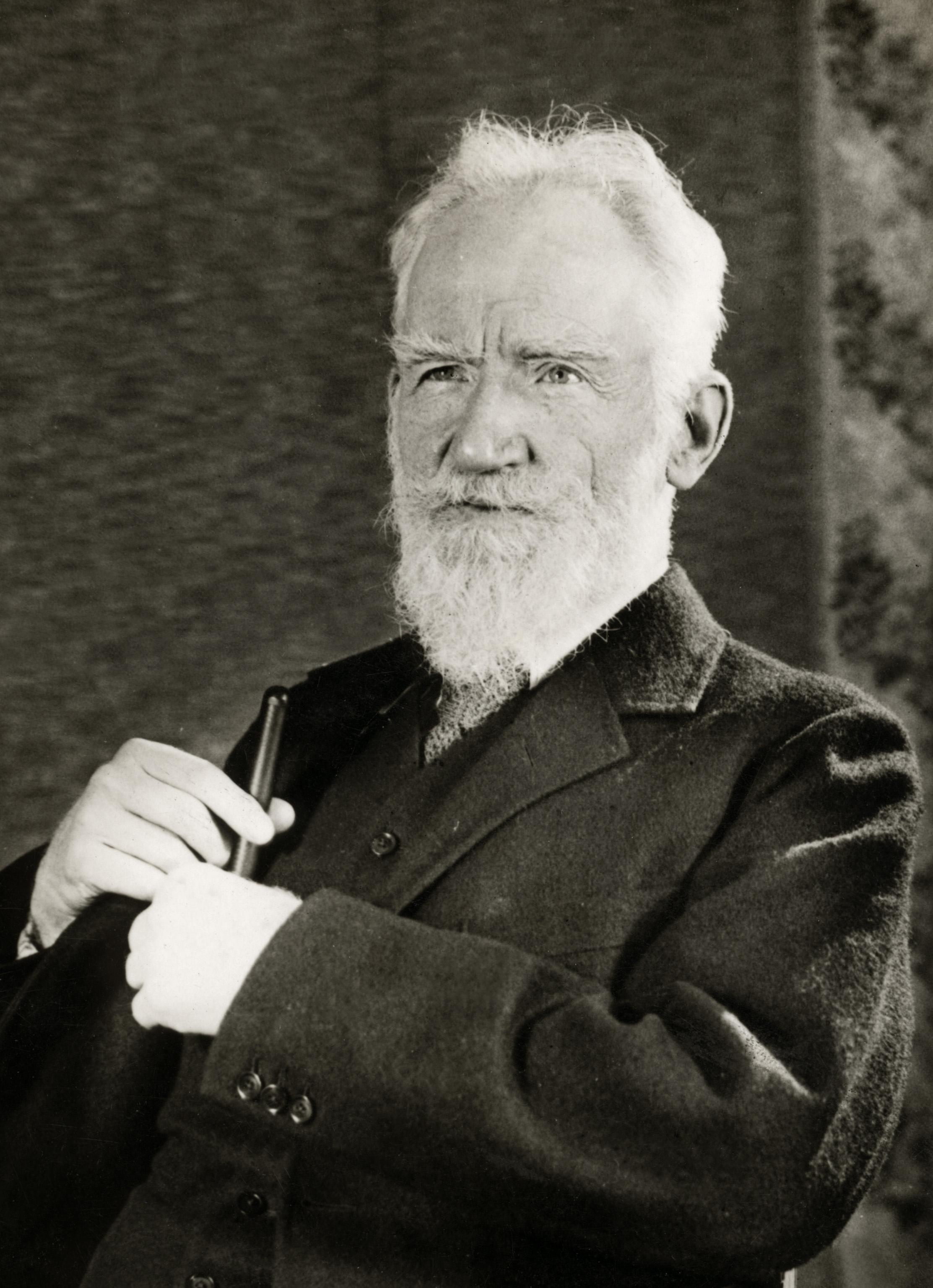


![Night Watches [complete]](/_next/image?url=https%3A%2F%2Fd3b2n8gj62qnwr.cloudfront.net%2FCOVERS%2Fgutenberg_covers75k%2Febook-12161.png&w=3840&q=75)