
Maiju Lassila
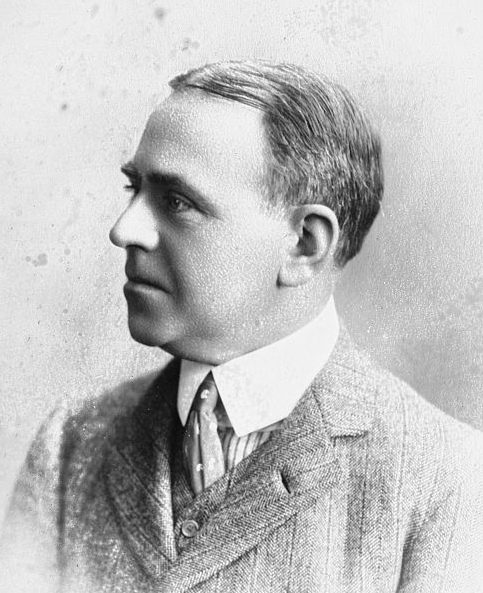
Maiju Lassila, born Algot Untola, was a Finnish writer and journalist whose literary contributions emerged during a time of significant social and political change in Finland. Born in Tohmajärvi in 1868, he pursued a career in teaching after graduating in 1891. Lassila adopted various pen names, with Maiju Lassila and Irmari Rantamala being the most prominent. His notable works include 'Harhama' (1909), a philosophical novel that challenged societal norms, and 'Tulitikkuja lainaamassa' (1910), a poignant exploration of human relationships and societal issues. Despite his literary success, he controversially declined the state literature prize awarded for these works, reflecting his complex relationship with the establishment. Lassila's political views evolved over time, initially aligning with the Finnish Party before shifting to the Social Democratic Party of Finland. His involvement in the Finnish Civil War on the side of the Reds marked a significant turn in his life. As an editor, he used his platform to advocate for his beliefs, which ultimately led to his arrest by White troops following the Battle of Helsinki. Tragically, he was executed in 1918, leaving behind a legacy as a writer who not only captured the spirit of his time but also engaged deeply with the pressing issues of his day, making him a significant figure in Finnish literature and history.
Books from the author


Link to this page
Add a free, dofollow link to Lex on your blog, forum, syllabus, or reading list.

<a href="https://lex-books.com/author/maiju-lassila"><img src="https://lex-books.com/badges/read-on-lex.svg" alt="Maiju Lassila on Lex" width="160" height="40"></a>[](https://lex-books.com/author/maiju-lassila)[url=https://lex-books.com/author/maiju-lassila][img]https://lex-books.com/badges/read-on-lex.svg[/img][/url]Maiju Lassila on Lex: https://lex-books.com/author/maiju-lassila