Thought-Forms
1901
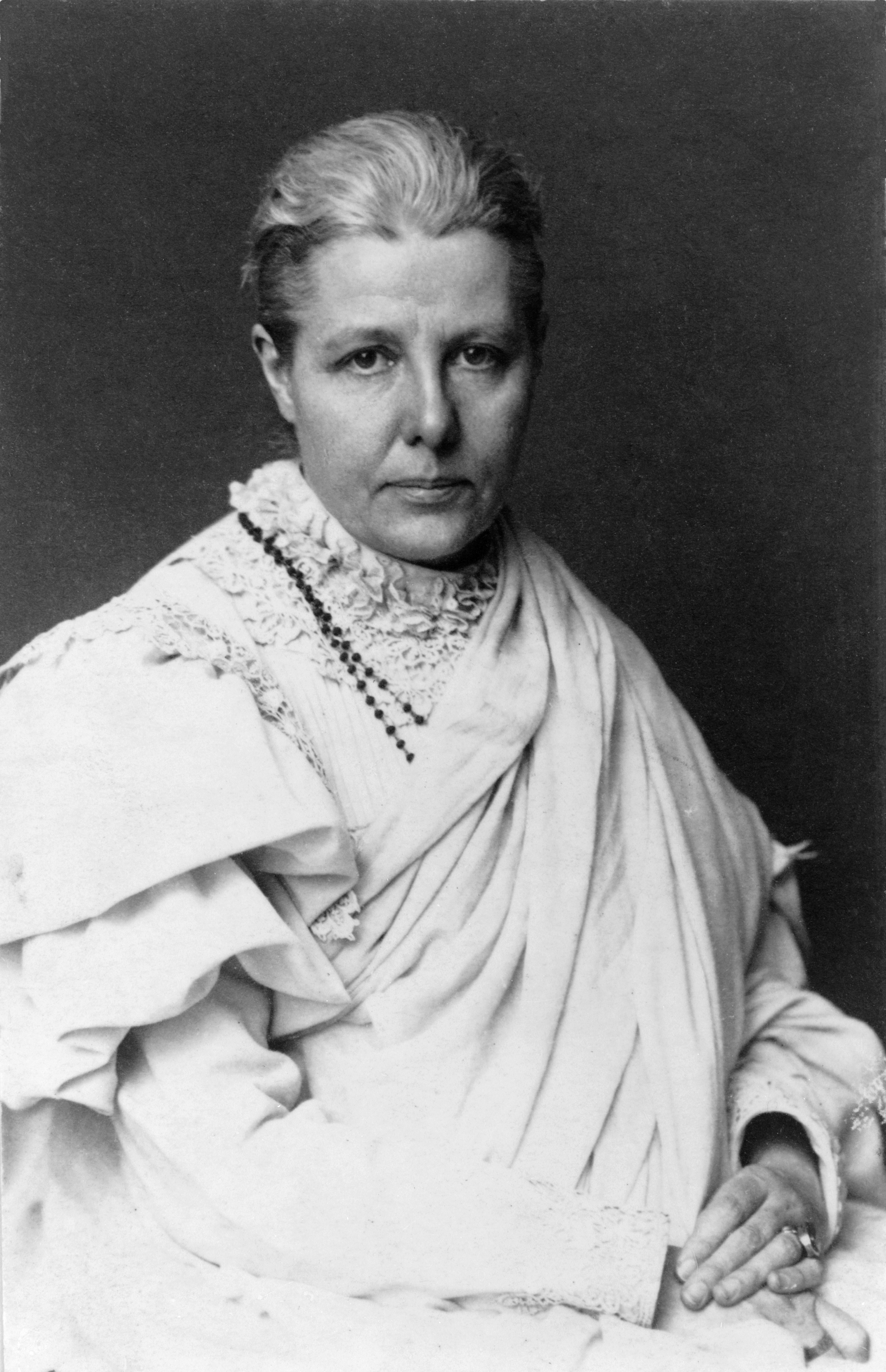
In 1901, two Theosophical Society luminaries made a startling claim: they could see thoughts. Not as abstract concepts, but as luminous forms floating in etheric space, colored by emotion, shaped by intention. Annie Besant and C.W. Leadbeater spent years documenting these invisible architectures, and this book is their strange, bold record. The premise feels like fever-dream science or Victorian hallucination, but the authors meant it with complete seriousness. They describe rage as a blazing red fire, devotion as a delicate rose-colored mist, hate as jagged red spikes reaching toward its target. Music, they claimed, created the most beautiful forms of all. Through elaborate descriptions and the book's famous illustrations, Besant and Leadbeater argued that thoughts are not fleeting but leave tangible imprints on the world around us. The book endures as a remarkable artifact from an era when spiritualism and hard science shared intellectual ground, when serious people debated whether your morning meditation left visible residue in the air. It's weird. It's utterly certain of itself. And it asks you to consider whether your thoughts are broadcasting into space right now.
Editions
X-Ray
Link to this book
Add a free, dofollow link to Lex on your blog, forum, syllabus, or reading list.

<a href="https://lex-books.com/book/thought-forms-7ccda3c6-8f89-4ba2-a458-87c8e9671217"><img src="https://lex-books.com/badges/read-on-lex.svg" alt="Read Thought-Forms by Annie Besant free on Lex" width="160" height="40"></a>[](https://lex-books.com/book/thought-forms-7ccda3c6-8f89-4ba2-a458-87c8e9671217)[url=https://lex-books.com/book/thought-forms-7ccda3c6-8f89-4ba2-a458-87c8e9671217][img]https://lex-books.com/badges/read-on-lex.svg[/img][/url]Read Thought-Forms by Annie Besant free on Lex: https://lex-books.com/book/thought-forms-7ccda3c6-8f89-4ba2-a458-87c8e9671217Cite this book
Reading this edition for a paper or guide? Copy a citation.
Besant, Annie. Thought-Forms. Lex, lex-books.com/book/thought-forms-7ccda3c6-8f89-4ba2-a458-87c8e9671217.Besant, A. (1901). Thought-Forms. Lex. https://lex-books.com/book/thought-forms-7ccda3c6-8f89-4ba2-a458-87c8e9671217Besant, Annie. Thought-Forms. Lex. https://lex-books.com/book/thought-forms-7ccda3c6-8f89-4ba2-a458-87c8e9671217.