An Introduction to Yoga
1907
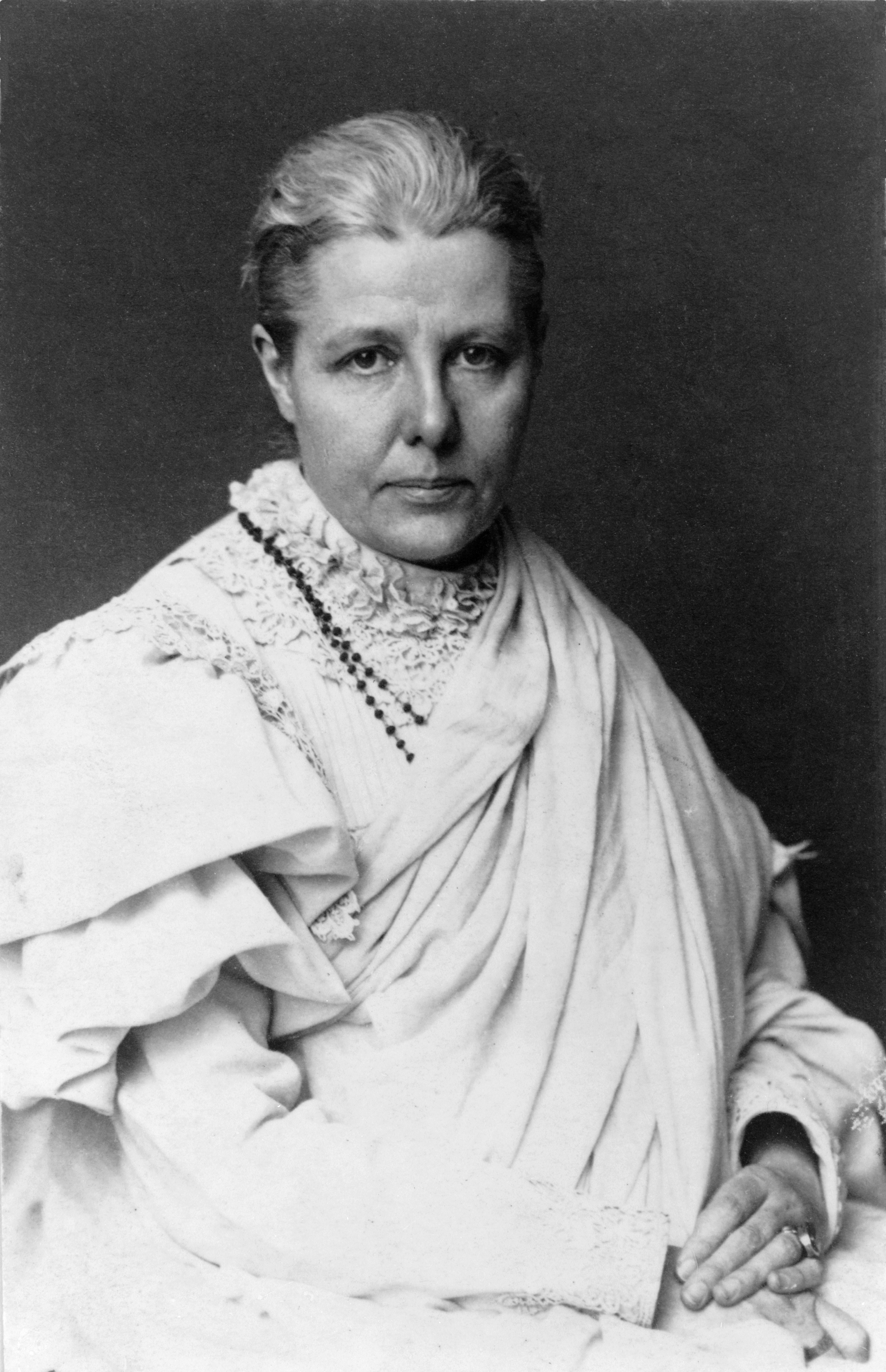
In 1907, when most Westerners knew nothing of Yoga beyond physical postures, Annie Besant offered something radical: a serious philosophical introduction to the discipline that would become a global phenomenon. Based on four lectures, this book served as a bridge between Eastern spiritual wisdom and Western intellectual curiosity, written by a woman who had already shaken up British society as a socialist, feminist, and eventual Theosophist. Besant approaches Yoga not as mysticism but as science, the systematic study of consciousness and its evolution. She traces the relationship between the Self and the universe, arguing that the world exists to serve the soul's unfolding. The text prepares readers for Patanjali's Yoga Sutras while weaving in Theosophical ideas about consciousness and enlightenment. This is Yoga as a practical discipline for accelerating spiritual evolution, not abstract philosophy. For modern readers, the book functions as a historical document, a window into how Yoga first entered Western intellectual life, while still offering substantive material for the reader willing to meet it on its own terms.
Editions
X-Ray
“This world is full of forms that are illusory, and the values are all wrong, the proportions are out of focus. The things which a man of the world thinks valuable, a spiritual man must cast aside as worthless.””
— Annie Besant
“They who cannot face the world have not the strength to face the difficulties of Yoga practice. If the outer world out-wearies your powers, how do you expect to conquer the difficulties of the inner life? If you cannot climb over the little troubles of the world, how can you hope to climb over the difficulties that a yogi has to scale? Those men blunder, who think that running away from the world is the road to victory, and that peace can be found only in certain localities.””
— Annie Besant
Link to this book
Add a free, dofollow link to Lex on your blog, forum, syllabus, or reading list.

<a href="https://lex-books.com/book/an-introduction-to-yoga-069bd3bf-166d-4d05-ad7d-2fd571ba3874"><img src="https://lex-books.com/badges/read-on-lex.svg" alt="Read An Introduction to Yoga by Annie Besant free on Lex" width="160" height="40"></a>[](https://lex-books.com/book/an-introduction-to-yoga-069bd3bf-166d-4d05-ad7d-2fd571ba3874)[url=https://lex-books.com/book/an-introduction-to-yoga-069bd3bf-166d-4d05-ad7d-2fd571ba3874][img]https://lex-books.com/badges/read-on-lex.svg[/img][/url]Read An Introduction to Yoga by Annie Besant free on Lex: https://lex-books.com/book/an-introduction-to-yoga-069bd3bf-166d-4d05-ad7d-2fd571ba3874Cite this book
Reading this edition for a paper or guide? Copy a citation.
Besant, Annie. An Introduction to Yoga. Lex, lex-books.com/book/an-introduction-to-yoga-069bd3bf-166d-4d05-ad7d-2fd571ba3874.Besant, A. (1907). An Introduction to Yoga. Lex. https://lex-books.com/book/an-introduction-to-yoga-069bd3bf-166d-4d05-ad7d-2fd571ba3874Besant, Annie. An Introduction to Yoga. Lex. https://lex-books.com/book/an-introduction-to-yoga-069bd3bf-166d-4d05-ad7d-2fd571ba3874.