Andreas Kalvos
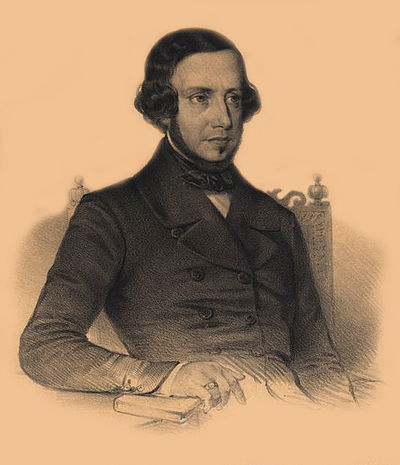
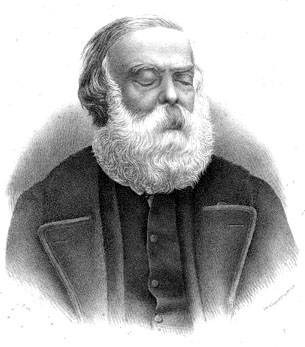
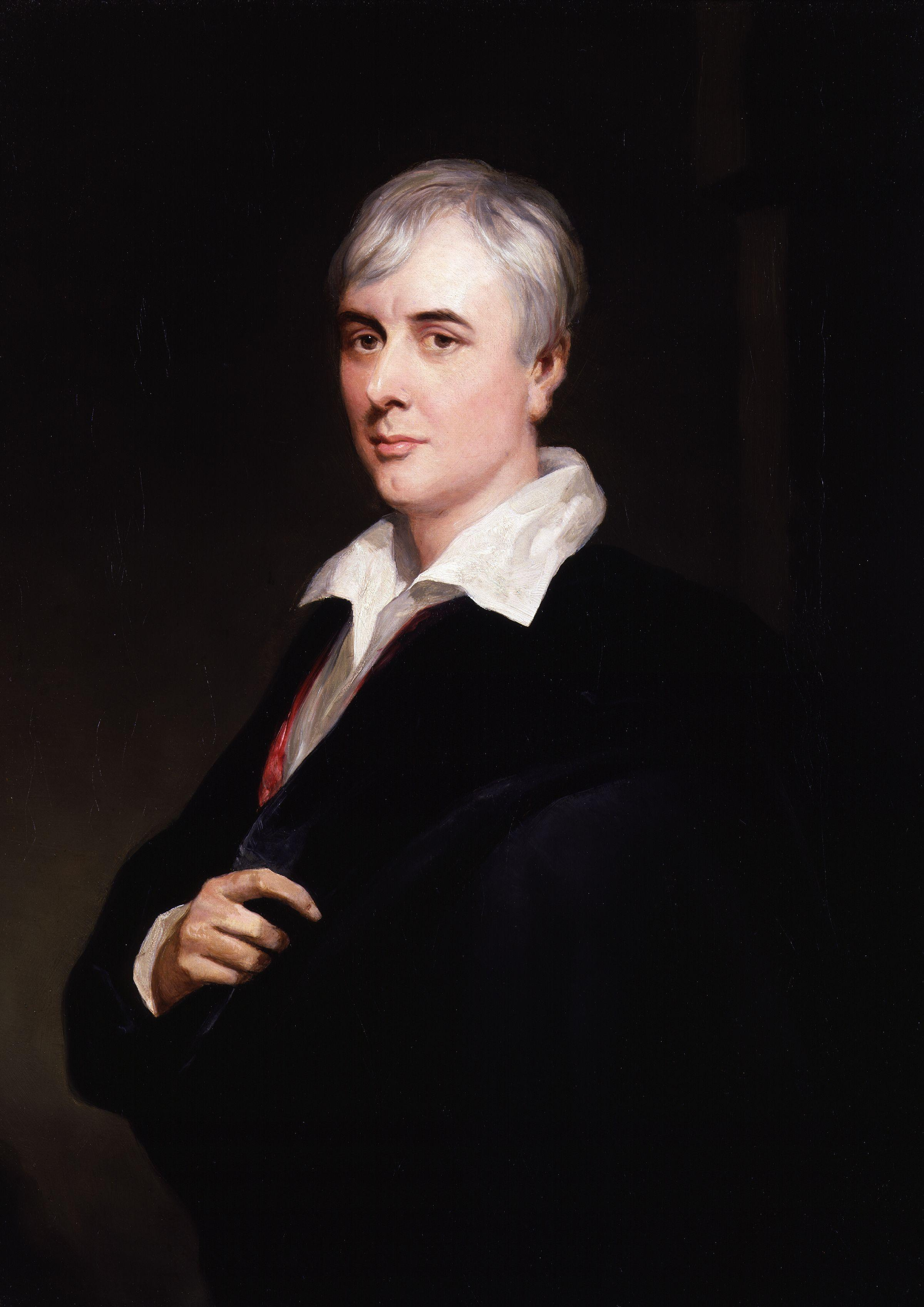
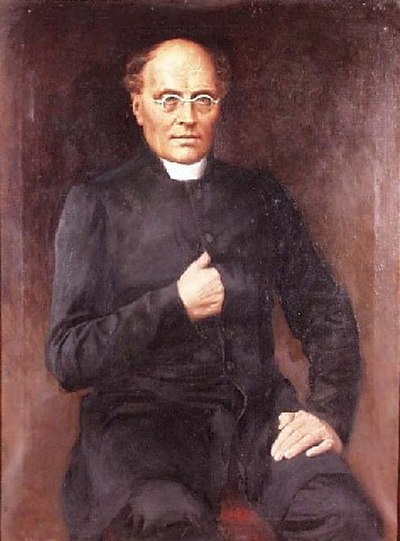
Andreas Kalvos was a prominent Greek poet of the Romantic era, known for his contributions to the Heptanese School of literature. Born in 1792, he published five significant volumes of poetry and drama, including 'Canzone...' (1811), 'Le Danaidi' (1818), 'Elpis patridos' (1818), 'Lyra' (1824), and 'New odes' (1826). His work often reflected the themes of national identity and the struggles of the Greek people, aligning with the broader Romantic movement that emphasized emotion and individualism. Kalvos was a contemporary of notable poets such as Ugo Foscolo and Dionysios Solomos, and his writings played a crucial role in the cultural revival of Greece during the 19th century. His poetry is characterized by its lyrical beauty and deep emotional resonance, making him a key figure in the development of modern Greek literature. Kalvos's legacy endures, as he is celebrated for his innovative use of language and his ability to capture the spirit of his time, leaving an indelible mark on the literary landscape of Greece.
Famous Quotes
View all 2 quotes“Let those who feel the heavy brazen hand of fear bear slavery: freedom needs virtue, needs daring. She (for myth may veil the spirit of truth) lent wings to Icarus – and though he fell, and his wings drowned beneath the waves, he fell from great heights and still died free. Should you die like a sheep, dishonored, at the hands of a tyrant, your grave will be an abomination.”
“Θέλει αρετήν και τόλμην η ελευθερία”
Books from the author



Link to this page
Add a free, dofollow link to Lex on your blog, forum, syllabus, or reading list.

<a href="https://lex-books.com/author/andreas-kalvos"><img src="https://lex-books.com/badges/read-on-lex.svg" alt="Andreas Kalvos on Lex" width="160" height="40"></a>[](https://lex-books.com/author/andreas-kalvos)[url=https://lex-books.com/author/andreas-kalvos][img]https://lex-books.com/badges/read-on-lex.svg[/img][/url]Andreas Kalvos on Lex: https://lex-books.com/author/andreas-kalvos