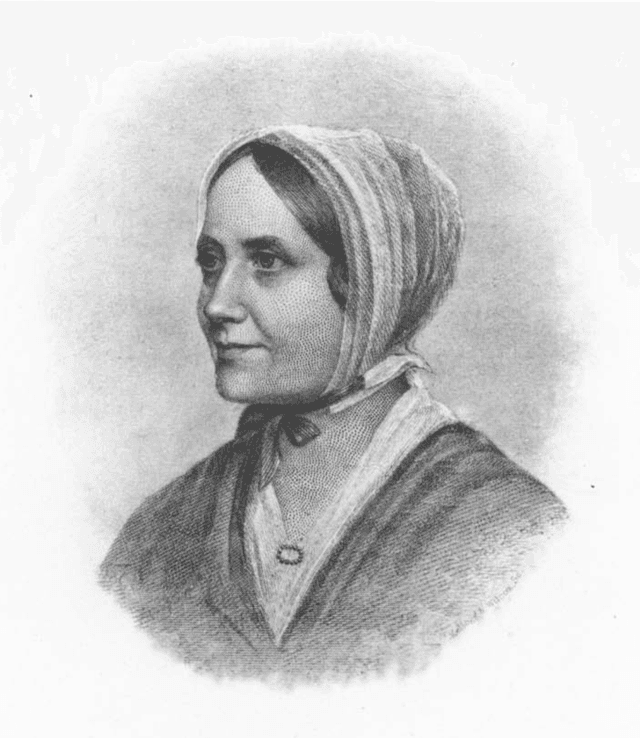
Eliza Lee Cabot Follen
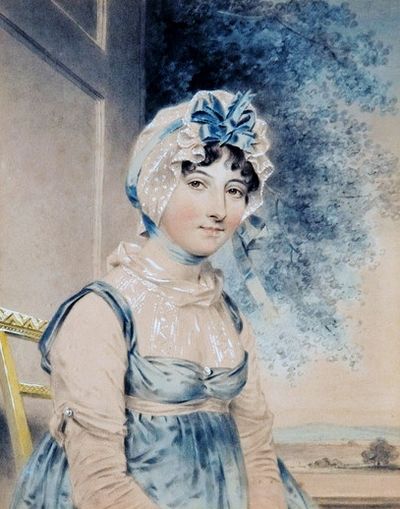
Eliza Lee Cabot Follen was an influential American writer, editor, and abolitionist known for her diverse contributions to literature and education. Born in 1787, she began her literary career by publishing prose and poetry in various magazines and newspapers. In 1828, she married Charles Follen, a prominent professor and fellow abolitionist, and her literary output flourished during their marriage. Follen's works often reflected her Christian values and her commitment to moral instruction, with notable titles including 'Selections from Fénelon,' 'The Well-spent Hour,' and 'Life of Charles Follen.' She also compiled 'Home Dramas' and 'German Fairy Tales,' showcasing her interest in children's literature and storytelling. Follen's editorial work was significant in shaping religious education for youth. She edited 'The Christian Teacher's Manual' in 1829 and later 'The Child's Friend' from 1843 to 1850, both of which aimed to provide moral guidance and spiritual instruction. Her writings not only contributed to the literary landscape of her time but also reflected the social issues of her era, particularly her advocacy for abolition. Follen's legacy endures through her commitment to education and her role in the early American literary scene, marking her as a notable figure in the intersection of literature and social reform.
Famous Quotes
View all 1 quotes“Stop, stop pretty water!" Said Mary one day To a frolicsome brook That was running away. "You run on so fast! I wish you would stay; My boat and my flowers You will carry away. But I will run after: Mother says that I may; For I would know where You are running way." So Mary ran on; But I have heard say, That she never could find Where the brook ran away.”
Books from the author


Link to this page
Add a free, dofollow link to Lex on your blog, forum, syllabus, or reading list.

<a href="https://lex-books.com/author/eliza-lee-cabot-follen"><img src="https://lex-books.com/badges/read-on-lex.svg" alt="Eliza Lee Cabot Follen on Lex" width="160" height="40"></a>[](https://lex-books.com/author/eliza-lee-cabot-follen)[url=https://lex-books.com/author/eliza-lee-cabot-follen][img]https://lex-books.com/badges/read-on-lex.svg[/img][/url]Eliza Lee Cabot Follen on Lex: https://lex-books.com/author/eliza-lee-cabot-follen