
Silvio Pellico
Silvio Pellico was an influential Italian writer, poet, and dramatist, whose works reflected his deep commitment to the ideals of Italian unification. Born in 1789 in Saluzzo, Pellico's early life was marked by a passion for literature and a fervent nationalist spirit. His most notable work, 'Le mie prigioni' (My Prisons), published in 1832, is a poignant account of his imprisonment for political reasons, detailing the harsh realities of life in prison and his reflections on freedom and justice. This autobiographical narrative not only garnered significant attention but also became a symbol of the struggle for Italian independence, resonating with many who sought national unity and liberation from foreign rule. Pellico's literary contributions extended beyond his prison memoirs; he was also known for his plays, such as 'Francesca da Rimini,' which showcased his talent for dramatic storytelling and his ability to weave themes of love, betrayal, and tragedy. His works often emphasized the moral and ethical dilemmas faced by individuals in turbulent times, reflecting the broader societal issues of his era. Pellico's legacy endures as a key figure in the Italian literary canon, inspiring future generations of writers and activists committed to the cause of freedom and national identity.
Famous Quotes
View all 1 quotes“Bella è sempre la pietà verso gl'infelici; sino verso i rei. La legge può aver diritto di condannarli; l'uomo non ha mai diritto d'esultare del lor dolore, né di dipingerli con colori più neri del vero.”
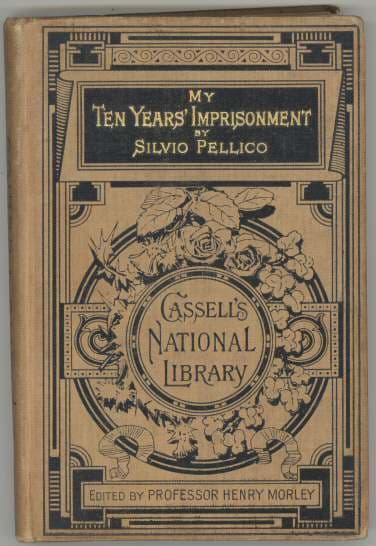
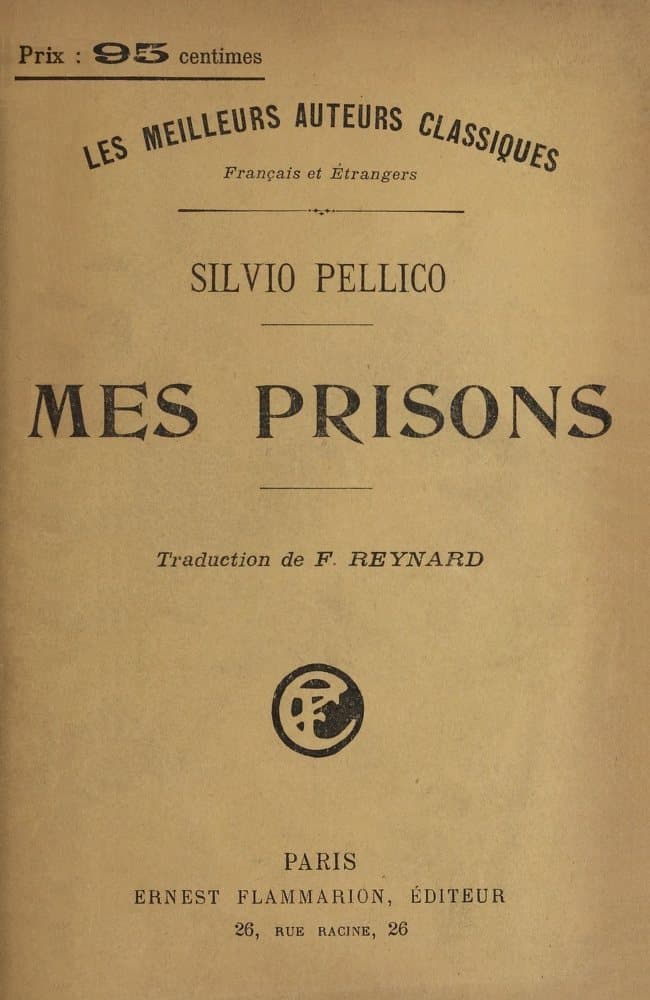
Books from the author
















Link to this page
Add a free, dofollow link to Lex on your blog, forum, syllabus, or reading list.

<a href="https://lex-books.com/author/silvio-pellico"><img src="https://lex-books.com/badges/read-on-lex.svg" alt="Silvio Pellico on Lex" width="160" height="40"></a>[](https://lex-books.com/author/silvio-pellico)[url=https://lex-books.com/author/silvio-pellico][img]https://lex-books.com/badges/read-on-lex.svg[/img][/url]Silvio Pellico on Lex: https://lex-books.com/author/silvio-pellico