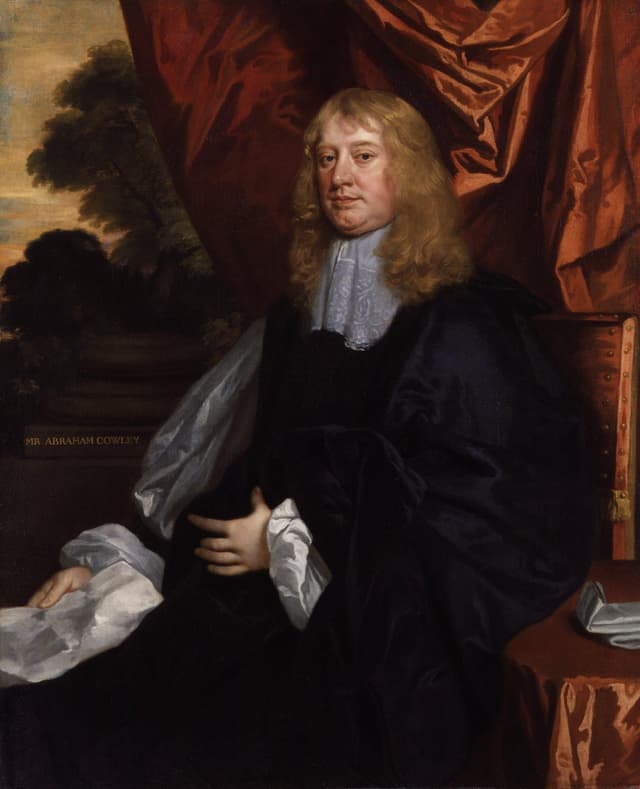
Abraham Cowley
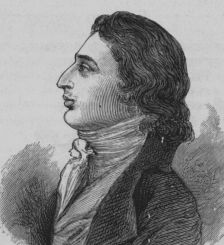
Abraham Cowley was an influential English poet and essayist, recognized as one of the foremost literary figures of the 17th century. Born in London, he displayed remarkable literary talent from an early age, publishing his first poems while still a teenager. Cowley's work is notable for its innovative use of metaphysical themes and forms, which would later influence a generation of poets. His major works include 'The Mistress,' a collection of love poems, and 'The Plant,' an allegorical poem that reflects his philosophical musings on nature and existence. Cowley's poetry often explored themes of love, loss, and the human condition, showcasing his ability to blend personal emotion with broader existential questions. Cowley's significance in English literature extends beyond his own writings; he played a crucial role in the development of the metaphysical style, paving the way for later poets such as John Milton and Andrew Marvell. His essays, particularly 'Of Poetry' and 'Of the Government of the Soul,' further established him as a thinker of his time, engaging with contemporary philosophical debates. Despite facing challenges during the English Civil War and the subsequent political upheaval, Cowley's literary contributions remained influential, with his works seeing numerous printings well into the 18th century. His legacy endures as a testament to the richness of 17th-century English poetry and thought.
Famous Quotes
View all 3 quotes“A mighty pain to love it is, And 't is a pain that pain to miss; But of all pains, the greatest pain It is to love, but love in vain.”
“May I a small house and large garden have; And a few friends, And many books, both true.”
“Hope is the most hopeless thing of all.”
Books from the author

Link to this page
Add a free, dofollow link to Lex on your blog, forum, syllabus, or reading list.

<a href="https://lex-books.com/author/abraham-cowley"><img src="https://lex-books.com/badges/read-on-lex.svg" alt="Abraham Cowley on Lex" width="160" height="40"></a>[](https://lex-books.com/author/abraham-cowley)[url=https://lex-books.com/author/abraham-cowley][img]https://lex-books.com/badges/read-on-lex.svg[/img][/url]Abraham Cowley on Lex: https://lex-books.com/author/abraham-cowley