The Lily of the Valley
1835
Felix de Vandenesse grew up in a house of coldness and cruelty, starved of love, his heart tenderized by neglect into something both desperate and dangerous. When he encounters Madame de Mortsauf, a married woman trapped in a joyless life among the Touraine vineyards, he finds the object of his devotion: pure, unattainable, a lily growing in a valley he cannot reach. What follows is one of literature's most devastating portraits of romantic obsession, as Felix pours his entire being into a love that social custom and her own principles render impossible. Balzac strips bare the anatomy of first love not as sweetness but as a kind of illness, one that leaves permanent scarring. The novel pulses with the fever of longing, the anguish of the idealist who cannot accept the imperfect world. Madame de Mortsauf herself becomes a tragic figure of quiet devastation, caught between her growing feelings and the dictates of her station. This is Balzac at his most intimate, his most psychologically precise: a study of how we love destructively, how we build idols from real women, and how the wounds of childhood echo into every adult heart.
Editions

X-Ray
“... o ilk günden beri güneş daha az sıcak, daha az aydınlık, gece daha karanlık oldu; hareket hızını yitirdi, düşüncelere bir ağırlık geldi. Bazı insanları toprağa gömeriz, ama öyle insanlar vardır ki onların kefenleri yüreğimiz olmuştur, anıları her gün kalbimizin çarpışıyla beraberdir, soluk alır gibi onları düşünürüz, aşka özgü bir ruh titreşiminin tatlı yasasıyla varlığımıza sinmişlerdir. Bir ruh var ruhumda. Ben bir iyilik mi ettim, güzel bir söz mü söyledim, içimde bulunan o ruh hareket ediyor, konuşuyor; havaya yayılan güzel kokunun bir zambaktan gelişi gibi.””
— Honoré de Balzac
“Karşılık görmemiş duygular bazı ruhlarda kin haline gelir, bende ise öyle olmadı; yoğunlaştı bu duygular içimde, bir yer etti kendine, sonra da oradan hayatıma fışkırdı.””
— Honoré de Balzac
“Instead of inspiring the gallant attentions which other women seek, she made men dream,””
— Honoré de Balzac
“She was, as you know already without as yet knowing anything, the Lily of this valley, where she grew for heaven, filling it with the fragrance of her virtues.””
— Honoré de Balzac
“Croyez-le, le véritable amour est éternel, infini, toujours semblable à lui-même ; il est égal et pur, sans démonstrations violentes ; il se voit en cheveux blancs, toujours jeune de cœur.”“True love is eternal, infinite, and always like itself. It is equal and pure, without violent demonstrations: it is seen with white hairs and is always young in the heart."(Always from Kindle Alexander)””
— Honoré de Balzac
“Düşüncelerimi kendi üzerime çevirerek düşündüm: Kendisinin de özgür kalmasını dileyecek kadar sevmiyordu beni. Sevgi suç işlemekten kaçınırsa sınırı var gibi görünür bize; oysa sevgi sonsuz olmalıdır. Kalbim korkunç burkuldu. "Sevmiyor beni!" diye düşündüm.””
— Honoré de Balzac
“- Zor geçen günler vardır, dedim.-Ruhumu okudunuz, dedi. Peki ama, nasıl?- O kadar çok bakımlardan birbirimize benziyoruz ki! diye karşılık verdim. Acı çekmek için de, zevk duymak için de imtiyazlı yaratılmış yaratıklardan- sayısı pek az olan o yaratıklardan- değil miyiz ikimiz de? Bu gibilerin duyarlıkları hep birden titreşir, içten içe derin yankılar doğurur, sinir düzenleri her şeyin olması gereken ilkesiyle uyum halindedir. Onları her şeyin uyumsuz olduğu bir ortama getirin koyun, korkunç acı çekerler. Bunun gibi, kendilerine uygun gelen düşüncelerle, duygularla ya da kimselerle karşılaşınca da sevinçleri coşkunluk derecesine varır...””
— Honoré de Balzac
“Başkalarının mutluluğu, artık mutlu olamayacakların sevinci olur.””
— Honoré de Balzac
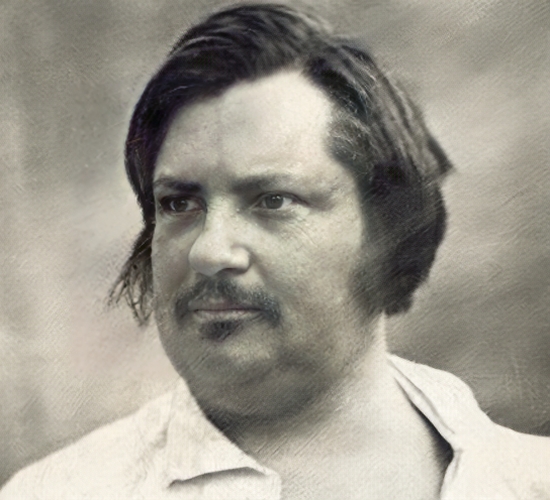
“became Secretary to the King's Council, at which time he changed his name to Balzac and added the particle de, both of which denoted nobility. Bernard-François's marriage to Balzac's mother, Anne Laure Sallambier, was a union made for purposes of convenience, rather than love. Although there was a thirty-two year age difference between the two, Balzac's mother came from a wealthy family of drapemakers and thus held great appeal. Her substantial dowry was another factor that distanced her husband from his impoverished childhood. Honoré de Balzac – named after Saint Honoré of Amiens – was the second Balzac child, although his older brother died as an infant. Balzac's parents would go on to have three more children: two girls, Laure and Laurence (born 1800 and 1802), followed by Henry-François (born 1807). Immediately following his birth, Balzac was placed””
— Honoré de Balzac
Link to this book
Add a free, dofollow link to Lex on your blog, forum, syllabus, or reading list.

<a href="https://lex-books.com/book/the-lily-of-the-valley-65a8910d-0b13-477b-a5ba-00c165a387b5"><img src="https://lex-books.com/badges/read-on-lex.svg" alt="Read The Lily of the Valley by Honoré de Balzac free on Lex" width="160" height="40"></a>[](https://lex-books.com/book/the-lily-of-the-valley-65a8910d-0b13-477b-a5ba-00c165a387b5)[url=https://lex-books.com/book/the-lily-of-the-valley-65a8910d-0b13-477b-a5ba-00c165a387b5][img]https://lex-books.com/badges/read-on-lex.svg[/img][/url]Read The Lily of the Valley by Honoré de Balzac free on Lex: https://lex-books.com/book/the-lily-of-the-valley-65a8910d-0b13-477b-a5ba-00c165a387b5Cite this book
Reading this edition for a paper or guide? Copy a citation.
Balzac, Honoré de. The Lily of the Valley. Lex, lex-books.com/book/the-lily-of-the-valley-65a8910d-0b13-477b-a5ba-00c165a387b5.Balzac, H. D. (1835). The Lily of the Valley. Lex. https://lex-books.com/book/the-lily-of-the-valley-65a8910d-0b13-477b-a5ba-00c165a387b5Balzac, Honoré de. The Lily of the Valley. Lex. https://lex-books.com/book/the-lily-of-the-valley-65a8910d-0b13-477b-a5ba-00c165a387b5.