The Atheist's Mass
1836
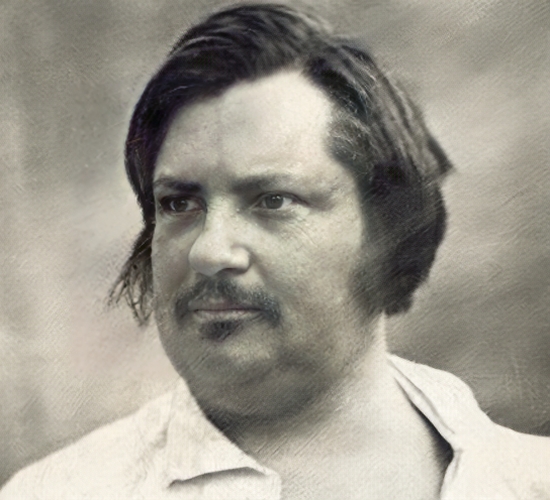
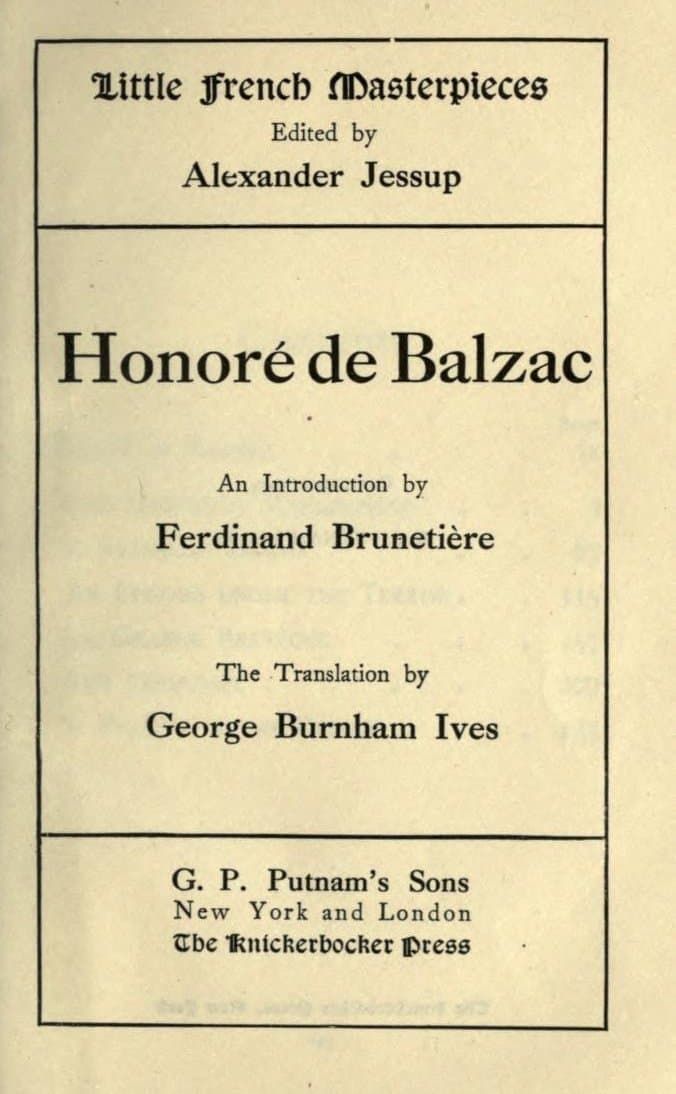
A famous atheist surgeon is spotted kneeling in church, and his colleagues are baffled. This is the riddle at the heart of Balzac's slender masterpiece: why would a man who denies God's existence fund masses for the soul of a dead water carrier? The answer lies in Desplein's poverty-stricken youth, when a humble journeyman named Bourgeat shared his bread and shelter with the starving medical student. Decades later, Desplein has become the most renowned surgeon in Paris, but he has not forgotten the debt. The masses are his way of honoring a man who believed in nothing except the dignity of helping a stranger. Balzac weaves a tender, contradictory portrait of a man whose actions contradict his intellect, whose heart outpaces his philosophy. The Atheist's Mass is a story about what we owe those who shape us, and whether ritual can exist without belief. It endures because it asks whether love might be its own kind of faith.
Editions
X-Ray
“So, my dear fellow, if I don't believe in God, I believe still less in man.””
— Honoré de Balzac
“In Paris, when certain people see you ready to set your foot in the stirrup, some pull your coat-tails, others loosen the buckle of the strap that you may fall and crack your skull; one wrenches off your horse's shoes, another steals your whip, and the least treacherous of them all is the man whom you see coming to fire his pistol at you point blank.””
— Honoré de Balzac
“Poverty has in its favour an exquisite sleep filled with beautiful dreams.””
— Honoré de Balzac
“He became...the ideal of that virtue which delights in its own work...doing everything with simplicity and dignity, for he seemed to realize that his objective added nobility to everything he did.””
— Honoré de Balzac
“This poor young man had felt there the gnawing of that burning poverty which is a sort of crucible from which great talents are to emerge as pure and incorruptible as diamonds, which may be subjected to any shock without being crushed. In the fierce fire of their unbridled passions they acquire the most impeccable honesty, and get into the habit of fighting the battles which await genius with the constant work by which they coerce their cheated appetites.””
— Honoré de Balzac
“میتوانست رنجی را در وجود دسپلن ببیند که ناشی از انتظار بارقه احساسات در قلبی است که گرچه بر اثر سختی ها آبدیده گشته اما از فولاد ساخته نشده است.””
— Honoré de Balzac
“همه این کارها را با سادگی و در عین حفظ وقارش انجام میداد.تو گویی انجام هر کاری، عملی به غایت شرافتمندانه است.( عشای ربانی ملحدان نشر پارسه ص 41)””
— Honoré de Balzac
“خدایا اگر قلمروی بعد از مرگ وجود دارد، قلمرویی برای انسان های درستکار، بورژای نیکوکار را هم فراموش نکن و اگر چیزی او را رنج میدهد، رانجش را بر من نازل کن.باشد که .او زودتر وارد همان جایی شود که بهشت می خوانندش"دعای یک آتئیست برای دوست و حامی مسیحی خود"(عشای ربانی ملحدان نشر پارسه ص 45)””
— Honoré de Balzac
Link to this book
Add a free, dofollow link to Lex on your blog, forum, syllabus, or reading list.

<a href="https://lex-books.com/book/the-atheist-s-mass-6d1aa8d7-58be-4a9a-8932-79e773d92447"><img src="https://lex-books.com/badges/read-on-lex.svg" alt="Read The Atheist's Mass by Honoré de Balzac free on Lex" width="160" height="40"></a>[](https://lex-books.com/book/the-atheist-s-mass-6d1aa8d7-58be-4a9a-8932-79e773d92447)[url=https://lex-books.com/book/the-atheist-s-mass-6d1aa8d7-58be-4a9a-8932-79e773d92447][img]https://lex-books.com/badges/read-on-lex.svg[/img][/url]Read The Atheist's Mass by Honoré de Balzac free on Lex: https://lex-books.com/book/the-atheist-s-mass-6d1aa8d7-58be-4a9a-8932-79e773d92447Cite this book
Reading this edition for a paper or guide? Copy a citation.
Balzac, Honoré de. The Atheist's Mass. Lex, lex-books.com/book/the-atheist-s-mass-6d1aa8d7-58be-4a9a-8932-79e773d92447.Balzac, H. D. (1836). The Atheist's Mass. Lex. https://lex-books.com/book/the-atheist-s-mass-6d1aa8d7-58be-4a9a-8932-79e773d92447Balzac, Honoré de. The Atheist's Mass. Lex. https://lex-books.com/book/the-atheist-s-mass-6d1aa8d7-58be-4a9a-8932-79e773d92447.