Letters to an Unknown
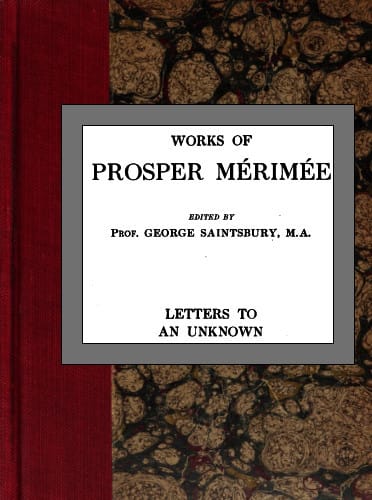
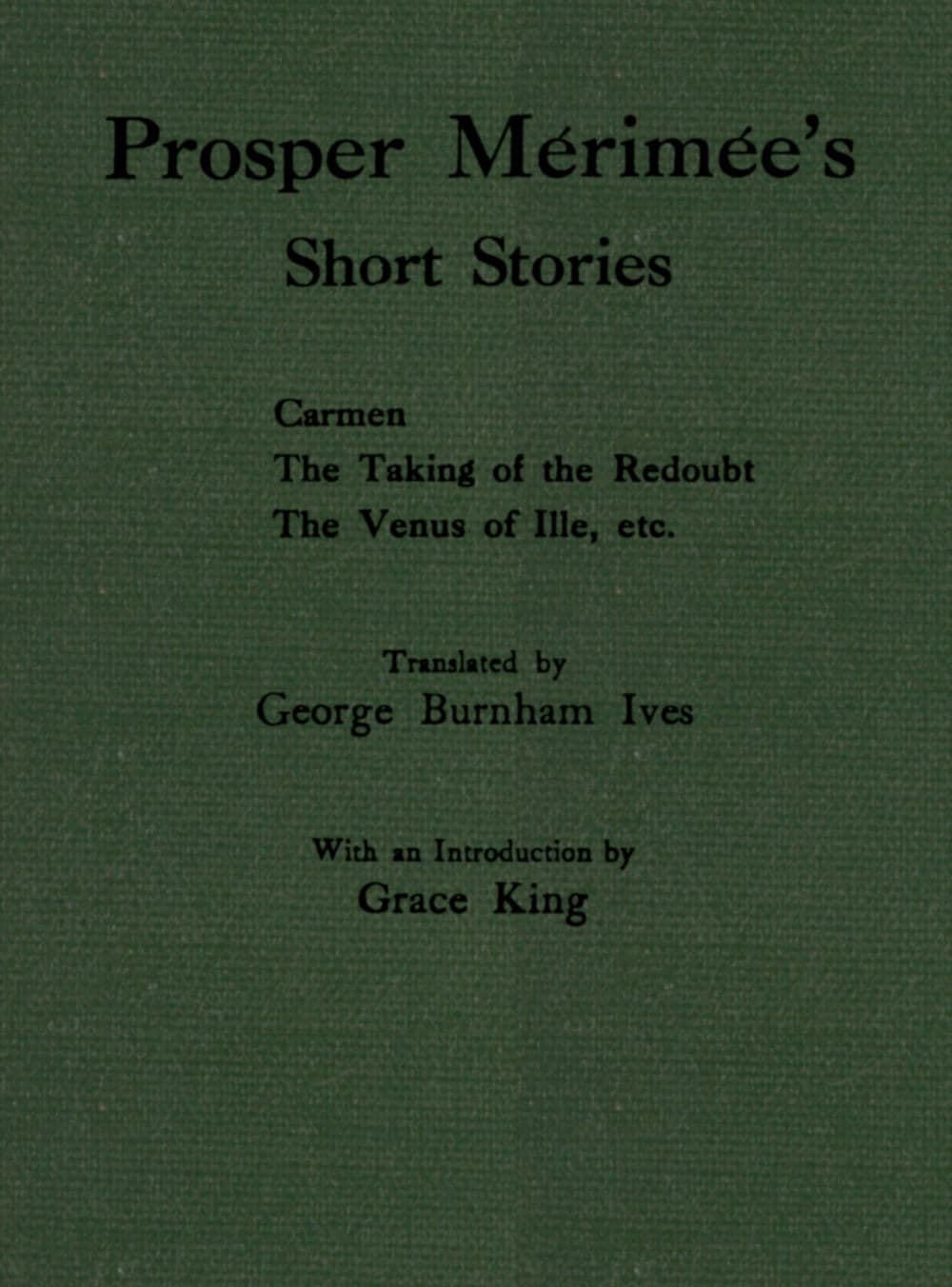
What makes this collection remarkable is its central paradox: a correspondence between two people in which the recipient remains forever unnamed, and somehow that unknowing becomes the entire point. The narrator writes to an Unknown from 19th-century Paris with wit, skepticism, and a restrained passion that simmers beneath sophisticated philosophical observations. He describes climbing the Notre Dame roof at night, comments on ballet dancers, reflects on social conventions, and gradually reveals a complex inner life torn between emotional fervor and intellectual irony. The letters trace an intimate dance of attraction conducted entirely through language, where meaning lives in what is withheld as much as what is spoken. Mérimée, the favorite storyteller of Napoleon III's court, crafted here something far more personal than his famous tales: a meditation on longing, on the ideal we construct from absence, on how the imagination can transform a stranger into everything. The best gift of life, he writes, is the idea it gives of something not in life itself. These letters are that gift, preserved.
Editions
X-Ray
“Verrete perché io vi sto aspettando»; "Vi potrò vedere o no? That is the question: per conto mio, so bene come risolverla; ma siete voi a non volervi decidere. Ondeggiate, come ondeggerete tutta la vita, fra il vostro carattere di civetta e le abitudini di convento; tutto il male viene da lì".””
— Prosper Mérimée
Link to this book
Add a free, dofollow link to Lex on your blog, forum, syllabus, or reading list.

<a href="https://lex-books.com/book/letters-to-an-unknown-065be5af-36aa-474d-a4dd-9f7072b60e00"><img src="https://lex-books.com/badges/read-on-lex.svg" alt="Read Letters to an Unknown by Prosper Mérimée free on Lex" width="160" height="40"></a>[](https://lex-books.com/book/letters-to-an-unknown-065be5af-36aa-474d-a4dd-9f7072b60e00)[url=https://lex-books.com/book/letters-to-an-unknown-065be5af-36aa-474d-a4dd-9f7072b60e00][img]https://lex-books.com/badges/read-on-lex.svg[/img][/url]Read Letters to an Unknown by Prosper Mérimée free on Lex: https://lex-books.com/book/letters-to-an-unknown-065be5af-36aa-474d-a4dd-9f7072b60e00Cite this book
Reading this edition for a paper or guide? Copy a citation.
Mérimée, Prosper. Letters to an Unknown. Lex, lex-books.com/book/letters-to-an-unknown-065be5af-36aa-474d-a4dd-9f7072b60e00.Mérimée, P. (n.d.). Letters to an Unknown. Lex. https://lex-books.com/book/letters-to-an-unknown-065be5af-36aa-474d-a4dd-9f7072b60e00Mérimée, Prosper. Letters to an Unknown. Lex. https://lex-books.com/book/letters-to-an-unknown-065be5af-36aa-474d-a4dd-9f7072b60e00.