The Unknown Masterpiece: 1845
A young painter visits the studio of the legendary Frenhofer, hoping to learn from a master. What he finds there is a man who has spent a decade on a single canvas, a portrait of a woman so perfect it exists only in his imagination. When Frenhofer finally unveils his creation to the horrified eyes of his guests, they see only a chaotic mess of colors and brushstrokes. To him, it is the face of God. To them, it is madness. This is the cruel joke Balzac plays on the history of art: the masterpiece may be real, but only to the one insane enough to have imagined it. The novella traces the collision between youthful ambition and destructive genius, between the artist's inner vision and the crude reality of what appears on canvas. Frenhofer's tragedy is not that he failed, but that he succeeded too completely in creating a world no one else can enter. More than a century and a half later, the story still haunts every artist who has ever stared at a blank canvas and wondered whether they are chasing perfection or hallucinating it.
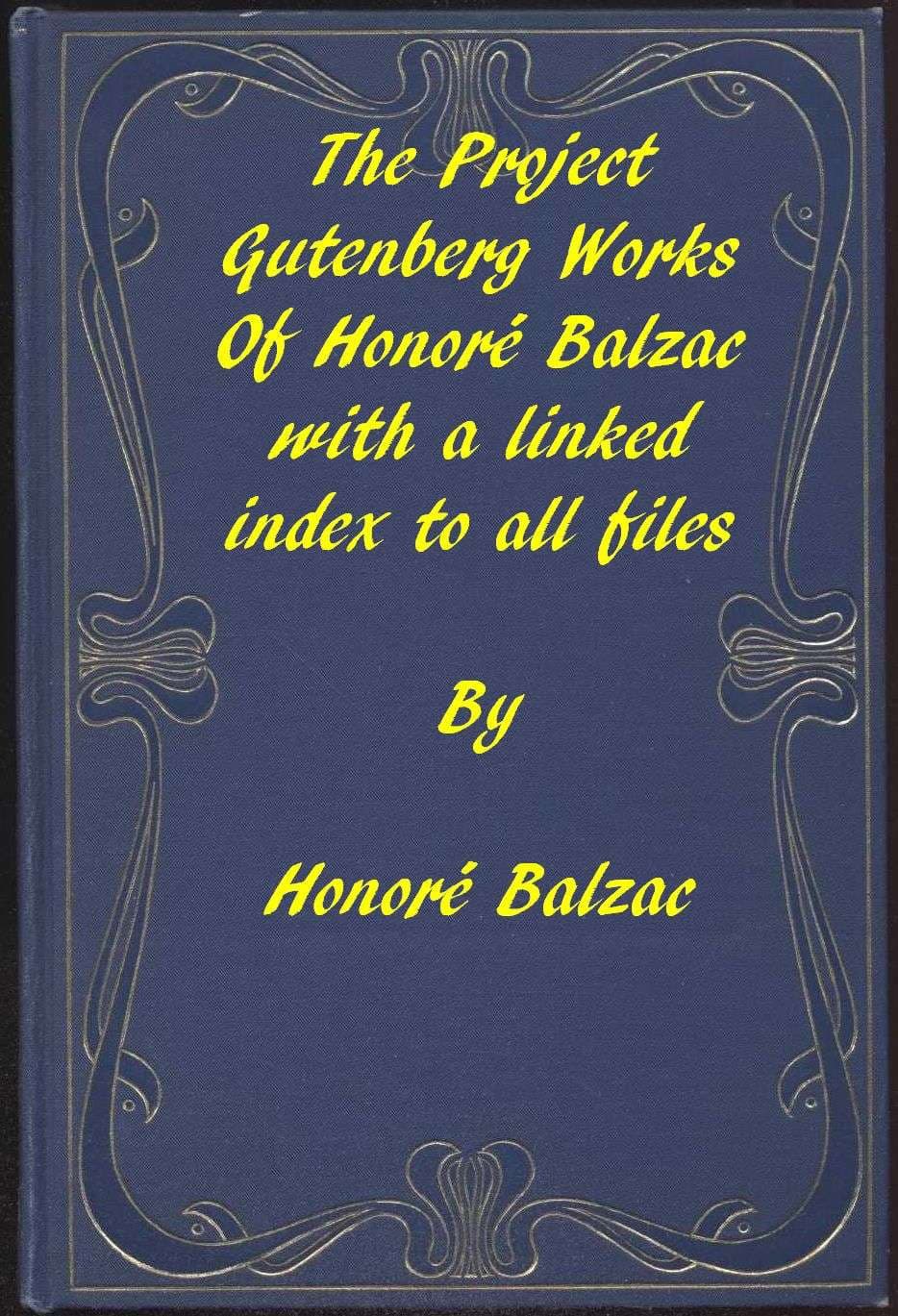
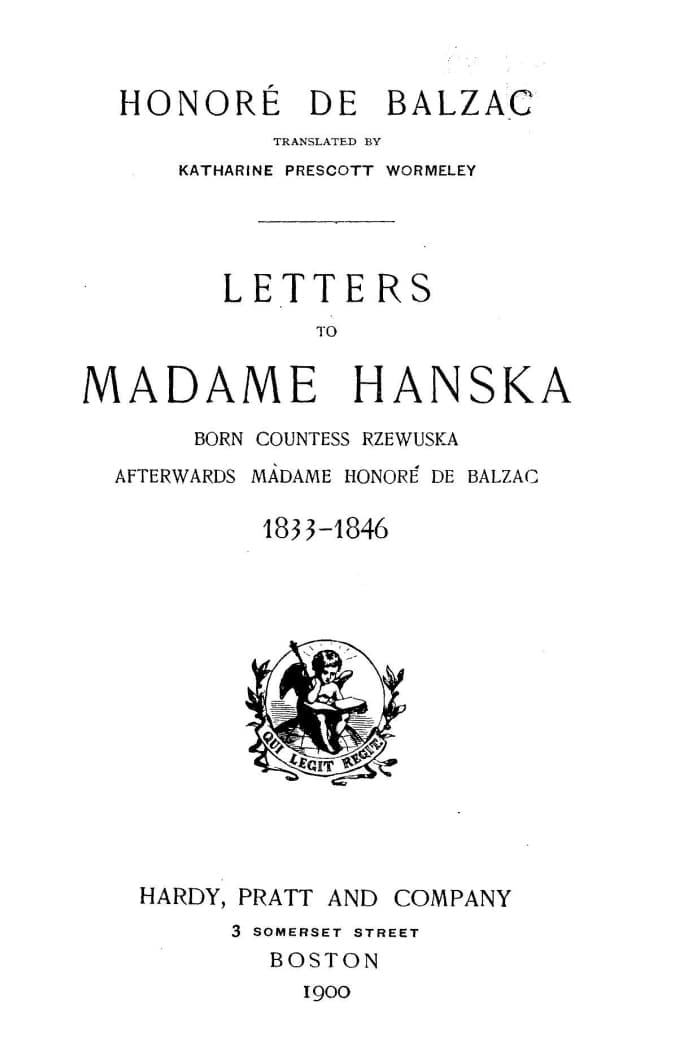
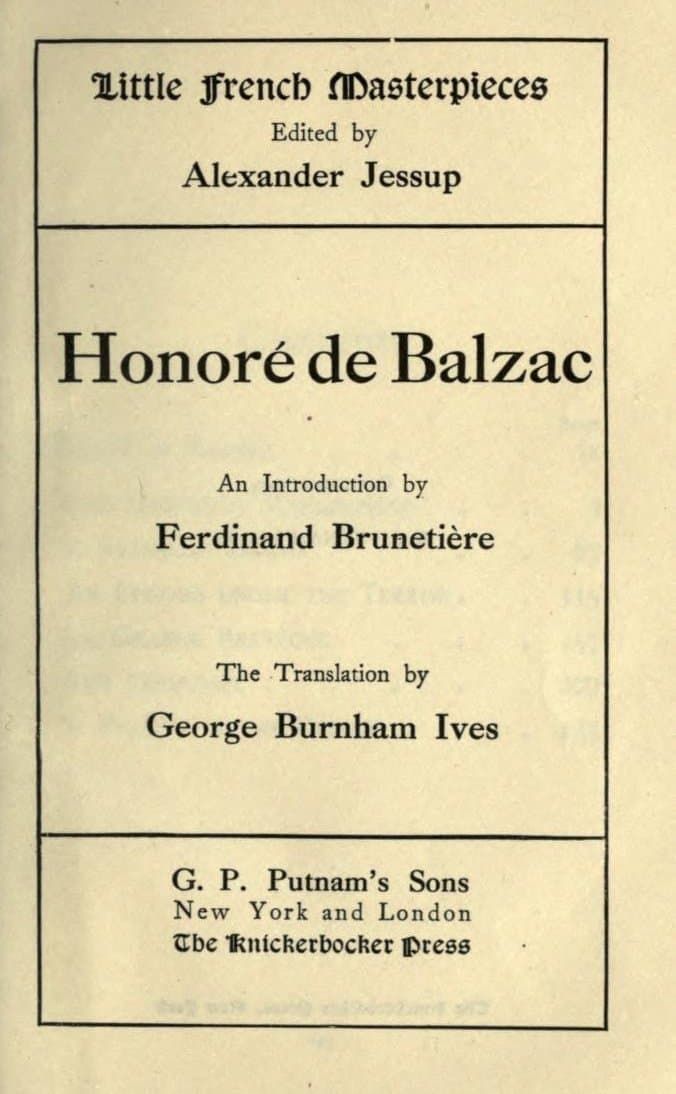
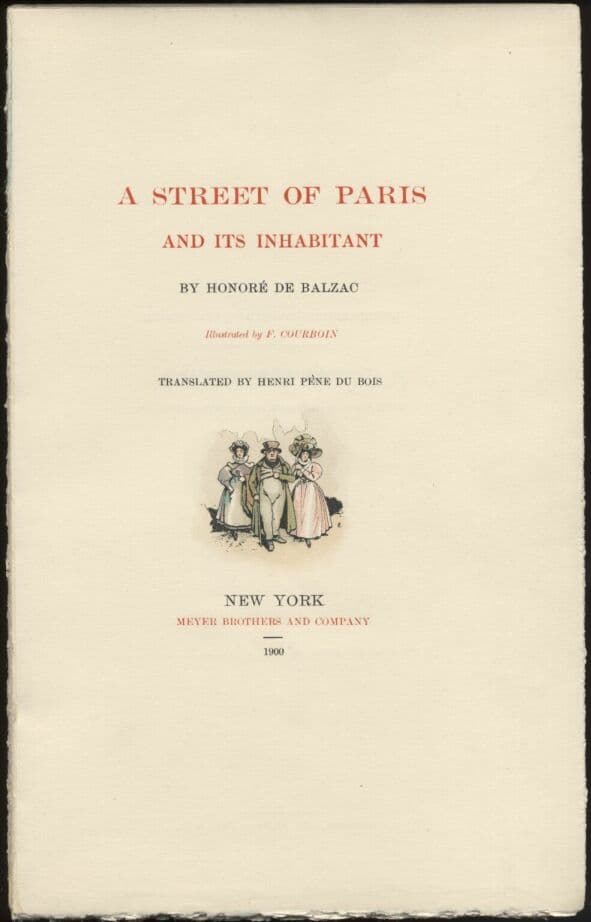
Editions
X-Ray
“Young man,' Porbus said, seeing Poussin stare open-mouthed at a picture, 'Don't look at the canvas too long, it will drive you to despair.””
— Honoré de Balzac
“A line is a method of expressing the effect of light upon an object; but there are no lines in Nature, everything is solid. We draw by modeling, that is to say, that we disengage an object from its setting; the distribution of the light alone gives to a body the appearance by which we know it.””
— Honoré de Balzac
“[Raphael's] great superiority is due to the instinctive sense which, in him, seems to desire to shatter form. Form is, in his figures, what it is in ourselves, an interpreter for the communication of ideas and sensations, an exhaustless source of poetic inspiration. Every figure is a world in itself, a portrait of which the original appeared in a sublime vision, in a flood of light, pointed to by an inward voice, laid bare by a divine finger which showed what the sources of expression had been in the whole past life of the subject.””
— Honoré de Balzac
“You have wavered uncertainly between two systems, between drawing and coloring, between the painstaking phlegm, the stiff precision, of the old German masters, and the dazzling ardor, the happy fertility, of the Italian painters.””
— Honoré de Balzac
“Ah! love is a mystery; it can only live hidden in the depths of the heart. You say, even to your friend, ‘Behold her whom I love,’ and there is an end of love.””
— Honoré de Balzac
“But, after all, too much knowledge, like ignorance, brings you to a negation.””
— Honoré de Balzac
“However," he continued, "this canvas is preferable to the paintings of that varlet Rubens, with his mountains of Flemish flesh sprinkled with vermilion, his waves of red hair and his medley of colors.””
— Honoré de Balzac
“Self-distrust vanishes as triumph succeeds to triumph, and modesty is, perhaps, distrust of itself.””
— Honoré de Balzac
“if reason and poesy persist in wrangling with the tools, the brushes, we shall be brought to doubt, like Frenhofer, who is as much excited in brain as he is exalted in art. A sublime painter, indeed; but he had the misfortune to be born rich, and that enables him to stray into theory and conjecture. Do not imitate him. Work! work! painters should theorize with their brushes in their hands.””
— Honoré de Balzac
Link to this book
Add a free, dofollow link to Lex on your blog, forum, syllabus, or reading list.

<a href="https://lex-books.com/book/the-unknown-masterpiece-1845-c33ff257-39f3-4d0e-8e8c-f832ad89815f"><img src="https://lex-books.com/badges/read-on-lex.svg" alt="Read The Unknown Masterpiece: 1845 by Honoré de Balzac free on Lex" width="160" height="40"></a>[](https://lex-books.com/book/the-unknown-masterpiece-1845-c33ff257-39f3-4d0e-8e8c-f832ad89815f)[url=https://lex-books.com/book/the-unknown-masterpiece-1845-c33ff257-39f3-4d0e-8e8c-f832ad89815f][img]https://lex-books.com/badges/read-on-lex.svg[/img][/url]Read The Unknown Masterpiece: 1845 by Honoré de Balzac free on Lex: https://lex-books.com/book/the-unknown-masterpiece-1845-c33ff257-39f3-4d0e-8e8c-f832ad89815fCite this book
Reading this edition for a paper or guide? Copy a citation.
Balzac, Honoré de. The Unknown Masterpiece: 1845. Lex, lex-books.com/book/the-unknown-masterpiece-1845-c33ff257-39f3-4d0e-8e8c-f832ad89815f.Balzac, H. D. (n.d.). The Unknown Masterpiece: 1845. Lex. https://lex-books.com/book/the-unknown-masterpiece-1845-c33ff257-39f3-4d0e-8e8c-f832ad89815fBalzac, Honoré de. The Unknown Masterpiece: 1845. Lex. https://lex-books.com/book/the-unknown-masterpiece-1845-c33ff257-39f3-4d0e-8e8c-f832ad89815f.