The Human Comedy: Introductions and Appendix
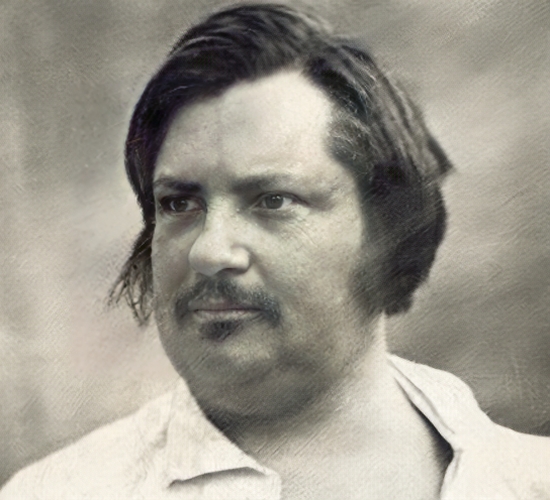
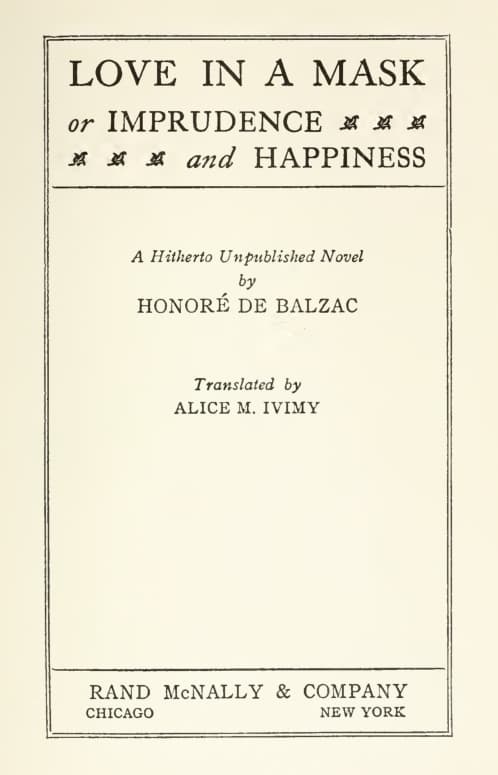
Balzac attempted what no novelist had ever dared: to capture an entire society in prose, to build a world where characters move between novels like ghosts in a living city, each carrying their ambitions, debts, and secrets into new encounters. The Human Comedy is not a single book but an entire literary universe, roughly ninety-one works threading through the Napoleonic era into the July Monarchy, depicting aristocrats, bankers, courtesans, peasants, soldiers, and thieves with equal ruthless precision. What makes this monument matter is not merely its scale but its vision: Balzac saw society as a machine where talent means nothing without money, where reputation collapses at a whisper, and where every character is both player and pawn. The novel Lost Illusions, featured here, follows the poet Lucien Chardon from provincial obscurity to Paris, where he discovers that the glamorous beau monde runs on intrigue and unscrupulosity, not merit. This is social realism before the term existed, a world where human folly and ambition collide with devastating clarity. For readers who want to understand how the novel became the supreme form of social observation, where character psychology and systemic corruption intertwine, this is the originating work.
Editions
X-Ray
“Where poverty ceases, avarice begins.””
— Honoré de Balzac
“Conscience, my dear, is a kind of stick that everyone picks up to thrash his neighbor with, but one he never uses against himself.””
— Honoré de Balzac
“For avarice begins where poverty ends.””
— Honoré de Balzac
“Înclinarea spre lene - desfrâul sufletelor poetice.””
— Honoré de Balzac
“Whoever wishes to rise above the common level must be prepared for a great struggle and recoil before no obstacle. A great writer is just simply a martyr whom the stake cannot kill.””
— Honoré de Balzac
“Suferinţa sfinţeşte totul.””
— Honoré de Balzac
“Una de las desgracias a las que se ven sometidas las grandes inteligencias es la de comprender por fuerza todas las cosas, tanto los vicios como las virtudes.””
— Honoré de Balzac
“La avaricia, como el amor, posee el don de la visión de los acontecimientos futuros, que presiente y adivina.””
— Honoré de Balzac
“Unele fiinţe sunt ca nişte zerouri, le trebuie o cifră înainte, şi numai atunci nimicnicia lor dobândeşte o valoare nebănuită. Eu nu pot dobândi valoare decât printr-o alianţă cu o voinţă puternică, neînduplecată.””
— Honoré de Balzac
Link to this book
Add a free, dofollow link to Lex on your blog, forum, syllabus, or reading list.

<a href="https://lex-books.com/book/the-human-comedy-introductions-and-appendix-a7018c88-8df1-475e-b890-5804c344d839"><img src="https://lex-books.com/badges/read-on-lex.svg" alt="Read The Human Comedy: Introductions and Appendix by Honoré de Balzac free on Lex" width="160" height="40"></a>[](https://lex-books.com/book/the-human-comedy-introductions-and-appendix-a7018c88-8df1-475e-b890-5804c344d839)[url=https://lex-books.com/book/the-human-comedy-introductions-and-appendix-a7018c88-8df1-475e-b890-5804c344d839][img]https://lex-books.com/badges/read-on-lex.svg[/img][/url]Read The Human Comedy: Introductions and Appendix by Honoré de Balzac free on Lex: https://lex-books.com/book/the-human-comedy-introductions-and-appendix-a7018c88-8df1-475e-b890-5804c344d839Cite this book
Reading this edition for a paper or guide? Copy a citation.
Balzac, Honoré de. The Human Comedy: Introductions and Appendix. Lex, lex-books.com/book/the-human-comedy-introductions-and-appendix-a7018c88-8df1-475e-b890-5804c344d839.Balzac, H. D. (n.d.). The Human Comedy: Introductions and Appendix. Lex. https://lex-books.com/book/the-human-comedy-introductions-and-appendix-a7018c88-8df1-475e-b890-5804c344d839Balzac, Honoré de. The Human Comedy: Introductions and Appendix. Lex. https://lex-books.com/book/the-human-comedy-introductions-and-appendix-a7018c88-8df1-475e-b890-5804c344d839.