The Physiology of Marriage, Complete
1829
In 1829, a young Balzac did something no serious writer had done before: he applied the methods of natural science to the most intimate of human institutions. The result is a forensic, often hilarious examination of marriage as a strategic enterprise, where love is a resource to be managed, fidelity is a tactical problem, and spouses are players on a chessboard of social advantage. Balzac catalogs the economics of seduction, the weaponry of jealousy, the mathematics of infidelity with the precision of a surgeon and the wit of a satirist. He proposes that choosing a wife should be treated as carefully as negotiating a treaty, and offers, with deadpan seriousness, methods for preventing adultery. Yet for all its apparent cynicism, the book surprises: it is remarkably evenhanded in its rough treatment of both men and women, and was reportedly written with two female collaborators. Its attack on the stale institution of marriage made it most popular with women readers, not the men it ostensibly addressed. Nearly two centuries later, Balzac's cold-eyed analysis of how passion collides with property remains as uncomfortably relevant as it was scandalous.
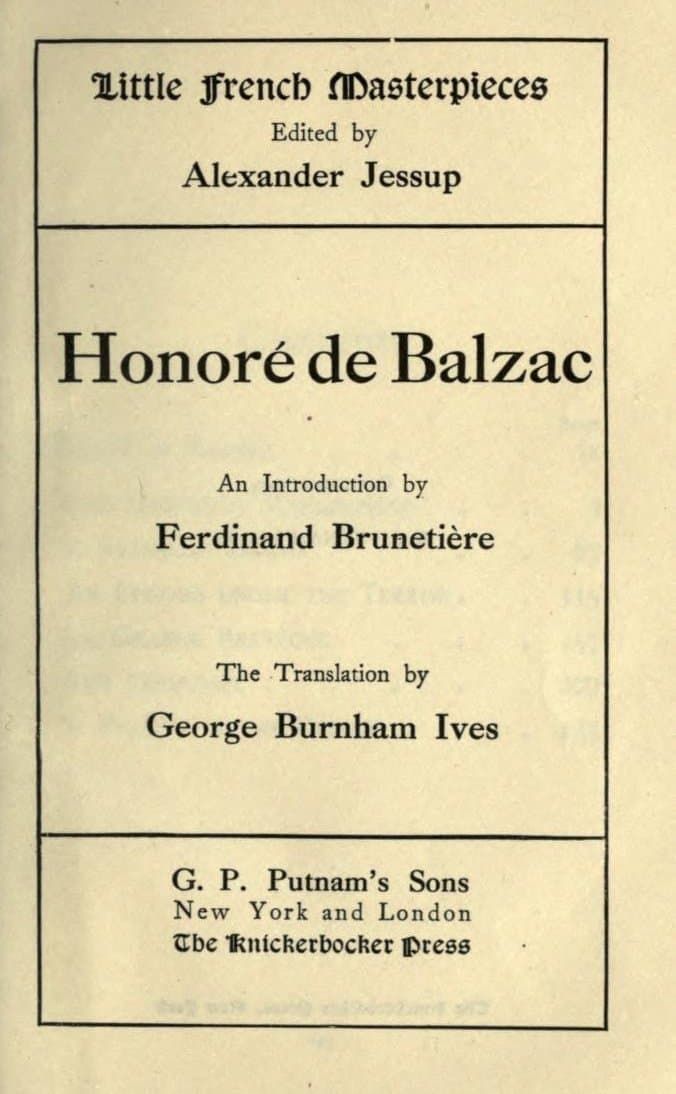
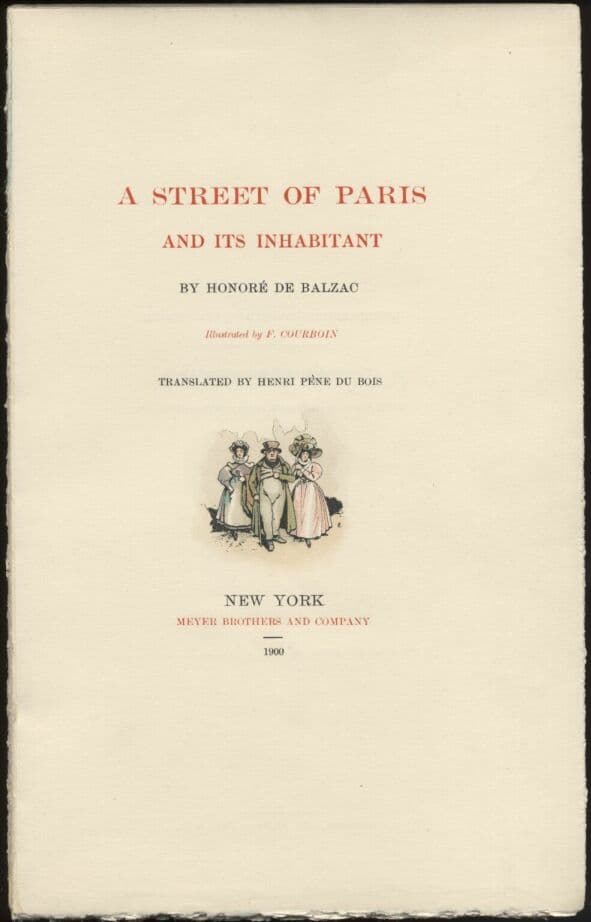
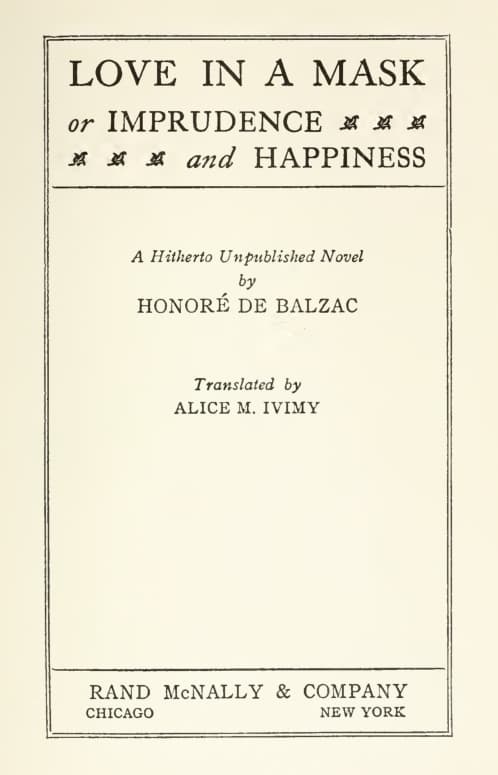
Editions
X-Ray
“The more one judges, the less one loves.””
— Honoré de Balzac
“A husband and wife found themselves in love with each other for the first time after twenty-seven years of marriage.””
— Honoré de Balzac
“Marriage is a fight to the death, before which the wedded couple ask a blessing from heaven, because it is the rashest of all undertakings to swear eternal love; the fight at once commences and victory, that is to say liberty, remains in the hands of the cleverer of the two.””
— Honoré de Balzac
Link to this book
Add a free, dofollow link to Lex on your blog, forum, syllabus, or reading list.

<a href="https://lex-books.com/book/the-physiology-of-marriage-complete-a61df7d1-4759-4f17-b394-2a049f2aa94f"><img src="https://lex-books.com/badges/read-on-lex.svg" alt="Read The Physiology of Marriage, Complete by Honoré de Balzac free on Lex" width="160" height="40"></a>[](https://lex-books.com/book/the-physiology-of-marriage-complete-a61df7d1-4759-4f17-b394-2a049f2aa94f)[url=https://lex-books.com/book/the-physiology-of-marriage-complete-a61df7d1-4759-4f17-b394-2a049f2aa94f][img]https://lex-books.com/badges/read-on-lex.svg[/img][/url]Read The Physiology of Marriage, Complete by Honoré de Balzac free on Lex: https://lex-books.com/book/the-physiology-of-marriage-complete-a61df7d1-4759-4f17-b394-2a049f2aa94fCite this book
Reading this edition for a paper or guide? Copy a citation.
Balzac, Honoré de. The Physiology of Marriage, Complete. Lex, lex-books.com/book/the-physiology-of-marriage-complete-a61df7d1-4759-4f17-b394-2a049f2aa94f.Balzac, H. D. (1829). The Physiology of Marriage, Complete. Lex. https://lex-books.com/book/the-physiology-of-marriage-complete-a61df7d1-4759-4f17-b394-2a049f2aa94fBalzac, Honoré de. The Physiology of Marriage, Complete. Lex. https://lex-books.com/book/the-physiology-of-marriage-complete-a61df7d1-4759-4f17-b394-2a049f2aa94f.